
Introduction
Vietnam, a country located in Southeast Asia, is renowned for its vibrant culture, rich history, and fast-growing economy. With its diverse landscapes ranging from lush mountains to beautiful coastlines, Vietnam has become not only a popular travel destination but also an emerging market in the global economy. Understanding Vietnam’s current socio-economic landscape is crucial as it continues to draw international attention for its potential growth and cultural significance.
Vietnam’s Cultural Heritage
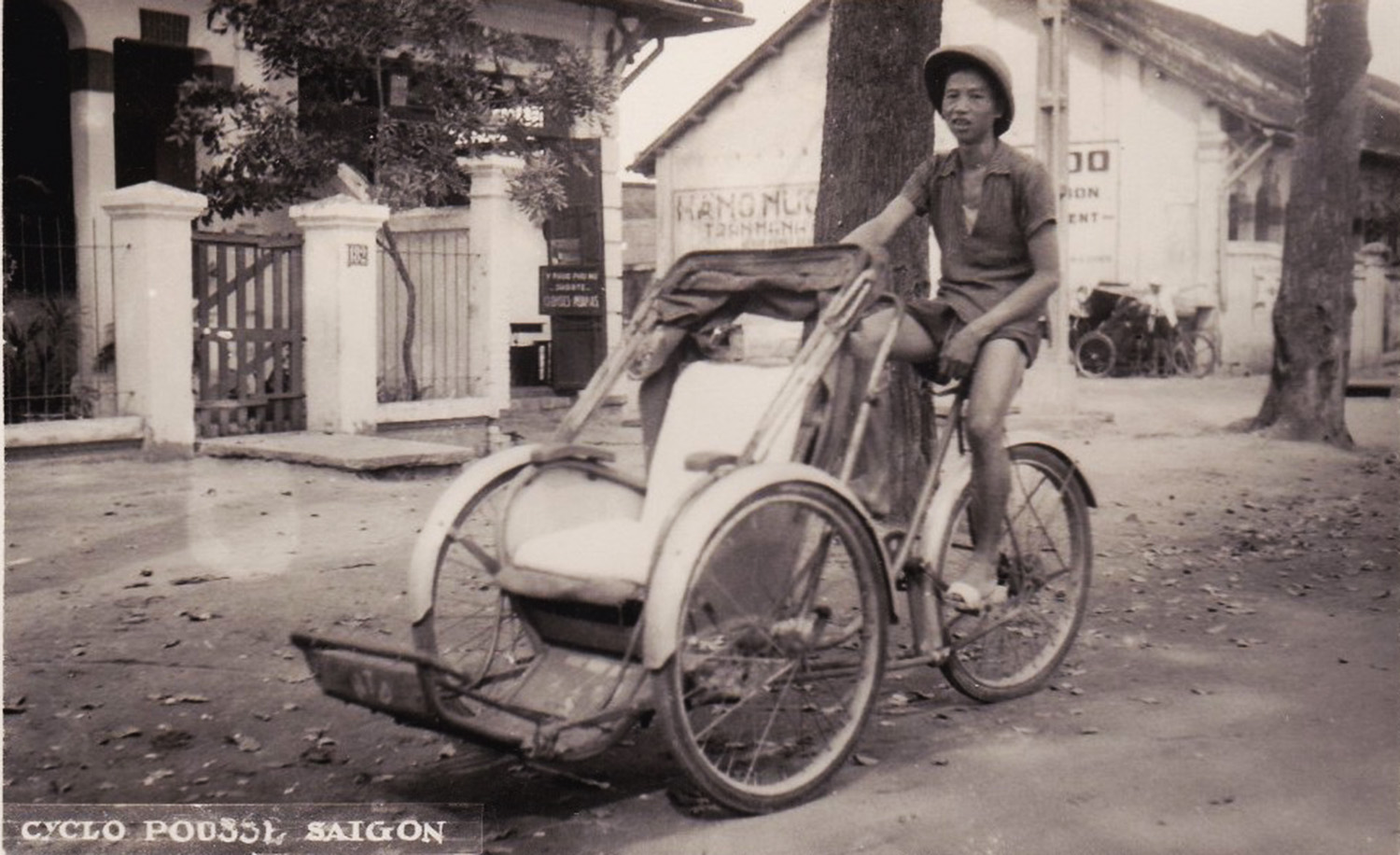
The cultural heritage of Vietnam is a blend of indigenous traditions and foreign influences due to its historical connections with countries like China and France. The country’s cultural traits are reflected in its cuisine, architecture, traditional festivals, and religious practices. The famous Vietnamese cuisine, characterized by its use of fresh herbs and vibrant flavors, has gained international acclaim. Dishes like Pho and Banh Mi have become popular worldwide, showcasing the country’s culinary depth.
Economic Growth and Opportunities
Over the past few decades, Vietnam has transitioned from a centrally planned economy to a socialist-oriented market economy. As of 2023, Vietnam’s GDP growth rate was projected at about 6.5%, making it one of the fastest-growing economies in Asia. The country is attracting foreign investment across various sectors, including technology, manufacturing, and tourism. In particular, the government’s efforts to improve infrastructure and promote trade agreements, like the Regional Comprehensive Economic Partnership (RCEP), have positioned Vietnam as a key player in the global supply chain.
Additionally, the rise of e-commerce in Vietnam is noteworthy. The online retail market is expanding rapidly, driven by the increasing internet penetration and smartphone usage among the population. Reports indicate that this digital transformation presents significant business opportunities for local and international entrepreneurs.
Challenges Ahead
Despite its growth, Vietnam faces challenges that need addressing to sustain its economic momentum. Issues such as environmental degradation, urbanization pressures, and the need for more skilled labor are prominent concerns. The government is aware of these challenges and is taking steps to implement sustainable practices and improve education and workforce training to meet future demands.
Conclusion
Vietnam stands at a crossroads of tradition and modernity, making it a compelling subject for those interested in cultural exploration and economic development. As it continues to evolve and adapt to global trends, the opportunities for investment and tourism in Vietnam are likely to flourish. For readers, understanding Vietnam’s unique blend of rich culture and robust economic potential can provide valuable perspectives, whether for travel, business, or personal interest.