
Introduction
In today’s digital landscape, organizations face an ever-increasing number of cyber threats ranging from data breaches to ransomware attacks. The importance of incident response plans cannot be overstated, as they serve as a critical framework for reducing damage, ensuring swift recovery, and enhancing overall security posture. In a world where a single incident can have devastating financial and reputational impacts, businesses, government agencies, and non-profits must prioritize the development and implementation of effective incident response strategies.
What is an Incident Response Plan?
An incident response plan (IRP) is a documented strategy that outlines an organization’s approach to identifying, managing, and recovering from cybersecurity incidents. A well-structured IRP encompasses preparation, detection and analysis, containment, eradication, recovery, and post-incident review. Its aim is to enable organizations to respond swiftly and effectively to incidents, minimizing the potential impact and restoring normal operations.
Recent Events Highlighting the Need for IRPs
The escalating frequency of cyberattacks emphasizes the need for organizations to have robust incident response plans. Notable incidents such as the Colonial Pipeline ransomware attack in 2021 and the SolarWinds breach have underscored the vulnerabilities that many organizations face and the necessity for a coordinated response. Following these events, industries have invested heavily in refining their IRPs to address gaps and ensure a more resilient posture against future attacks.
Components of an Effective Incident Response Plan
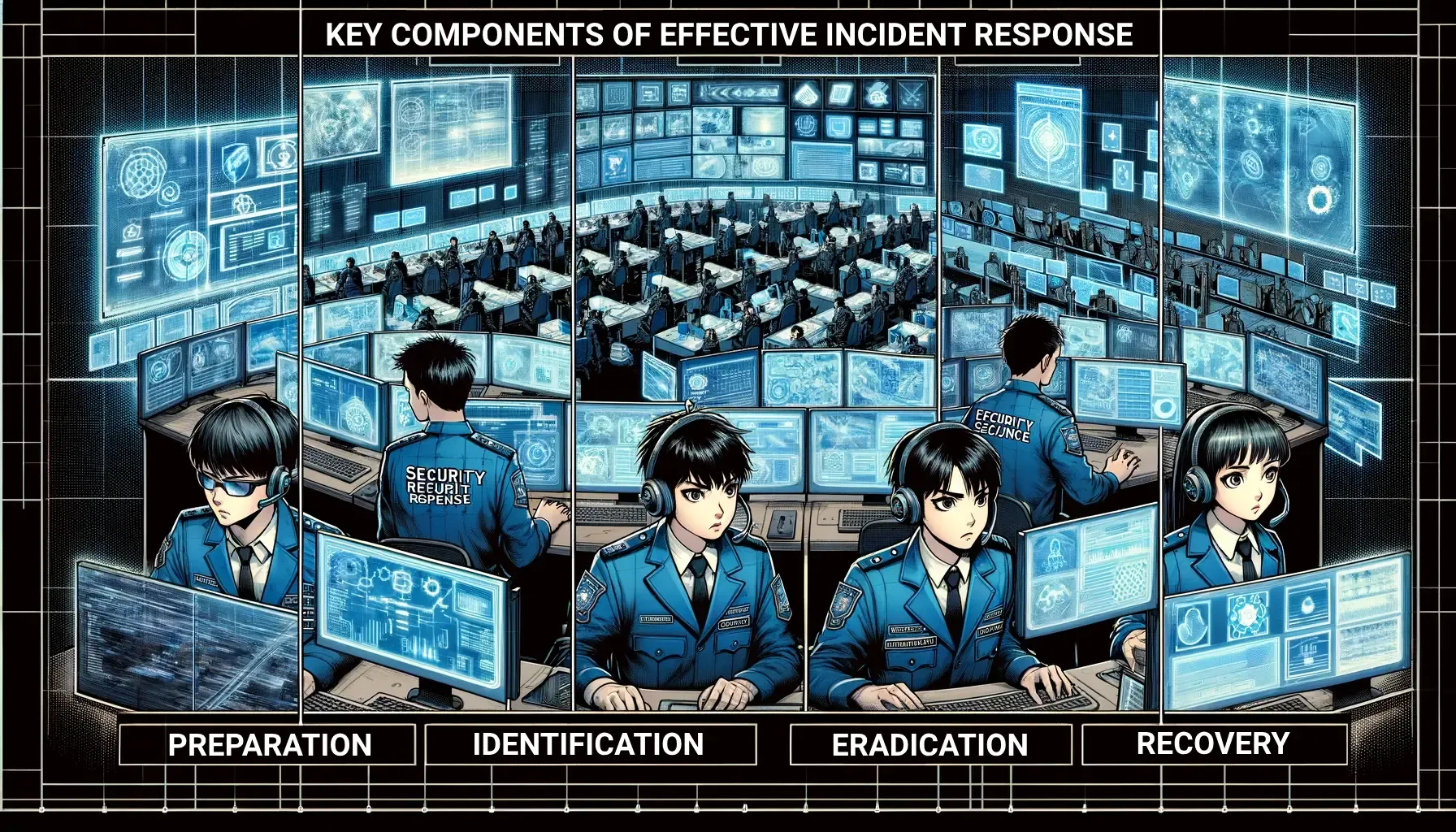
A comprehensive incident response plan should include the following components:
- Preparation: Establishing a dedicated incident response team and providing necessary training.
- Identification: Developing protocols for detecting and reporting incidents swiftly.
- Containment: Creating strategies to limit damage during an ongoing incident.
- Eradication: Ensuring any threat actor or malware is completely removed from systems.
- Recovery: Initiating processes to restore normal operations and securing systems against future incidents.
- Post-Incident Review: Analyzing the incident to understand its causes and improve future response efforts.
Conclusion
As cyber threats continue to evolve, the significance of incident response plans becomes increasingly apparent. Organizations that proactively develop and maintain effective IRPs will not only mitigate risks but will also foster trust among clients and stakeholders. With well-prepared teams and clearly defined plans, businesses can maintain operational continuity and resilience in the face of evolving cyber challenges. Looking ahead, it will be crucial for organizations to adapt their incident response strategies regularly to keep pace with the dynamic threat landscape.