
Introduction to Phishing
Phishing is a form of cybercrime that involves attempts to deceive individuals into providing sensitive information, such as personal identification numbers, credit card details, or login credentials. As technology continues to advance, so too do the tactics employed by cybercriminals. In recent years, phishing has become one of the most common and dangerous methods used to compromise information security. Understanding what phishing is and how to recognize its signs is crucial in protecting ourselves and our digital assets.
The Mechanics of Phishing
Phishing scams often manifest through emails, social media messages, or texts that appear to be coming from legitimate organizations or contacts. These messages may contain links to fraudulent websites that closely resemble authentic sites, tricking users into entering their personal information. According to the Anti-Phishing Working Group (APWG), reports of phishing attacks increased by over 50% in 2022 alone, highlighting the growing prevalence of this threat in our digital lives.
Types of Phishing
1. **Email Phishing:** The most common form, where attackers send fake emails designed to look like they are from reliable sources.
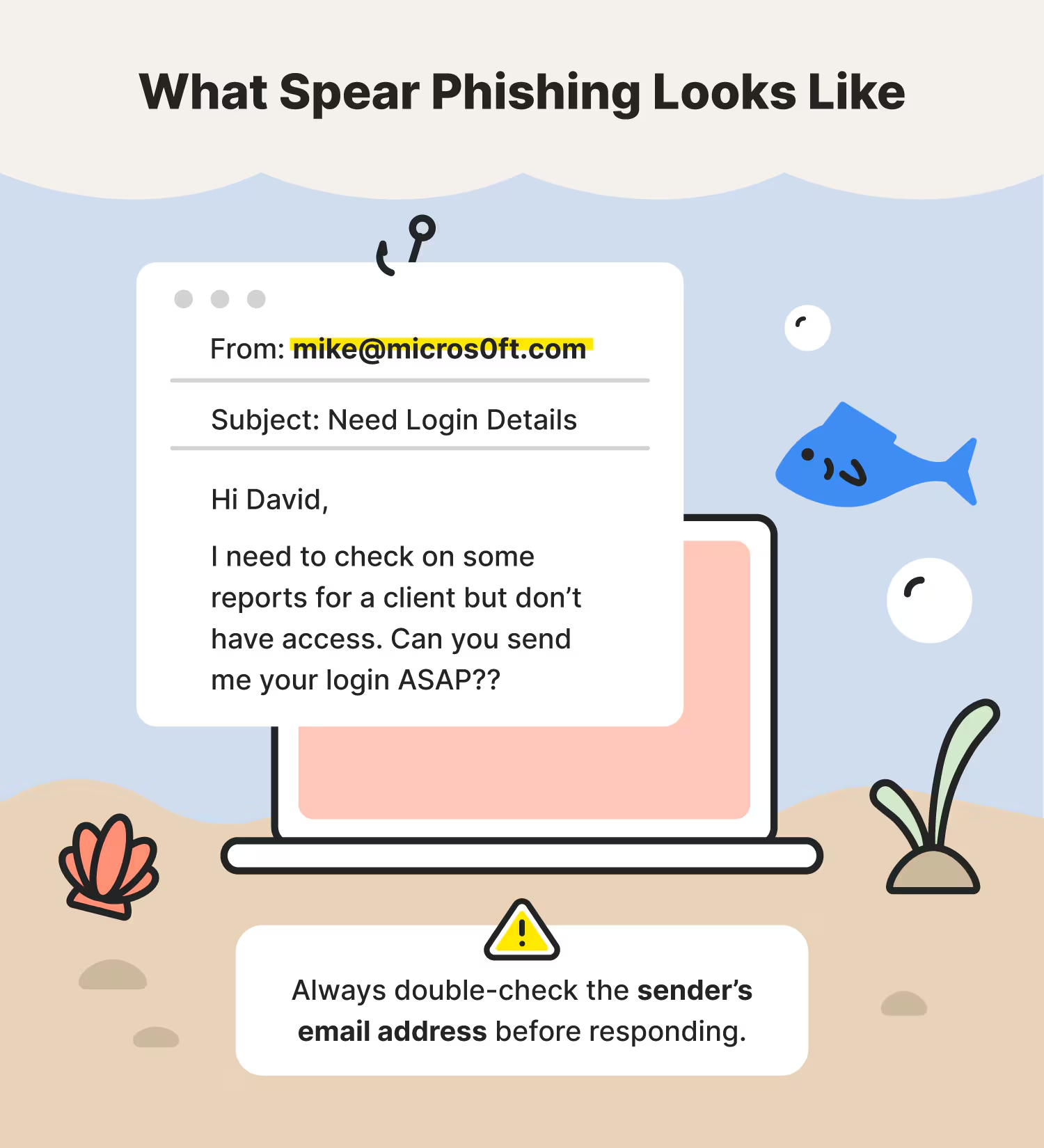
2. **Spear Phishing:** Targeted phishing aimed at specific individuals or organizations, often using personal details to enhance credibility.
3. **Whaling:** A type of phishing that targets senior executives and high-profile individuals in an organization.
4. **Smishing and Vishing:** Phishing attempts conducted through SMS and voice calls, respectively.
Staying Safe from Phishing
To protect yourself from phishing attacks, it is essential to adopt a set of best practices. First, be wary of unsolicited communications requesting personal information. Always double-check the email address and web links for any discrepancies. Using two-factor authentication can add an extra layer of security to your accounts, making it harder for attackers to gain access. Additionally, employing security software with real-time phishing detection may provide further protection.
Conclusion
In conclusion, phishing remains a significant threat in the digital age, with cybercriminals continually refining their tactics. Awareness and education about what phishing is, how it operates, and preventative measures are crucial in mitigating these risks. Individuals and organizations alike must stay informed and vigilant to secure their sensitive information effectively. As phishing evolves, so must our strategies for prevention and response to these increasing cyber threats.