
Introduction
The recent boil water advisory issued for Pittsburgh has raised concerns among residents regarding their health and safety. This advisory affects thousands of residents and emphasizes the importance of safe drinking water, a fundamental aspect of public health. As such advisories can stem from water contamination events, understanding the context and implications of this issue is vital for the community.
Details of the Advisory
On October 15, 2023, the Pittsburgh Water and Sewer Authority (PWSA) announced a citywide boil water advisory after a significant water main break in the downtown area. The advisory was prompted by concerns that the pressure drop could allow contaminants to enter the water supply during repairs. As a precaution, residents were advised to boil their tap water for at least one minute before consuming or using it for cooking, ice-making, or oral hygiene.
The PWSA has stated that public safety is their top priority and they are working diligently to restore services and ensure that the water is once again safe for consumption. They have begun extensive testing to confirm the safety of the water supply and expect to provide updates as results come in.
Impact and Community Response
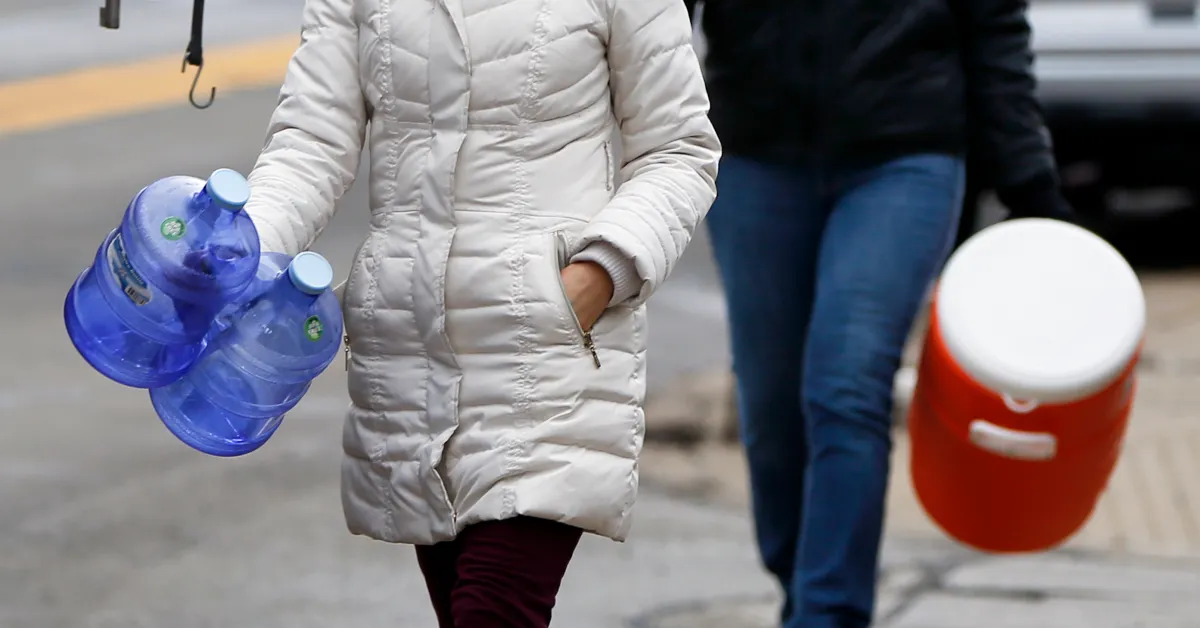
The advisory has immediate implications for the Pittsburgh community. With thousands of residents affected, many took to local grocery stores to stock up on bottled water, leading to shortages in some areas. Local businesses have also experienced an uptick in sales as residents look for alternatives to tap water.
City health officials are urging calm and reminding the public that boiling water effectively kills most organisms that can cause disease, including bacteria, viruses, and parasites. Community outreach efforts are underway, including digital notifications and public service announcements to keep residents informed about the situation.
Conclusion
The boil water advisory in Pittsburgh serves as a reminder of the importance of maintaining a safe water supply and the potential challenges that can arise from infrastructure issues. As the PWSA works to resolve the situation, residents are encouraged to stay updated through official channels and adhere to safety guidelines. The advisory is a significant event in Pittsburgh, highlighting the vulnerability of urban water systems and the proactive measures needed to protect public health.
While forecasts indicate the advisory may be resolved in the coming days once water quality testing confirms its safety, the impact on local businesses and residents’ routines may linger. It emphasizes the ongoing need for infrastructure improvements to ensure safe and reliable access to clean drinking water in the future.