
Introduction
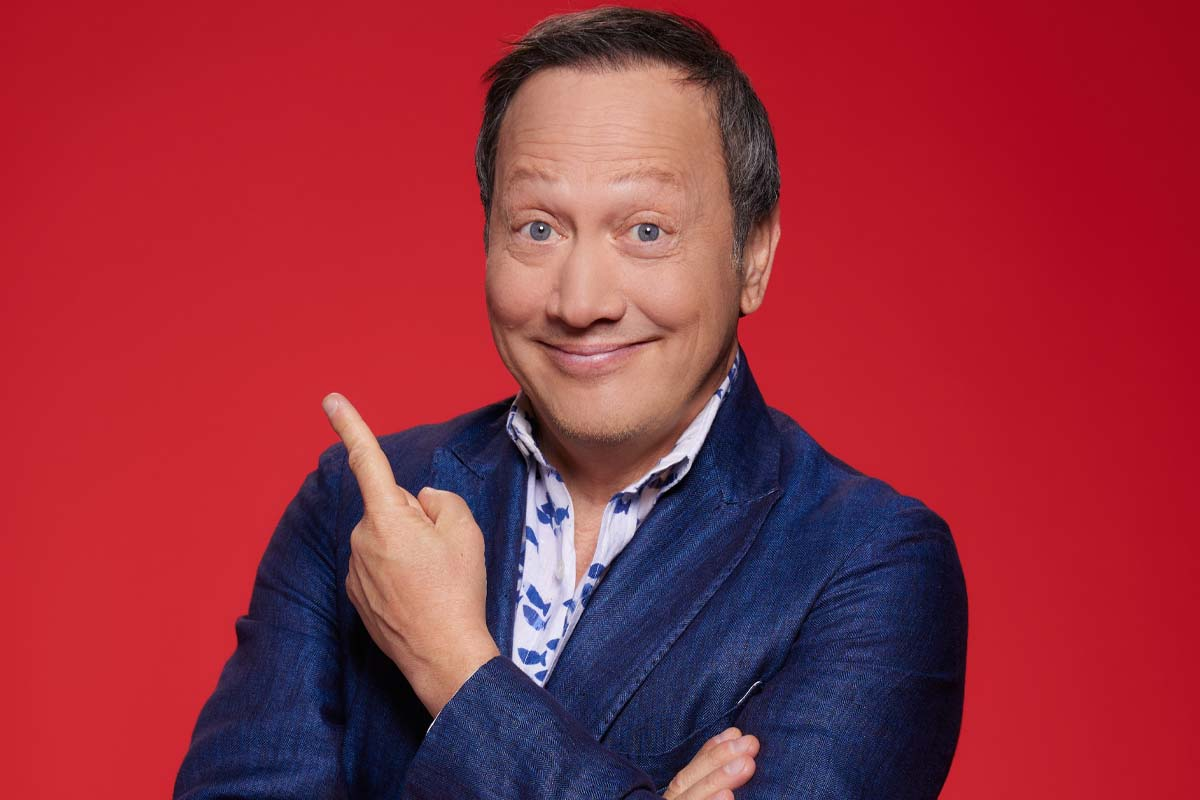
Rob Schneider has established himself as a unique figure in the world of comedy over the past few decades. Known for his distinctive style and memorable characters, Schneider has contributed significantly to the entertainment industry. From his early days on “Saturday Night Live” to his numerous film roles, his career has been marked by both success and controversy. Recently, his outspoken views on various social issues have reignited interest in his work and personal philosophy.
Early Career and Breakthrough
Rob Schneider was born on October 31, 1963, in San Francisco, California. He began his career in comedy while attending college, eventually landing a gig at “Saturday Night Live” in the early 1990s. His unique characters like the Richard Laymer and the Copy Machine Guy quickly made him a fan favorite. Following his tenure at SNL, Schneider transitioned into film acting, appearing in popular comedies such as “Deuce Bigalow: Male Gigolo” and “The Hot Chick.” Schneider’s comedic style often embraces physical comedy and quirky personalities, earning him a dedicated following.
Recent Activities and Controversies
In recent years, Schneider has not only continued to work in comedy but has also become more vocal about his political and social beliefs. He has used his platform to discuss issues ranging from free speech to public health mandates, often attracting criticism and support alike. For instance, his tweets and public statements regarding COVID-19 measures have stirred significant debate, highlighting the divide in public opinion on these topics. His recent tour, dubbed the “I Have Issues” tour, has mixed comedy with commentary, engaging audiences in both laughter and contemplation.
Impact on Comedy and Culture
Schneider’s influence in comedy extends beyond his roles and personal views. He has been a mentor to many young comics and has continued to support rising talent in the industry. His work in films often highlights themes of individuality and unconventional beauty, resonating with audiences who appreciate humor that challenges stereotypes. Moreover, Schneider’s journey reflects broader cultural trends wherein comedians increasingly navigate the intersection of entertainment and advocacy.
Conclusion
Rob Schneider remains a significant figure in the landscape of American comedy, contributing to the genre with his distinctive voice and perspective. As he continues to evolve his career and engage with contemporary issues, audiences can expect more from him in the coming years. Whether one agrees with his viewpoints or not, Schneider generates discussions about art, politics, and society—showing that comedy is not only about laughter but also about reflection and sometimes controversy. His ability to stir conversations will likely keep him relevant in the entertainment industry for years to come.