
Introduction
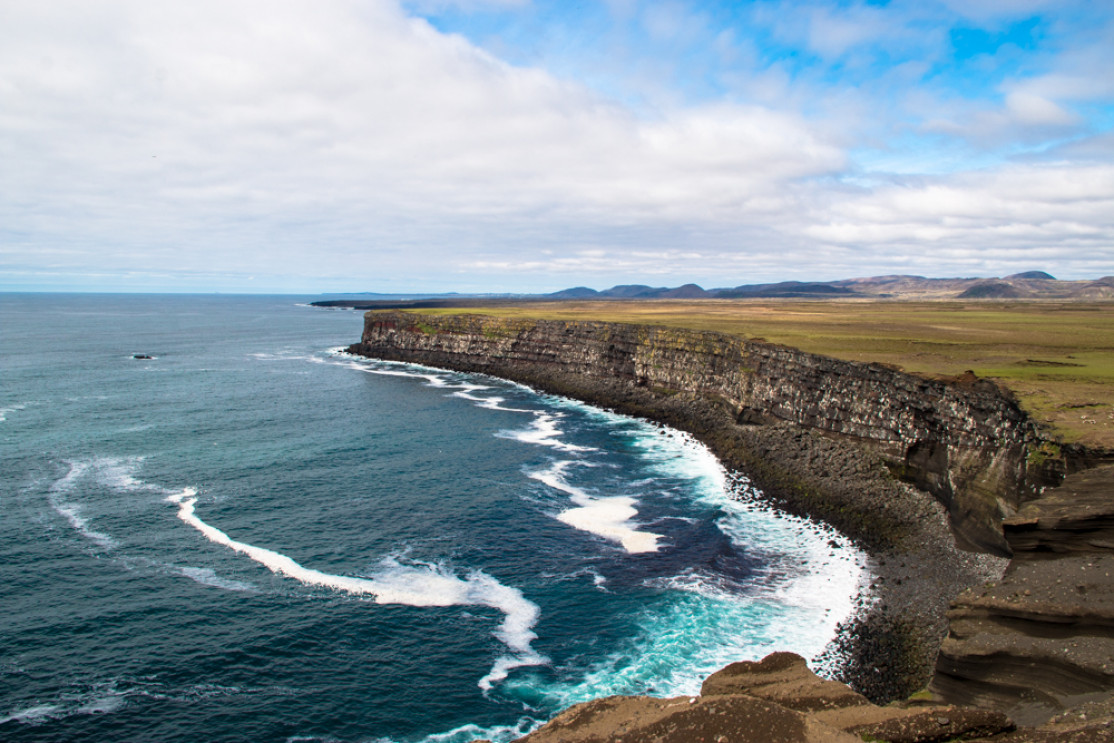
Iceland, known as the Land of Fire and Ice, is a nation characterized by its stunning landscapes and unique geological features. As a destination for adventurers and nature lovers alike, Iceland has witnessed a considerable increase in tourism over the past decade, making it a relevant topic in discussions about travel, environmental conservation, and cultural preservation.
Geography and Natural Features
Situated in the North Atlantic Ocean, Iceland is famous for its dramatic volcanic landscapes, geysers, hot springs, and lava fields. The country is home to numerous natural wonders, including the Vatnajökull National Park, which boasts Europe’s largest glacier. The Golden Circle, a popular tourist route, encapsulates several of Iceland’s most stunning sites, including the Geysir geothermal area, Gullfoss waterfall, and Þingvellir National Park.
Cultural Significance
Iceland has a rich cultural heritage that extends back to the Viking Age. The country’s literature, music, and art reflect its unique history and relationship with nature. Reykjavik, the capital, is a hub for arts and culture, hosting events such as the Reykjavik Arts Festival and Iceland Airwaves music festival. Additionally, the Icelandic Sagas, significant historical narratives, continue to influence modern Icelandic literature and storytelling.
Current Events and Tourism Trends
In recent years, Iceland has become a hotspot for tourists seeking unique experiences such as the Northern Lights and blue lagoons. According to the Icelandic Tourist Board, the country welcomed nearly 2 million visitors in 2022, recovering significantly from the pandemic’s impact. However, the surge in tourism has sparked discussions about sustainable travel practices and the environmental impact of over-tourism. Many local activists and authorities are advocating for responsible tourism initiatives to protect Iceland’s delicate ecosystems.
Conclusion
Iceland represents a unique blend of natural beauty and cultural richness that attracts visitors worldwide. As tourism continues to rise, it is crucial for both travelers and local communities to prioritize sustainable practices to ensure that Iceland’s landscapes and cultural heritage remain intact for future generations. With ongoing initiatives and community engagement, there is hope that this enchanting land will continue to thrive while maintaining its integrity.