
Introduction
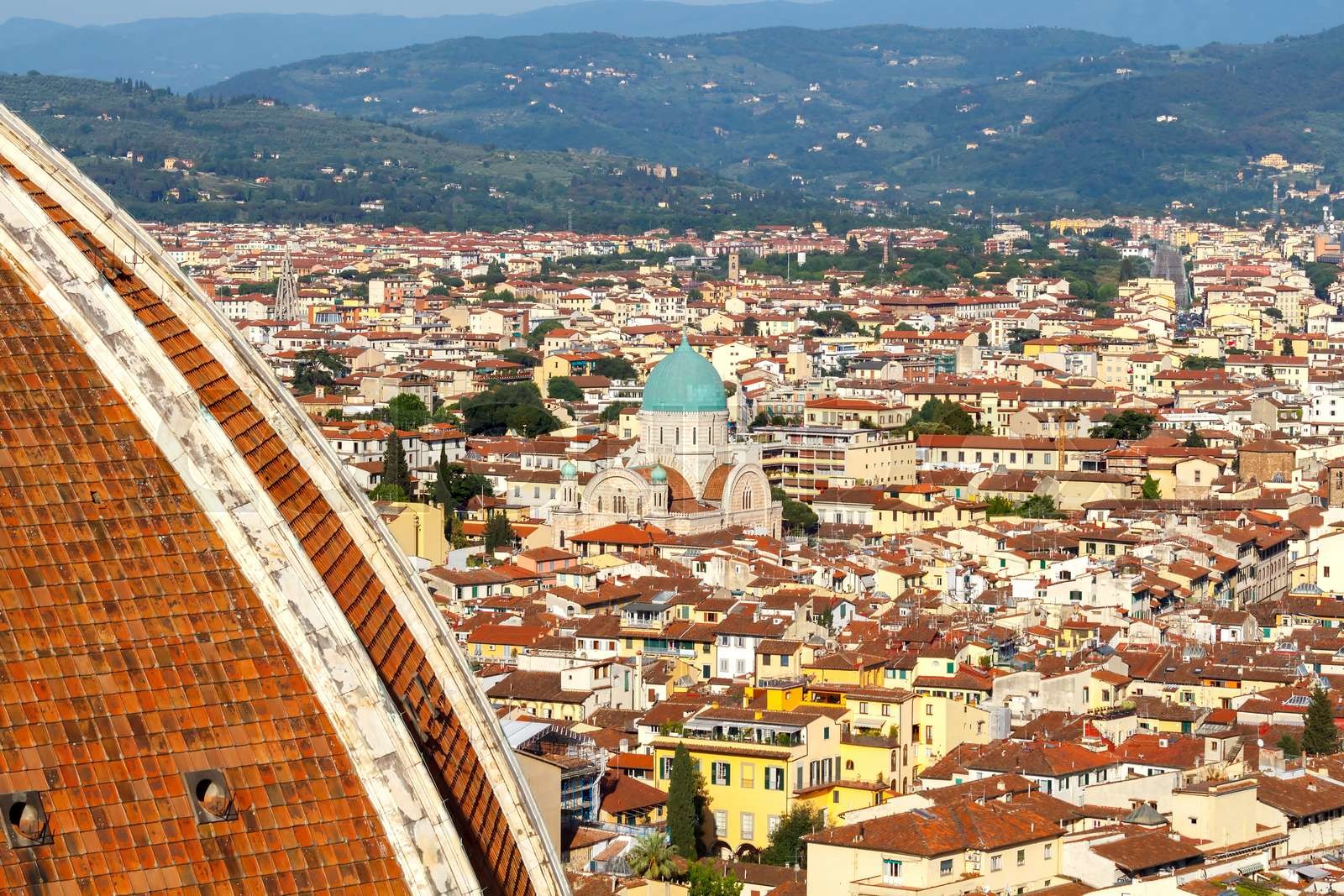
The Duomo, or the Cathedral of Santa Maria del Fiore, stands as a pinnacle of Gothic architecture and a defining feature of Florence’s skyline. This magnificent structure is not only a religious site but also a museum of artistry reflecting the history and culture of the Renaissance period. Its impressive dome, engineered by Filippo Brunelleschi, remains one of the largest in the world and continues to attract millions of visitors each year, highlighting its importance in both cultural and architectural realms.
The Architecture and History
The construction of the Duomo began in 1296, led by the architect Arnolfo di Cambio, driven by the desire to create a grand cathedral that would outshine others in Italy. The building was completed in 1436, with its magnificent dome being among the most remarkable aspects of its design. Brunelleschi’s innovative use of a two-shell structure allowed the dome to rise to an imposing height of 142 feet (43 meters) without the need for supporting scaffolding. The dome is a feat of engineering and artistry that encapsulates the spirit of the Renaissance where science and art harmonized.
The cathedral itself is adorned with intricate artworks, including stained glass windows by renowned artists and bronze doors illustrating biblical stories. The façade, completed in the 19th century, features striking white, green, and pink marble, making the Duomo a feast for the eyes.
Current Events and Preservation Efforts
As of October 2023, the Duomo has entered a new phase of preservation, supported by both local and international funds. The ongoing renovations are aimed at maintaining the structure’s integrity against the deterioration from pollution and weathering. Recent advancements include the installation of a new filtration system for the surrounding air, which will help minimize the damage from environmental factors. This initiative underscores the cathedral’s role as a cultural heritage site and the commitment of the Italian government to preserve its historical monuments.
Conclusion
As a symbol of Florence and of Gothic architecture, the Duomo stands not only as a religious monument but also as a testament to human creativity and the pursuit of beauty. The continuous efforts for its preservation reflect the significance of this landmark, reminding us of our responsibility to protect cultural treasures. With the renewed focus on conservation, the Duomo will remain a source of inspiration for future generations, ensuring that its majestic presence continues to resonate within the cultural fabric of Italy.