
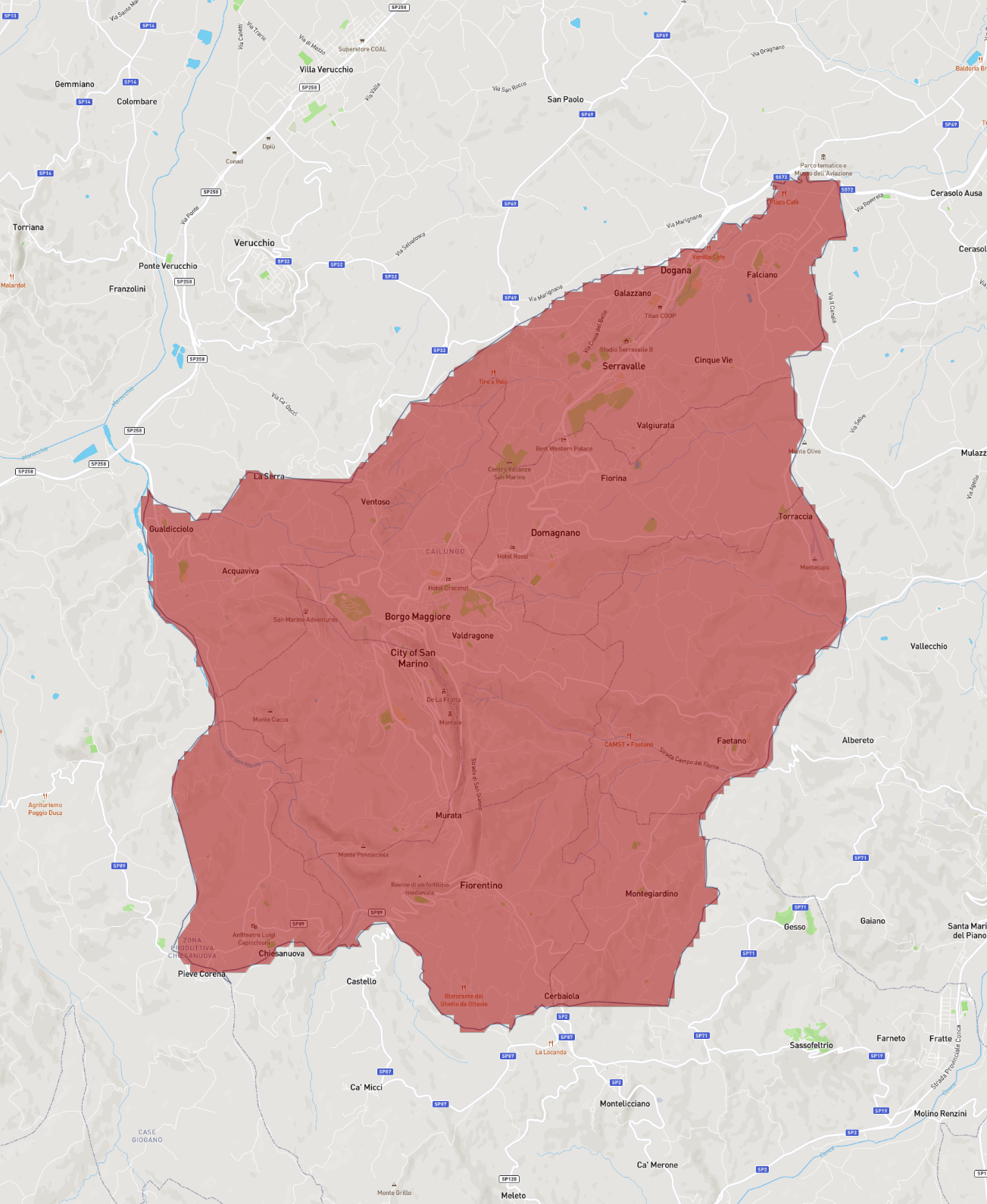
Introduction
San Marino, a small landlocked country surrounded by Italy, is known as one of the world’s oldest republics, with a rich history that dates back to the year 301 AD. This microstate not only offers breathtaking landscapes and medieval architecture but also serves as a significant focal point for discussions about European history, governance, and tourism. As the global interest in unique travel destinations rises, San Marino has emerged as a noteworthy choice for travelers eager to explore cultural heritage and natural beauty.
Historical Significance
The history of San Marino is deeply intertwined with the concept of sovereignty and self-governance. According to legend, San Marino was founded by a stonemason named Marinus, who sought refuge from religious persecution. Over the centuries, San Marino has maintained its independence, even through tumultuous periods in Europe. In 1862, it declared itself a neutral state amidst the backdrop of Italy’s unification, and today it thrives as a symbol of democratic principles.
Tourist Attractions
San Marino’s charm lies in its medieval cities, particularly the capital, also named San Marino. The city boasts stunning fortress-like structures, such as the Guaita, Cesta, and Montale towers. These towers offer panoramic views of the surrounding Apennine Mountains and the Adriatic Sea. Visitors can immerse themselves in the country’s culture by exploring local festivals, such as the famous Calcio Storico, a traditional form of football played in historical costume, which showcases the passionate spirit of San Marino.
Modern-Day Relevance
Today, San Marino is not just a historical site but also a thriving economy, relying significantly on tourism, banking, and manufacturing. Social tourism is encouraged, promoting various visitor programs and sustainable practices to preserve its historical sites. The picturesque streets are lined with local shops offering artisanal products, which have drawn an increasing number of international visitors, particularly from Europe and beyond.
Conclusion
In conclusion, San Marino stands as a testament to resilience and continuity. Its preservation of history and culture makes it a vital part of Europe’s identity. As tourism continues to grow, the significance of discerning and protecting its unique heritage becomes increasingly important. For travelers seeking an off-the-beaten-path experience rich in history, culture, and stunning views, San Marino is undoubtedly a hidden gem worth exploring.