
Introduction
Chechnya, a republic in the North Caucasus region of Russia, has been a focal point of political and social turmoil for decades. This small region is often in the headlines due to its complex history involving conflicts, human rights issues, and its current political landscape under the leadership of Ramzan Kadyrov. Understanding the significance of Chechnya is crucial for comprehending broader issues in Russia and its implications on international affairs.
The Historical Context
Chechnya has a turbulent history marked by two painful wars in the 1990s as it sought independence from Russia. The first war led to significant casualties and destruction, culminating in a de facto independent republic. However, the second war in 1999 resulted in greater Russian control and brutal suppression of dissent. Since then, Chechnya has been governed by Kadyrov, who has established a regime that blends authoritarianism with a distinctive form of local governance.
Recent Developments
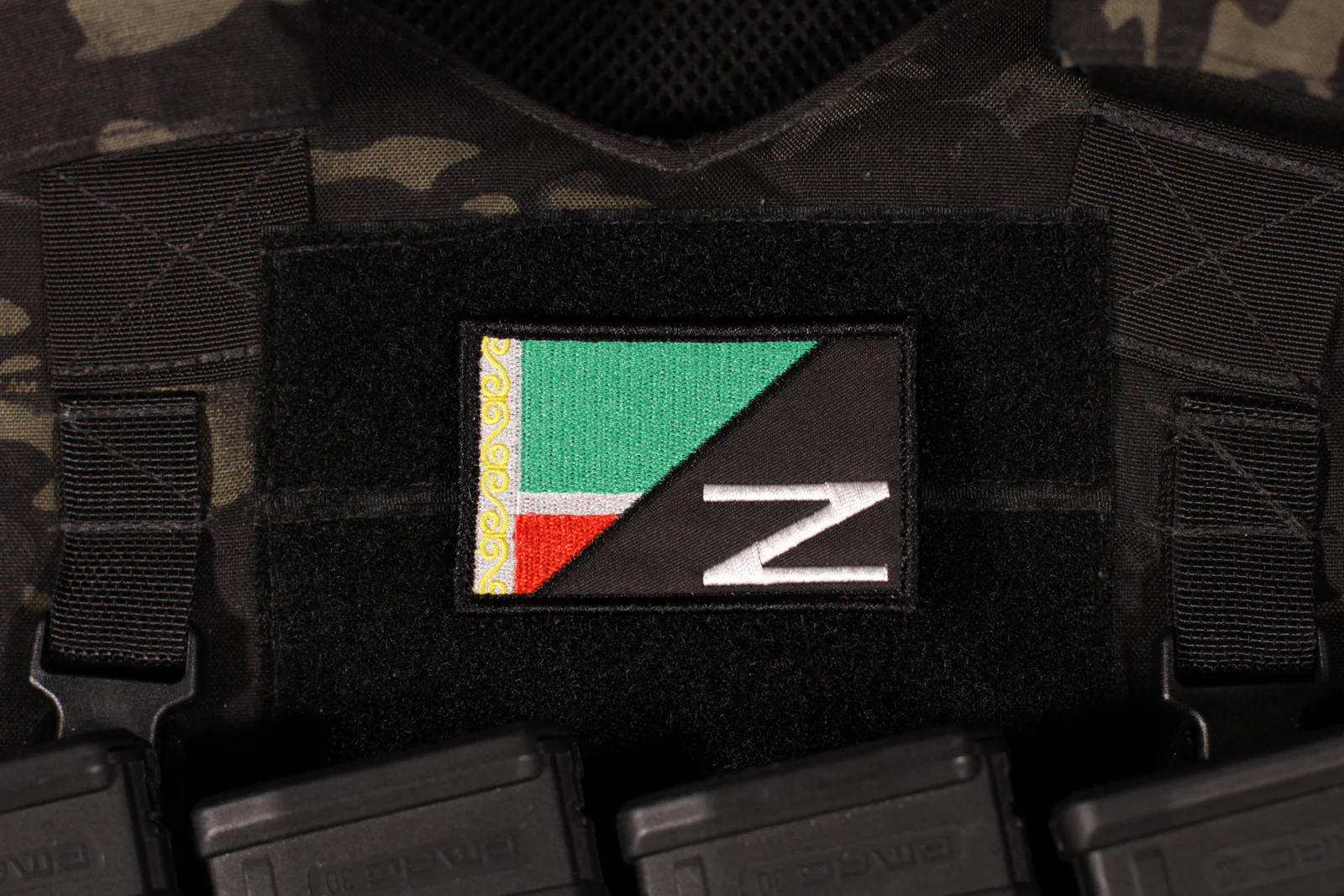
In recent years, Chechnya has gained attention due to reports of severe human rights abuses, including extrajudicial killings, torture, and the persecution of LGBTQ+ individuals. The Russian government under President Vladimir Putin has been accused of turning a blind eye to these violations in exchange for stability in the region. Additionally, the ongoing conflict in Ukraine has overshadowed Chechnya’s issues, yet it remains a critical area of concern.
The situation has escalated as Kadyrov has positioned himself as a loyal ally of Putin, often utilizing social media to boast about Chechen military involvement in Ukraine. This raises alarms among human rights organizations and analysts, who warn that this alignment may further entrench the regime and foster additional violence.
The International Response
International actors, including the United Nations and various human rights NGOs, continue to express concerns over the situation in Chechnya. The U.S. has imposed sanctions on Kadyrov and his associates, seeking to hold them accountable for their actions. However, the effectiveness of these measures remains uncertain, as Chechnya’s political realities often remain isolated from global scrutiny.
Conclusion
The significance of Chechnya is multifaceted, intertwined with regional stability, human rights, and international relations. As the geopolitical landscape continues to evolve, particularly with the ongoing conflict in Ukraine, the destiny of Chechnya may reflect wider trends in Russian politics. Observers recommend that the global community remain vigilant and advocate for human rights while understanding the complex dynamics at play in Chechnya. Keeping a watchful eye on this region is essential for grasping the full scope of challenges facing the North Caucasus and Russia at large.