
Introduction
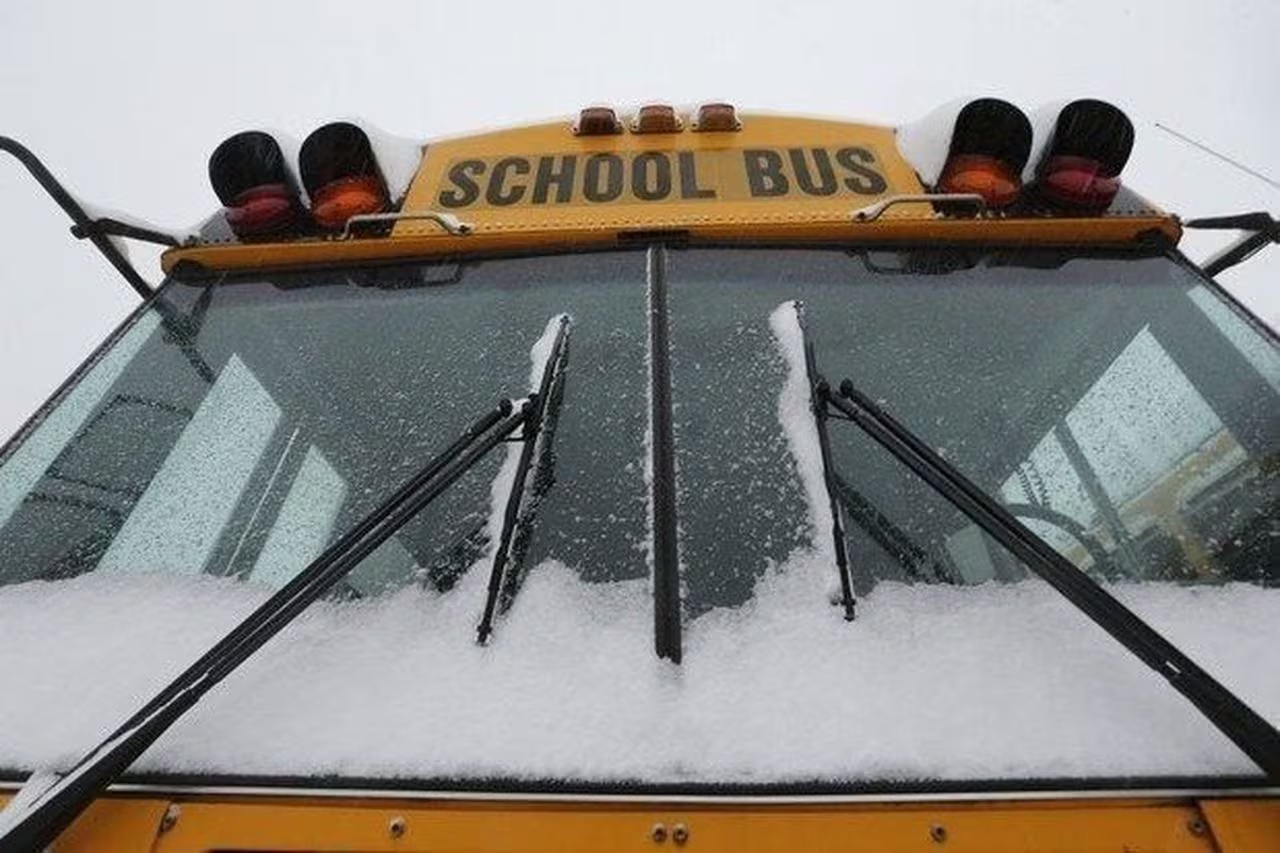
This winter season, New Jersey schools have experienced several delayed openings due to adverse weather conditions. These delays are crucial for ensuring the safety of students and staff while navigating potentially treacherous morning commutes. Understanding the reasons behind these decisions and their implications can help parents and students better prepare for school days affected by weather.
Causes of Delayed Openings
New Jersey’s winter weather can be unpredictable, often leading to snowstorms and icy roads. State authorities evaluate these conditions to determine whether it is safe for students to travel to school. According to the New Jersey Department of Transportation, approximately 1,500 accidents occurred during this most recent snowfall, highlighting the necessity of precautionary measures such as delayed openings.
Schools typically announce delayed openings in advance, usually by the evening before or early in the morning. The policy aims to give district operations enough time to assess current conditions and communicate updates effectively to parents and guardians. Delays of one or two hours allow road crews time to clear snow and ice and improve safety conditions.
Response from Schools and Parents
School administrators emphasize that student safety is their top priority; thus, they remain in constant consultation with local emergency management agencies. However, these delays can cause disruptions in parents’ schedules and impact children’s routines. Parents have expressed mixed feelings about the delays. While they appreciate the emphasis on safety, some find it challenging to arrange last-minute childcare or adjust work schedules.
In response to these challenges, some school districts are promoting flexibility within their academic calendar, offering virtual learning opportunities or adjusted schedules to accommodate unforeseen delays or cancellations.
Future Considerations
As New Jersey continues to experience significant weather fluctuations, it is likely that delays in school openings will remain a common occurrence. School districts may evaluate and adapt their communication strategies, improving how they notify families about weather-related changes.
Looking forward, district officials may also consider reviewing and updating policies regarding school closures and delayed openings as climate patterns evolve. These adjustments can aim to balance educational needs with the inevitable challenges posed by winter weather.
Conclusion
Emergency preparedness and communication are essential in addressing the realities of winter weather in New Jersey. Parents and students must remain adaptable, and school districts should strive for transparency to ease any anxiety surrounding delayed openings. As weather patterns change, the dialogue surrounding school operation practices will continue to be vital for the New Jersey educational community.