
Introduction
The 2026 FIFA World Cup is set to be a landmark event in the world of sports, representing the first time the tournament will feature three host countries: the United States, Canada, and Mexico. This collaboration highlights the growing popularity of soccer in North America and the region’s ability to cater to an event of this magnitude. With significant economic, cultural, and social implications, the 2026 World Cup is anticipated to leave a lasting legacy on the continent.
Main Body
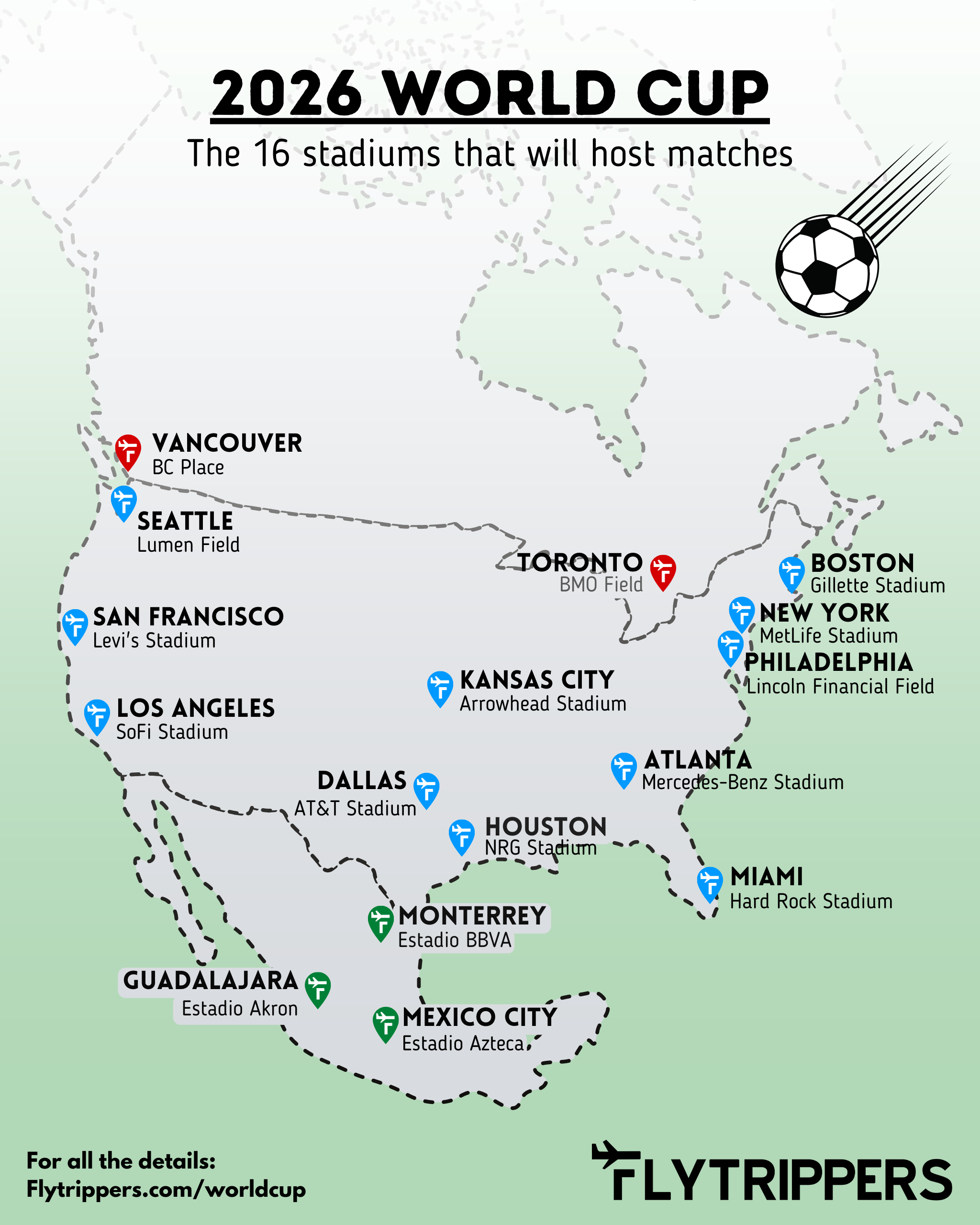
Scheduled to take place from June to July 2026, the tournament will feature an expanded format with 48 teams competing, up from 32 in previous versions. Matches will be held in 16 cities, including iconic venues such as New York’s MetLife Stadium, Los Angeles’ SoFi Stadium, and Mexico City’s Estadio Azteca. This competitive structure aims to enhance participation from diverse nations and provide a platform for emerging footballing powerhouses.
In recent months, preparations have ramped up significantly. FIFA has outlined plans to ensure safety and accessibility, including upgrades to stadiums, transportation infrastructure, and fan zones. Local organizing committees have begun engaging with communities to foster excitement and involvement, ensuring residents feel the positive impact of the World Cup, far beyond just an influx of tourism.
On the economic front, experts predict substantial benefits for host cities, with an estimated $5 billion boost to the economy through job creation, increased tourism, and investments in infrastructure. Events like the World Cup tend to draw millions of visitors, and cities are strategizing to maximize the tourism potential during this global event.
Conclusion
As the FIFA World Cup 2026 approaches, it is clear that this event promises to be historic not only for its scale but also for its implications for soccer in North America. With investments in infrastructure and the potential for economic revitalization, this World Cup is expected to foster a new generation of soccer fans and players. As teams prepare for qualification, fans are equally excited about the possibility of witnessing their countries compete on the world’s biggest stage.
In the coming years, ongoing preparations will define how well the nations can host this monumental occasion, setting the tone for future international sports events. The excitement continues to build as soccer enthusiasts around the world count down to the kick-off.