
Introduction
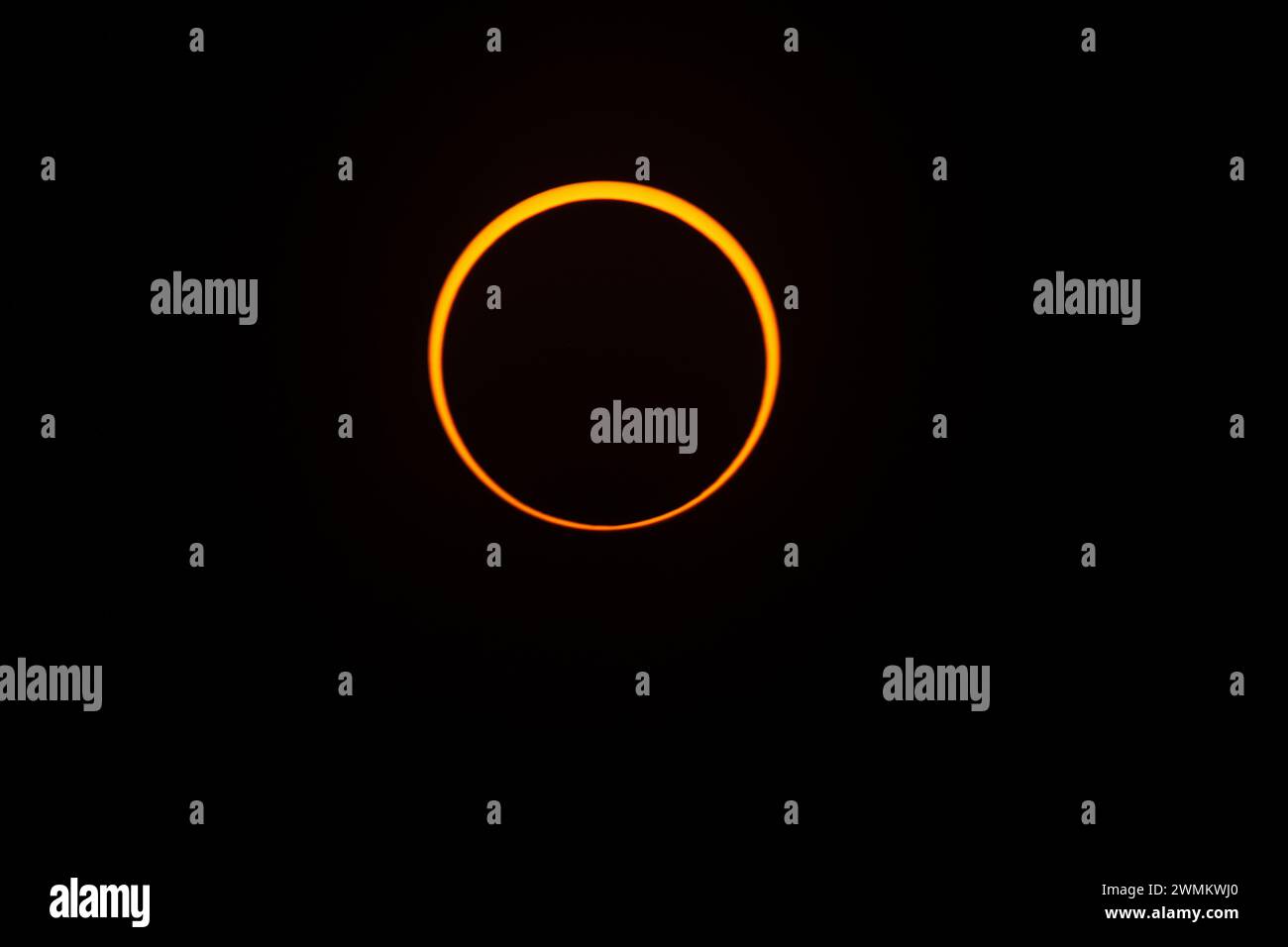
The annular solar eclipse is a fascinating astronomical phenomenon that captures the interest of skywatchers and scientists alike. On October 14, 2023, a remarkable annular solar eclipse will cross parts of the United States, marking a significant event for both casual observers and professional astronomers. This type of eclipse occurs when the moon is positioned directly between the Earth and the sun, but at a distance that prevents the moon from completely covering the sun, leaving a ring-like appearance known as the ‘ring of fire.’
The Path of the Eclipse
This year’s annular solar eclipse will follow a path from the Pacific Coast through parts of the United States, including Texas, Oklahoma, Arkansas, Louisiana, Mississippi, Alabama, and Florida. The eclipse will begin at approximately 10:20 AM local time in Oregon and will end around 5:00 PM in Texas. The maximum annularity, where the ring effect will be visible, will occur around 11:45 AM in Texas. Spectators outside the path of annularity can also witness a partial solar eclipse, where a portion of the sun will be obstructed by the moon.
Significance of the Event
Events like the annular solar eclipse are important for educational and observational opportunities, particularly in enhancing public interest in astronomy. The 2023 eclipse is expected to attract thousands of enthusiasts and travelers to the designated regions, contributing to local tourism and economic activities. Educational institutions and planetariums are preparing special programs and events to educate the public about the celestial event, an essential aspect of fostering interest in science and technology.
Safety Precautions
It’s important to note that viewing a solar eclipse requires safety precautions. Regular sunglasses do not provide sufficient protection from the intense rays of the sun. Special eclipse glasses or solar viewers are essential to safely observe the event. For those who wish to photograph or observe it through telescopes or binoculars, solar filters are a necessity to prevent damage to eyesight and equipment.
Conclusion
The annular solar eclipse on October 14, 2023, promises to be an unforgettable experience for all who are able to witness it. With preparations underway and educational opportunities being introduced, the significance of this celestial event extends beyond just its visual spectacle; it offers a chance for communities to come together and celebrate the wonders of the universe. Whether you are a seasoned astronomer or a curious first-timer, this eclipse serves as a reminder of the beauty and complexity of our solar system.