
Introduction
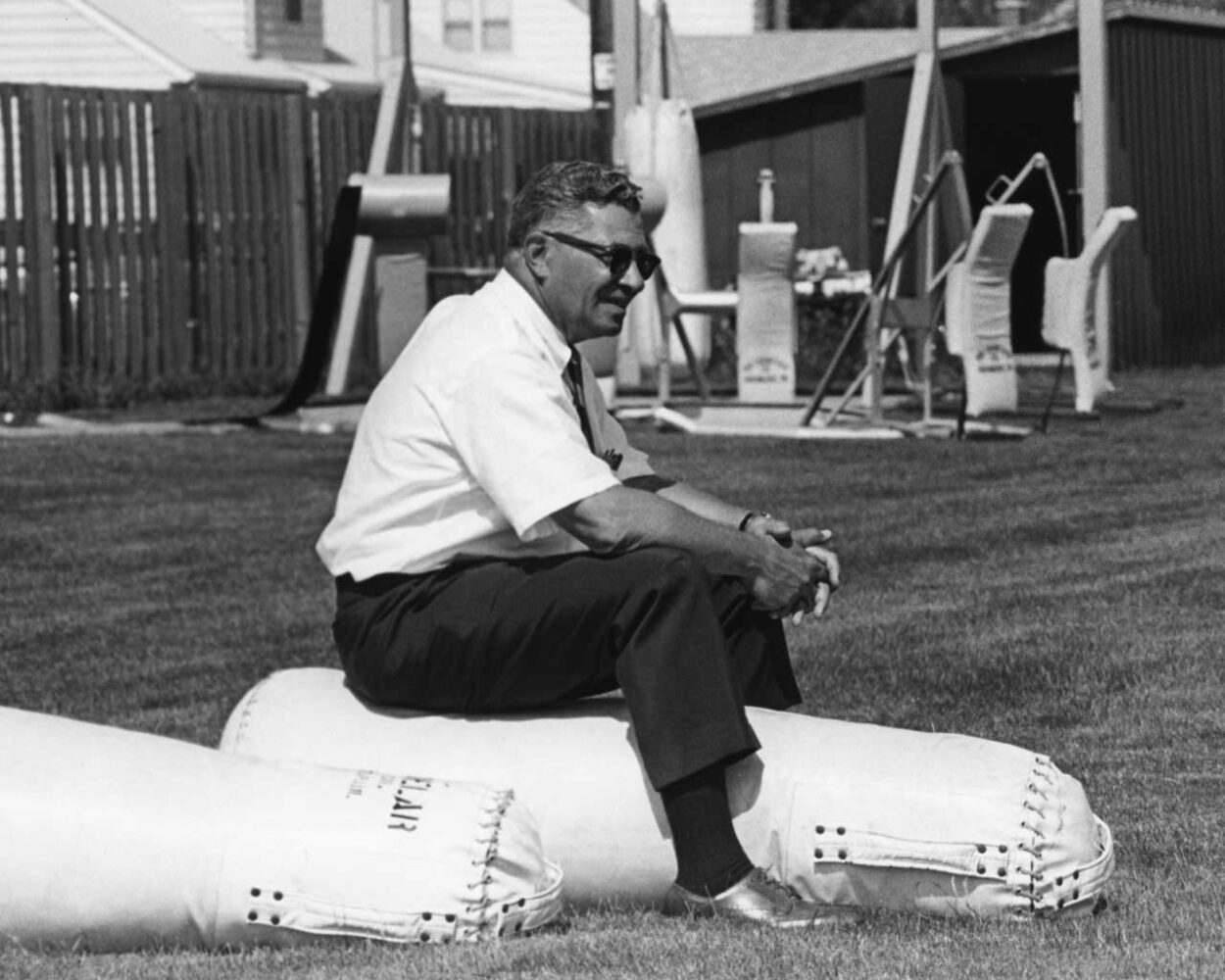
Vince Lombardi, the esteemed coach of the Green Bay Packers, remains a monumental figure in the world of American football. His coaching philosophy, team-first mentality, and remarkable ability to inspire players have left a lasting imprint on the National Football League (NFL). Understanding Lombardi’s influence is crucial for football enthusiasts and aspiring coaches alike, as his principles continue to resonate in today’s game.
Vince Lombardi: A Brief Biography
Born on June 11, 1913, in Brooklyn, New York, Vince Lombardi had a modest beginning. He played college football at Fordham University and later transitioned into coaching. In 1959, he took the helm of the Green Bay Packers, a team struggling to find its footing. Under Lombardi’s leadership, the Packers would become a dominant force, clinching five NFL Championships, including the first two Super Bowls, in 1966 and 1967.
Coaching Philosophy
Lombardi is often credited with introducing a rigorous work ethic and a focus on fundamentals in football. His famous quote, “Winning isn’t everything; it’s the only thing,” reflects his intense commitment to success. However, he was also known for prioritizing integrity, teamwork, and discipline. Lombardi’s methods transformed the Packers into a cohesive unit, setting a standard for excellence that other teams aspired to achieve.
Recognition and Impact
The legacy of Vince Lombardi extends far beyond his championships. The Super Bowl trophy is named in his honor, a testament to his influence on the game. He was inducted into the Pro Football Hall of Fame in 1971. Lombardi’s impact continues to be felt; contemporary coaches reference his philosophies, and football programs at all levels examine his strategies. Additionally, he is often cited in discussions about leadership in sports, business, and personal development.
Conclusion
Vince Lombardi’s legacy as a coach and leader is enduring, inspiring generations of players and coaches alike. His emphasis on character, hard work, and winning mentality has shaped not only the NFL but also the culture of American sports. As football continues to evolve, Lombardi’s principles offer valuable lessons that transcend the field. Understanding his approach can guide future generations both in competitive environments and in everyday life, making the study of his life and career particularly relevant today.