
Introduction
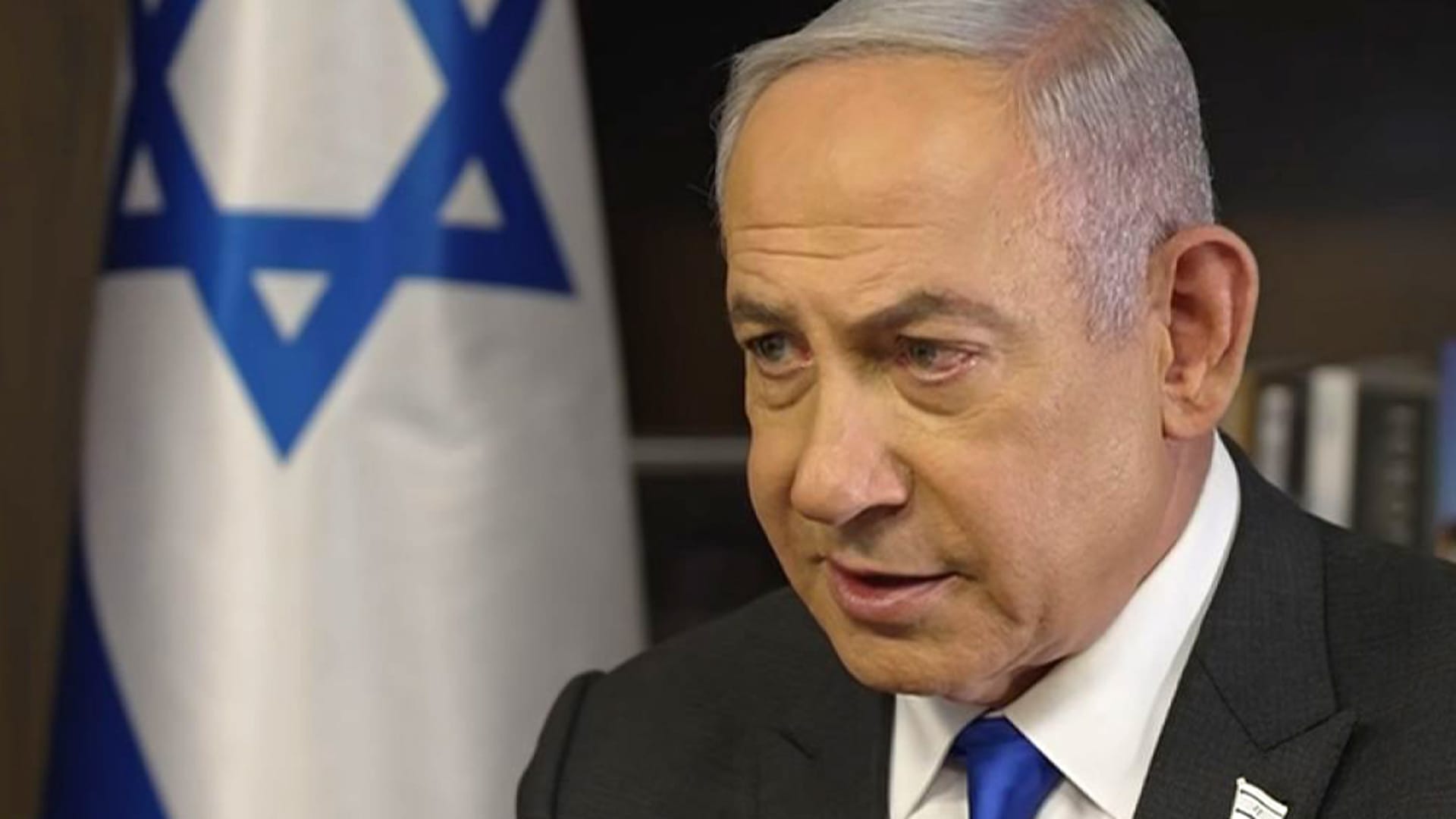
Benjamin Netanyahu, a veteran politician and Israel’s longest-serving prime minister, remains a pivotal figure in Israeli politics. His recent actions and decisions have significant implications, not only for the future of his political party, the Likud, but also for the broader landscape of Israeli society and its relationship with the international community. As Israel faces pressing domestic and geopolitical challenges, Netanyahu’s maneuvers are under close scrutiny.
Recent Political Developments
As of 2023, Netanyahu has been navigating a complex political environment marked by widespread protests against his government’s proposed judicial reforms. These reforms aim to alter the balance of power between the legislative and judicial branches, raising concerns about the potential erosion of democratic checks and balances in Israel. The reforms have sparked significant opposition, leading to massive demonstrations across the country, with critics arguing that they threaten the independence of the judiciary.
In response to the mounting public dissent, Netanyahu’s administration has attempted to engage in dialogue with opposition leaders and civil society groups. However, his efforts have been met with skepticism, as many view his proposals as insufficient to address the core issues at hand. Furthermore, his coalition government, characterized by its reliance on ultra-nationalist and ultra-Orthodox parties, complicates consensus-building within the Knesset.
Geopolitical Context
Internationally, Netanyahu’s foreign policy approach remains a crucial component of his leadership. The ongoing conflict with Palestinians, the relations with neighboring Arab states, and the evolving dynamics with Iran and the United States continue to shape his agenda. Recently, Netanyahu has sought to enhance Israel’s strategic alliances, particularly in the wake of the Abraham Accords, while simultaneously addressing security concerns raised by escalated tensions in the West Bank.
Conclusion
As Netanyahu continues to contend with both internal and external pressures, political analysts suggest that his ability to retain power hinges on successfully addressing the public’s concerns regarding judicial reform and demonstrating effective governance. The political landscape in Israel remains volatile, and the outcome of Netanyahu’s strategies could define not only his political legacy but also Israel’s democratic framework. Moving forward, developments in Netanyahu’s policies will be of paramount interest to both Israeli citizens and international observers, who are watching closely to see how these challenges unfold.