
Introduction
Understanding the dynamics of the US population is crucial for policymakers, businesses, and communities. As of 2023, the United States boasts a population of over 333 million, making it the third most populous country in the world, following China and India. This enormous figure has implications for economic growth, healthcare, education, and social services, highlighting the importance of demographic trends and challenges facing the nation.
Population Growth and Trends
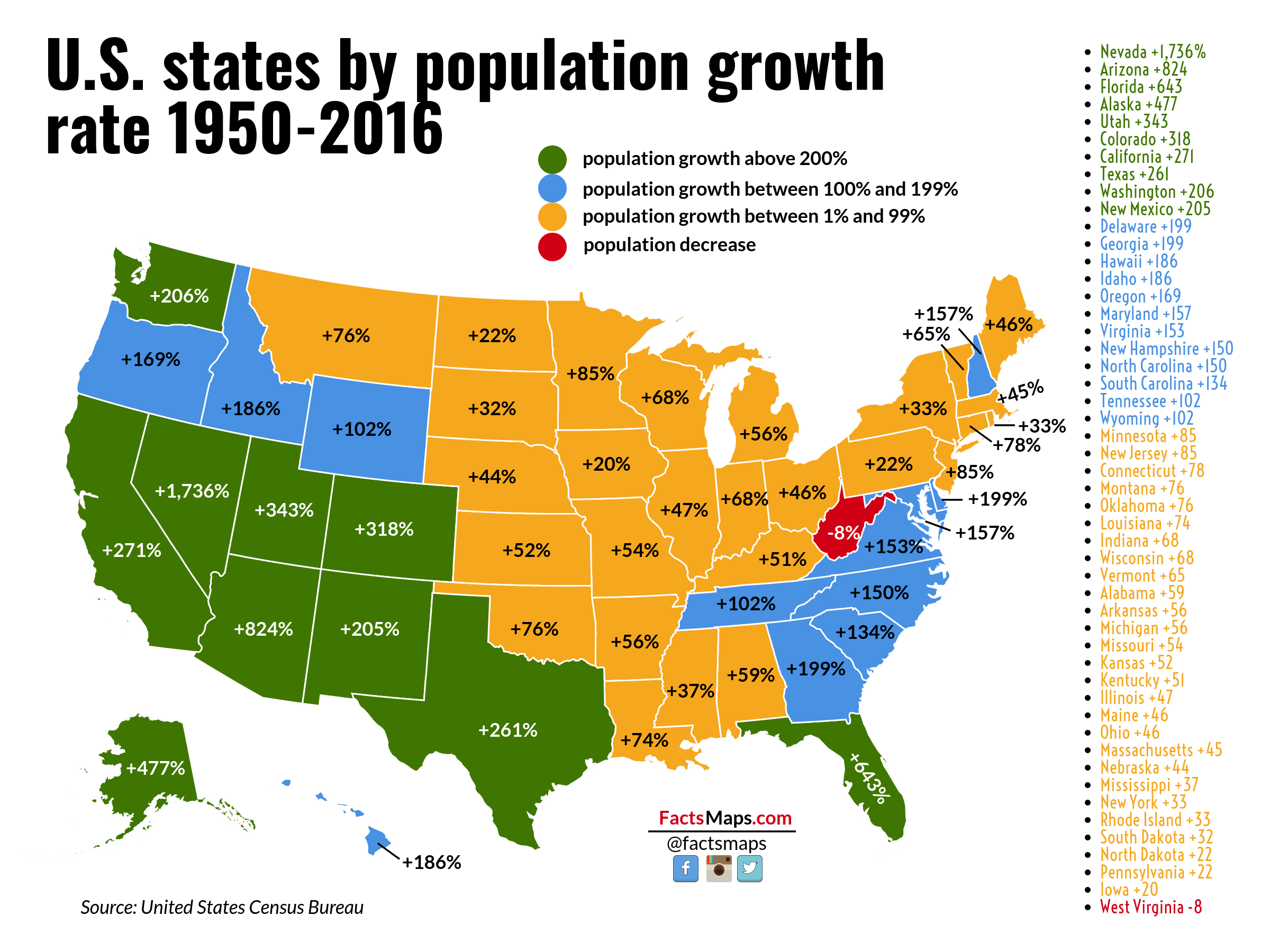
The US Census Bureau reports that the population has continued to grow, albeit at a slower rate than in previous decades. The most recent data indicates the annual growth rate is about 0.1%, primarily driven by natural increase (births minus deaths) and immigration. In 2022, there were approximately 3.7 million births compared to 3.4 million deaths. This reflects ongoing demographic shifts where states in the South and West continue to see population increases, while many Northeastern and Midwestern states experience declines.
Demographic Changes
The US is becoming increasingly diverse. Recent reports indicate that the Hispanic and Asian populations have increased significantly, contributing to the country’s multicultural landscape. According to the Pew Research Center, by 2050, it is projected that there will be no single ethnic majority in the US, and these trends are likely to influence everything from elections to cultural institutions.
Challenges Ahead
Despite growth, the US population faces several challenges. The aging population is a significant concern, with estimates predicting that by 2034, older adults (65 and older) will outnumber children (under 18) for the first time in history. This shift will place a considerable burden on healthcare systems and social security programs. Furthermore, states will have to grapple with issues related to housing, infrastructure, and educational capacity to accommodate a growing and aging population.
Conclusion
The trends in the US population reveal a complex narrative of growth, diversity, and change. As the nation prepares for a more diverse and aging populace, it is essential for stakeholders to plan and adapt policies accordingly. Understanding these demographic shifts is vital for ensuring sustainable economic development and quality of life for all citizens. The future of the US population will require strategic foresight to meet the challenges and leverage the opportunities presented by these demographic changes.