
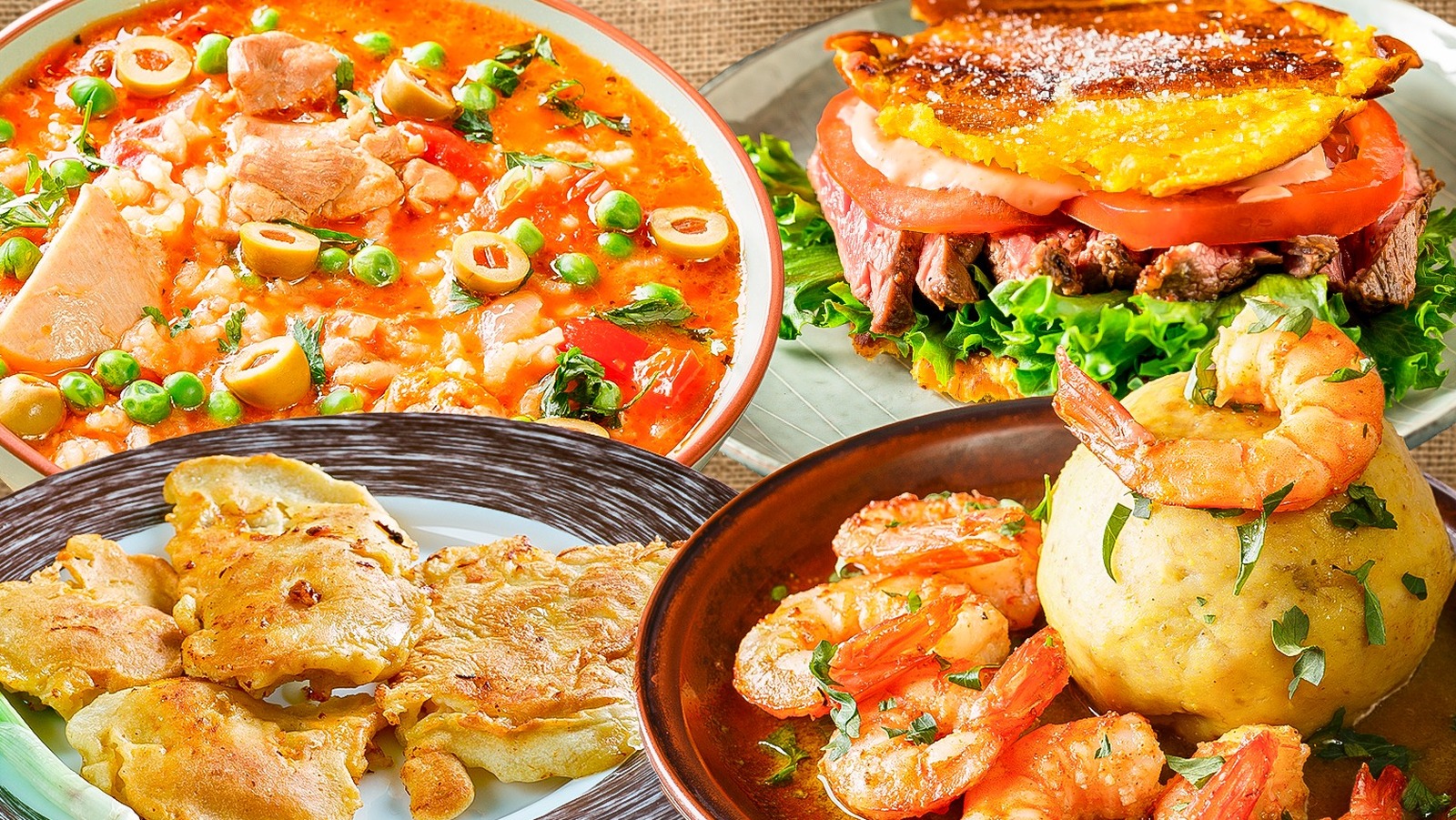
The Importance of Puerto Rican Food in Culture
Puerto Rican food is a vital part of the island’s cultural identity, combining Taino, African, and Spanish influences. The culinary landscape is a reflection of its history and the diverse groups that have inhabited the island. As the world becomes more globalized, Puerto Rican cuisine is gaining recognition beyond the Caribbean, leading to an increased interest in traditional dishes and local ingredients.
Traditional Dishes You Must Try
Some of the most beloved Puerto Rican dishes include:
- Arroz con gandules: This rice dish combines pigeon peas, spices, and often includes pork, making it a staple during holidays and family gatherings.
- Mofongo: Made from mashed fried green plantains, garlic, and often combined with chicharrón (fried pork), this dish is served with broth and boasts a rich flavor.
- Pernil: A slow-roasted marinated pork shoulder seasoned with garlic and herbs, often the centerpiece of festive meals.
- Tostones: These twice-fried green plantains are crispy and savory, typically served as a side or snack.
- Flan: A smooth caramel custard dessert that has gained popularity across Latin America.
Modern Influences and the Evolution of Puerto Rican Cuisine
Recently, chefs have begun blending traditional Puerto Rican recipes with contemporary culinary techniques and global flavors. This fusion has led to innovative dishes that respect heritage while appealing to modern palates. Food trucks and pop-up restaurants featuring Puerto Rican food are becoming increasingly popular in urban centers across the U.S., showcasing the adaptability and appeal of this vibrant cuisine.
Challenges and Future Outlook
Despite its rich culinary heritage, Puerto Rican food faces challenges. The economic difficulties faced by the island, exacerbated by natural disasters and economic mismanagement, can impact ingredient availability and culinary practices. However, a growing movement of chefs and home cooks is working to preserve and innovate Puerto Rican recipes. This community-driven effort is vital for keeping the culinary traditions alive and relevant, ensuring present and future generations appreciate Puerto Rican cuisine.
Conclusion
Puerto Rican food is more than just sustenance; it’s a testament to the island’s resilience and rich cultural tapestry. As it gains popularity, there is potential for greater recognition and appreciation of its unique flavors and traditions. For those who love global cuisines, diving into Puerto Rican food offers not just a meal, but a journey through history, culture, and community.