
Introduction
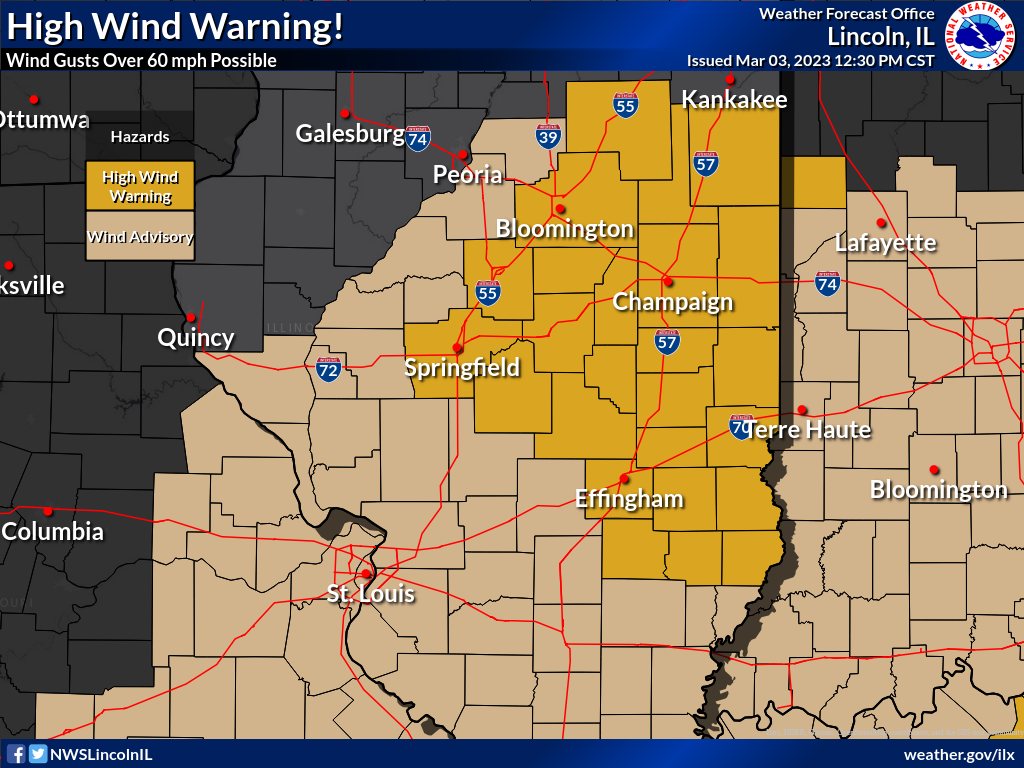
High wind warnings are critical notifications issued by meteorological agencies to alert the public about potentially dangerous wind conditions. These warnings play a vital role in ensuring safety as high winds can lead to hazardous situations such as property damage, power outages, and increased risk of accidents.
What is a High Wind Warning?
A high wind warning is typically issued when sustained winds of 40 mph (64 km/h) or gusts reaching or exceeding 58 mph (93 km/h) are expected. These conditions can occur due to severe weather systems, and they are particularly relevant during storm seasons in various regions across the U.S.
Recent High Wind Events
In recent weeks, states such as California and Texas have experienced exceptionally high winds leading to power outages and disruption of services. The National Weather Service (NWS) reported wind gusts in some areas reaching up to 70 mph (113 km/h), uprooting trees and damaging structures. Emergency services remained on high alert as crews worked to restore power to thousands of affected residents. Similar warnings were also issued across the Midwest, with authorities urging locals to secure loose outdoor items and prepare for possible evacuations in severe cases.
Safety Tips During High Wind Warnings
When a high wind warning is in effect, consider the following safety measures:
- Secure Outdoor Items: Bring in or anchor down furniture, grills, and any other items that could be blown around.
- Stay Indoors: If possible, remain inside during the peak of the winds.
- Avoid Driving: High winds can make driving dangerous, particularly for high-profile vehicles like trucks and buses.
- Check Emergency Kits: Ensure that you have emergency supplies ready in case of outages or severe incidents.
Conclusion
High wind warnings emphasize the importance of preparedness and situational awareness. While these weather phenomena can disrupt daily life, understanding their risks and implementing safety measures can help mitigate potential dangers. As climate patterns continue to evolve, it is essential for residents in high-risk areas to stay informed about weather alerts and to take precautions seriously. Keeping informed can make a difference in ensuring safety during adverse weather conditions.