
Introduction
School closings in Massachusetts (MA) have become a pressing topic as weather patterns change and the need for safety during emergencies increases. This year, Massachusetts faced multiple instances of unexpected closures due to heavy snowstorms, health concerns, and other emergencies, affecting students, parents, and educators alike. Keeping track of school schedules is crucial for families and communities to plan effectively and maintain smooth daily routines.
Recent School Closures
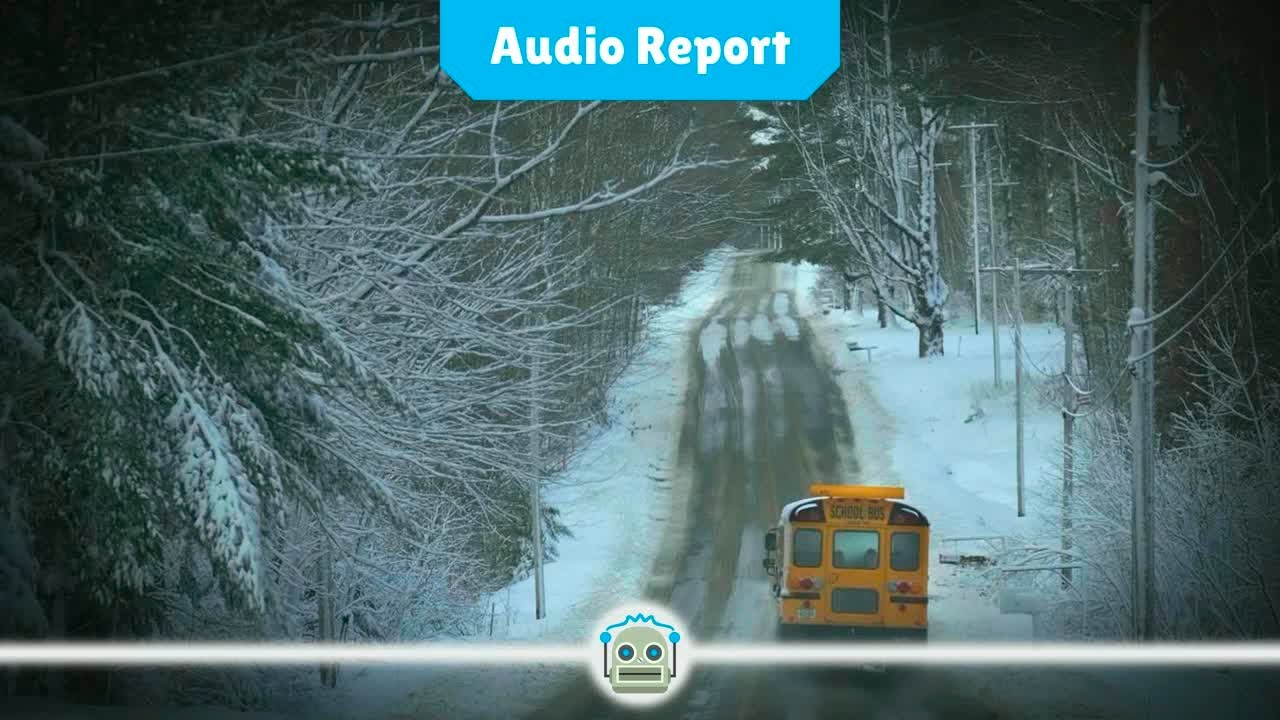
In the winter of 2023, Massachusetts experienced one of its heaviest snowfall events in years, prompting authorities to announce widespread school closures across various districts. Notably, districts in Boston, Worcester, and Springfield were affected, resulting in the cancellation of classes for several days. The decision to close schools was made to ensure the safety of students and staff, as icy roads and severe weather conditions posed significant risks.
Health concerns continue to impact school schedules as well. In early 2023, cases of influenza and respiratory illnesses surged, prompting several schools in the state to implement temporary closures and shift to remote learning to reduce transmission rates. The Massachusetts Department of Public Health closely monitored the situation, issuing guidelines to local school districts on proper protocols.
Impact on Students and Families
School closures can significantly affect students’ learning experiences and families’ daily activities. Parents often have to adjust their work schedules or find alternative childcare solutions when schools close unexpectedly. Furthermore, students miss out on valuable classroom time, leading to concerns about academic performance and socialization. Local districts have made efforts to provide online resources and instructional materials for students to continue learning during these interruptions.
Looking Ahead: Forecasts and Preparations
Looking forward, school administrators in Massachusetts are preparing for future emergencies by enhancing their communication channels with families. Several districts are adopting improved notification systems and social media updates to keep parents informed promptly. Additionally, schools are encouraged to develop comprehensive remote learning plans to reduce the impact of any potential closures on students’ education.
Conclusion
The ongoing challenges posed by severe weather and health issues have made school closings a recurring reality in Massachusetts. While closures are essential for safety, their implications for education and family life are significant. By implementing better communication strategies and preparing for remote learning, Massachusetts schools aim to mitigate the interruptions caused by future closures. Staying vigilant and prepared is essential for families and educators as they navigate these unforeseen circumstances.