
Introduction
School cancellations have become a significant topic of concern for students, parents, and educators alike. These closures, whether due to extreme weather, public health issues, or other emergencies, can disrupt learning schedules and create a ripple effect in the community. Understanding the causes of these cancellations and their implications is crucial for stakeholders aiming to mitigate their effects.
Recent Trends in School Cancellations
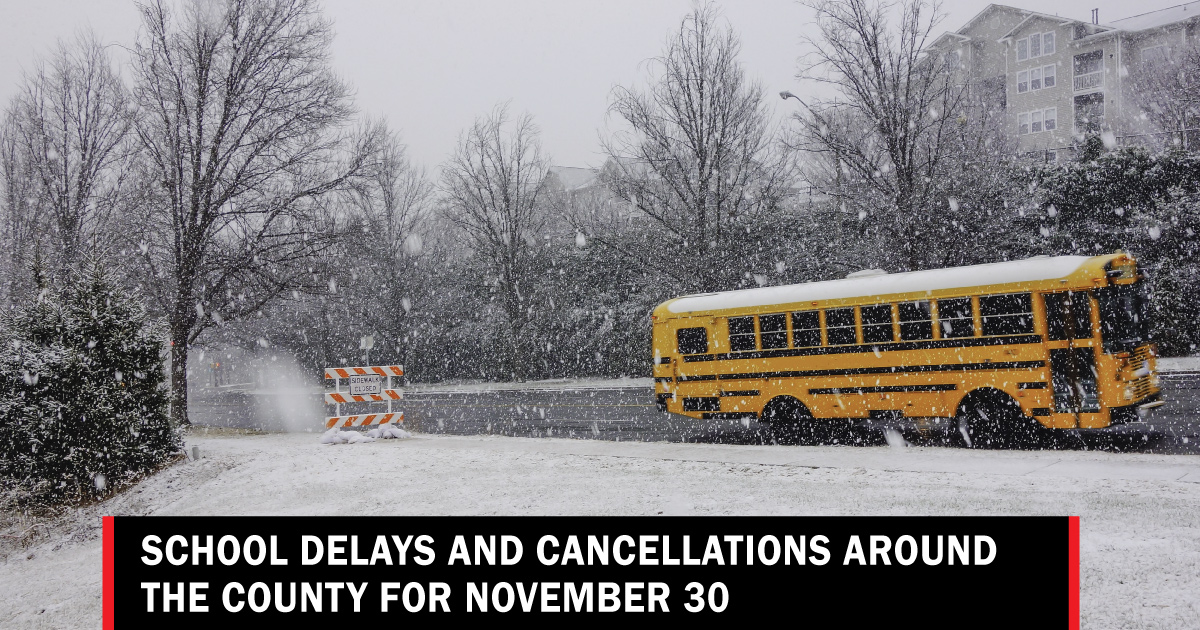
In recent months, various regions across the United States have experienced frequent school cancellations. For instance, in early October 2023, several school districts in the Midwest canceled classes due to an unexpected early snowstorm, resulting in travel advisories that rendered commutes unsafe. Similarly, school districts in the Southeast faced closures due to significant flooding following hurricane-induced heavy rainfall.
Furthermore, the lingering effects of the COVID-19 pandemic have also contributed to sporadic school cancellations. Reports indicate that schools are occasionally canceled due to outbreaks of respiratory illnesses, including flu and RSV, prompting measures to protect student and staff health.
Impact on Students and Communities
The impact of school cancellations extends beyond missed instructional time. Students lose valuable opportunities for learning and social interaction. Experts warn that extended cancellations could exacerbate existing educational disparities, particularly for students with fewer resources at home. Furthermore, during closures, working parents face increased pressure to find childcare, impacting their jobs and economic stability.
Moreover, frequent cancellations can strain public resources, as local governments respond to the fallout of these disruptions—whether by providing additional remote learning resources or addressing public health concerns. For teachers, shifting from in-person to remote instruction can add layers of complexity to their already challenging roles.
Conclusion
As weather patterns change and public health continues to be a concern, school cancellations may remain a frequent occurrence. Education stakeholders must collaborate to develop contingency plans that prioritize student learning and well-being. The growing unpredictability highlights the need for adaptive strategies to ensure that education remains resilient in the face of future challenges. Monitoring these trends and their impacts can help communities better prepare and respond, safeguarding the educational journey of all students.