
Introduction
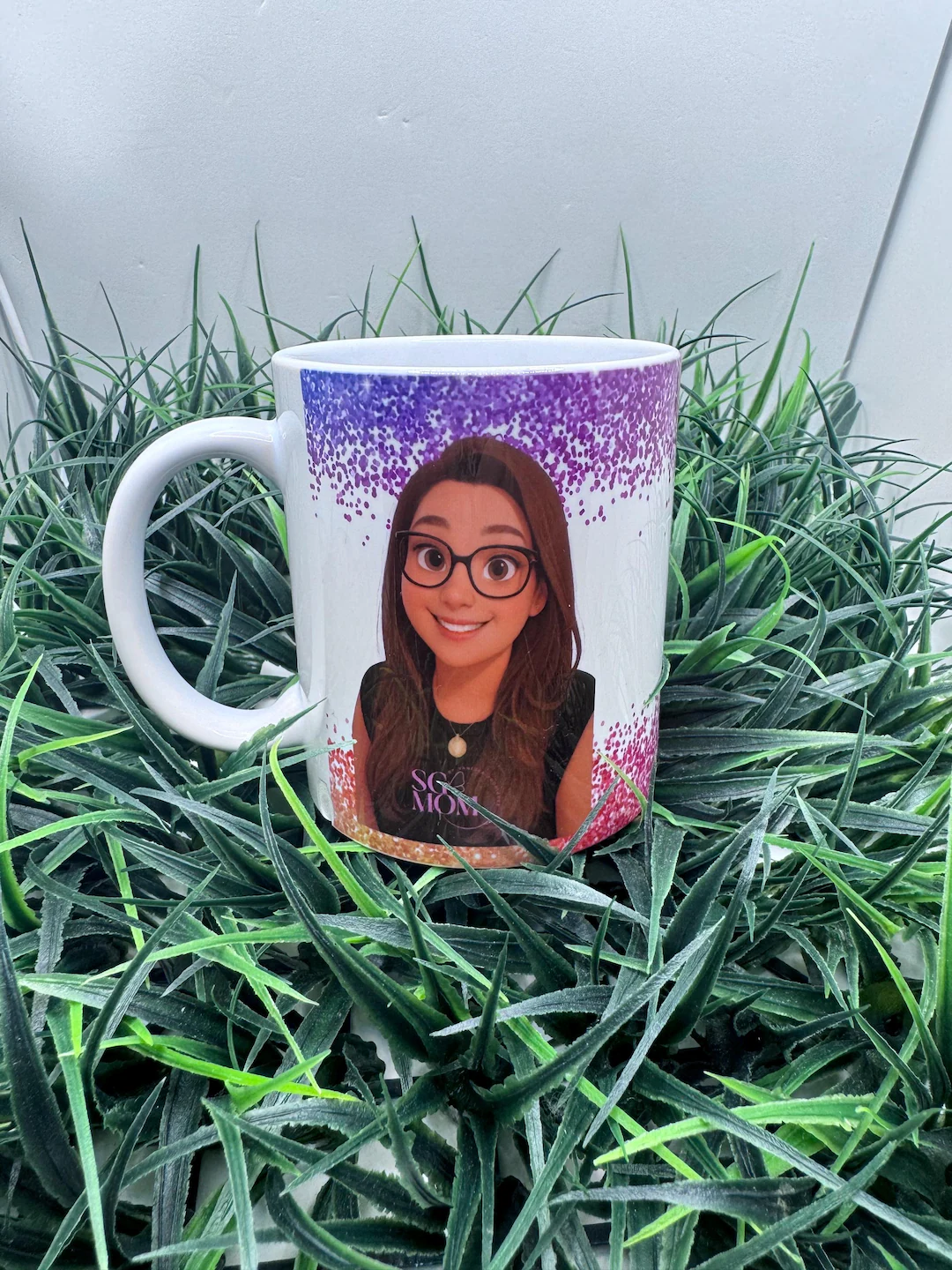
In recent months, the ChatGPT caricature trend has surged in popularity, captivating users across various online platforms. This trend combines the power of artificial intelligence with the creative expression of caricature art, allowing people to visualize their interactions with AI in humorous and artistic ways. As AI technology continues to evolve, its intersection with creative domains like art showcases not only innovation but also the changing nature of digital communication.
The Emergence of AI-driven Caricatures
With the advent of advanced AI models like ChatGPT, users have begun to experiment with how they can personify their interactions with these technologies. This has led to an explosion of caricature creations, where users generate exaggerated and stylized images of what they imagine ChatGPT might look like. Various social media platforms, especially TikTok and Instagram, have seen a flurry of posts under hashtags like #ChatGPTCaricature, where users showcase their imaginative renditions.
Tools and Applications
Creating these caricatures is made easy through a number of digital art tools and applications. Programs like Procreate, Adobe Illustrator, and even simple mobile apps provide users with the ability to draw, edit, and share their AI caricatures. Some tech-savvy users have also begun incorporating machine learning models trained on user-input data to produce unique renditions, bridging the gap between traditional artistry and modern technology.
Impact on Digital Culture
The ChatGPT caricature trend highlights the broader impact of AI on digital culture. It fosters creativity, encourages community engagement, and promotes humor in technology interactions. This trend reflects a shift in how people interact with AI, moving from mere functional use to creative exploration. Moreover, it sparks conversations about the representation of AI, inviting users to contribute to the narrative surrounding intelligent technologies.
Conclusion
As the ChatGPT caricature trend continues to grow, it raises interesting questions about the evolution of art, humor, and technology in our daily lives. It emphasizes the value of creativity and expression in interacting with advanced technologies that are now integral to society. The significance of this trend not only showcases the capabilities of digital art but also highlights the importance of human connection in the realm of artificial intelligence.