
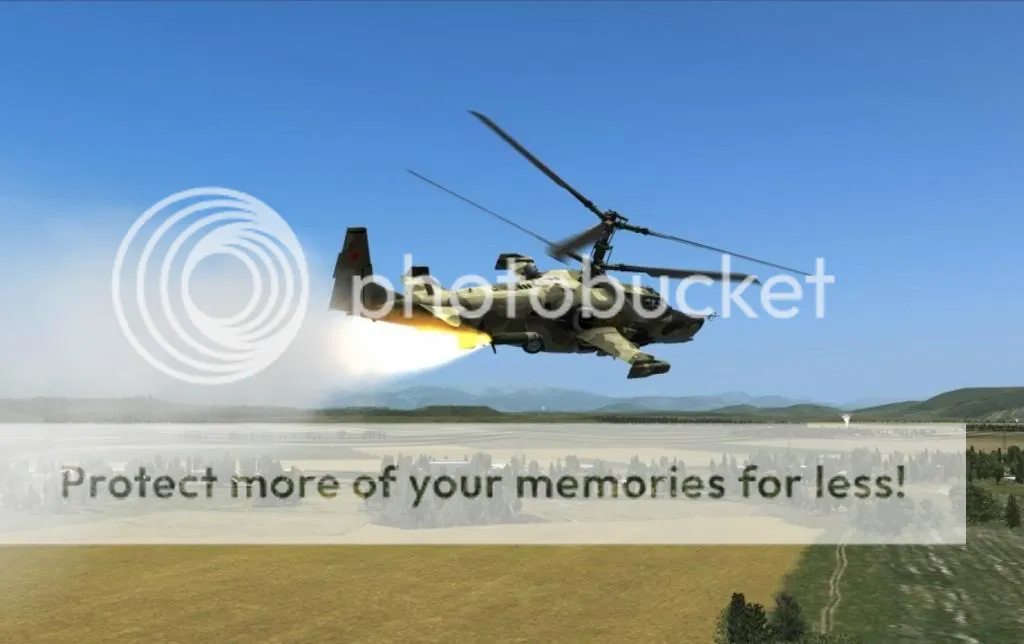
Introduction to MANPADS
Man-Portable Air-Defense Systems, commonly known as MANPADS, are lightweight, mobile surface-to-air missile systems designed for easy transport and use by individual soldiers. Their increasing prevalence in military engagements highlights the critical role they play in modern warfare, particularly in countering low-flying aircraft like helicopters and unmanned aerial vehicles (UAVs). This article explores the significance of MANPADS, their operational capabilities, and the implications of their use in conflicts around the world.
Overview of MANPADS
Originally developed during the Cold War era, MANPADS have evolved significantly to meet the challenges of contemporary combat. Examples of MANPADS include the Russian-developed SA-7 Grail and the American FIM-92 Stinger. These systems enable infantry troops to engage aerial targets effectively, providing a tactical advantage on the battlefield while requiring minimal training for immediate integration into military operations.
Events and Deployment
Recent conflicts in regions such as Syria and Ukraine have underscored the use of MANPADS by both state and non-state actors. Reports indicate that various factions have acquired such systems, showcasing their impact on air operations and the balance of power in regional conflicts. Furthermore, the increasing availability of MANPADS on the black market poses a significant threat, as these weapons can easily be obtained by terrorist organizations.
Challenges and Concerns
The proliferation of MANPADS raises numerous challenges for military officials and policymakers. Their capabilities to disrupt air operations complicate missions for coalition forces, as seen in various engagement scenarios where helicopters and drones face heightened risks. Additionally, the risk of MANPADS falling into the wrong hands presents a dire global security challenge. Efforts have been initiated by nations and international organizations to regulate and monitor the sale and distribution of these systems to mitigate potential threats.
Conclusion
In conclusion, MANPADS remain an essential component of modern military arsenals, with significant implications for both combat operations and global security. As conflicts evolve and new technologies emerge, the importance of these systems will likely continue to grow. Policymakers must remain vigilant in managing the proliferation of MANPADS and work towards cooperative security measures to prevent their misuse. Understanding the impact and challenges posed by MANPADS is imperative for ensuring the safety of air operations and the stability of regions affected by their deployment.