
Introduction
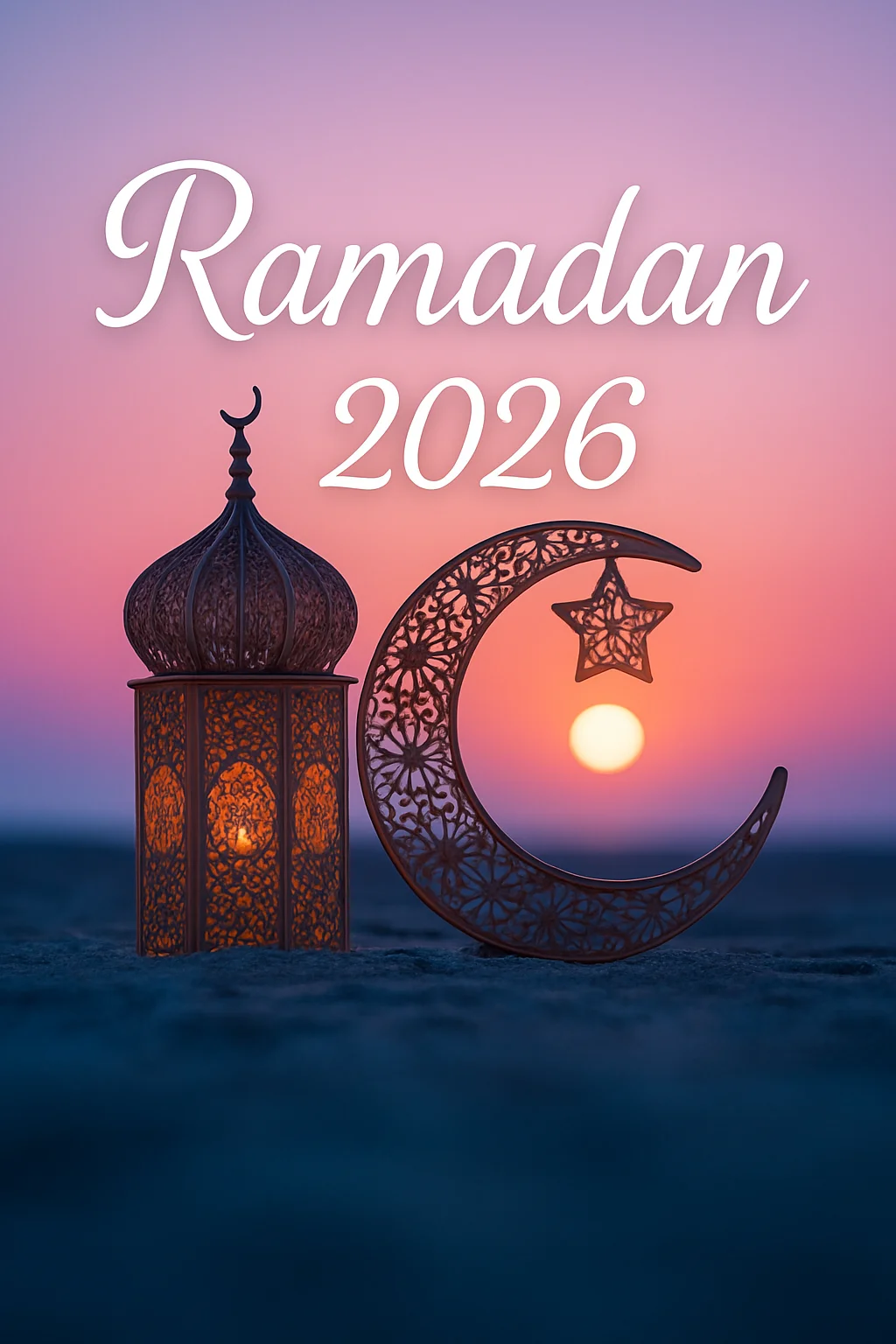
Ramadan is one of the holiest months for Muslims worldwide, marked by fasting, prayer, and reflection. In 2026, Ramadan will begin on the evening of February 17 and culminate in the celebration of Eid al-Fitr on March 18, based on lunar sightings. Understanding the significance and observances during this month is essential for both Muslims and those wanting to respect and learn about different cultural practices.
What is Ramadan?
Ramadan is the ninth month of the Islamic lunar calendar, celebrated by Muslims as a month of fasting, prayer, and community. During this time, Muslims fast from dawn until sunset, which involves refraining from eating, drinking, smoking, and sinful behavior. The fast, known as ‘Sawm’, serves multiple purposes including self-discipline, spiritual growth, and a reminder of the plight of the less fortunate.
Key Dates for Ramadan 2026
In 2026, Ramadan is expected to commence on the evening of February 17, with the first full day of fasting occurring on February 18. The month will conclude with the eagerly anticipated festival of Eid al-Fitr, which is projected to fall on March 18. However, exact dates may vary based on lunar sightings, which is a common practice in Islamic traditions.
Significance of Ramadan
Ramadan holds immense spiritual significance for Muslims. It is believed to be the month in which the Quran was revealed to Prophet Muhammad. During this time, Muslims focus on intense prayer, recitation of the Quran, and performing good deeds. Many choose to volunteer and donate to charities, reinforcing the importance of community and compassion.
Conclusion
As Ramadan 2026 approaches, it is an opportunity for Muslims globally to renew their faith and commitment to their beliefs and values. The month of fasting fosters unity and social responsibility within communities. As the date draws near, it presents a chance for those outside the faith to engage, observe, and appreciate the rich traditions of Ramadan. Understanding these practices highlights the significance of cultural respect and awareness in our increasingly global society.