
Introduction
In an increasingly digital world, organizations of all sizes are at risk of cyber threats and data breaches. Incident response plans (IRPs) are crucial in preparing for and mitigating the impacts of these security incidents. Having a robust IRP can not only minimize damage but also restore operations quickly, making these plans essential for effective cybersecurity management.
What is an Incident Response Plan?
An incident response plan is a documented strategy that outlines how an organization will respond to a cybersecurity incident. This can include data breaches, ransomware attacks, or any other event that threatens the integrity and confidentiality of an organization’s data systems. A well-defined IRP covers aspects such as detection, analysis, containment, eradication, recovery, and post-incident review.
Current Events and Trends
According to a 2023 report from Cybersecurity Ventures, a business falls victim to a ransomware attack every 11 seconds. In light of this, many organizations are investing in incident response planning as a proactive measure. For instance, organizations like Microsoft and IBM have reported increased interest in cybersecurity training and IRP development as part of their service portfolios. Recently, the U.S. Cybersecurity and Infrastructure Security Agency (CISA) emphasized the importance of IRPs during their “Cybersecurity Awareness Month,” highlighting case studies where effective IRPs helped avert larger crises.
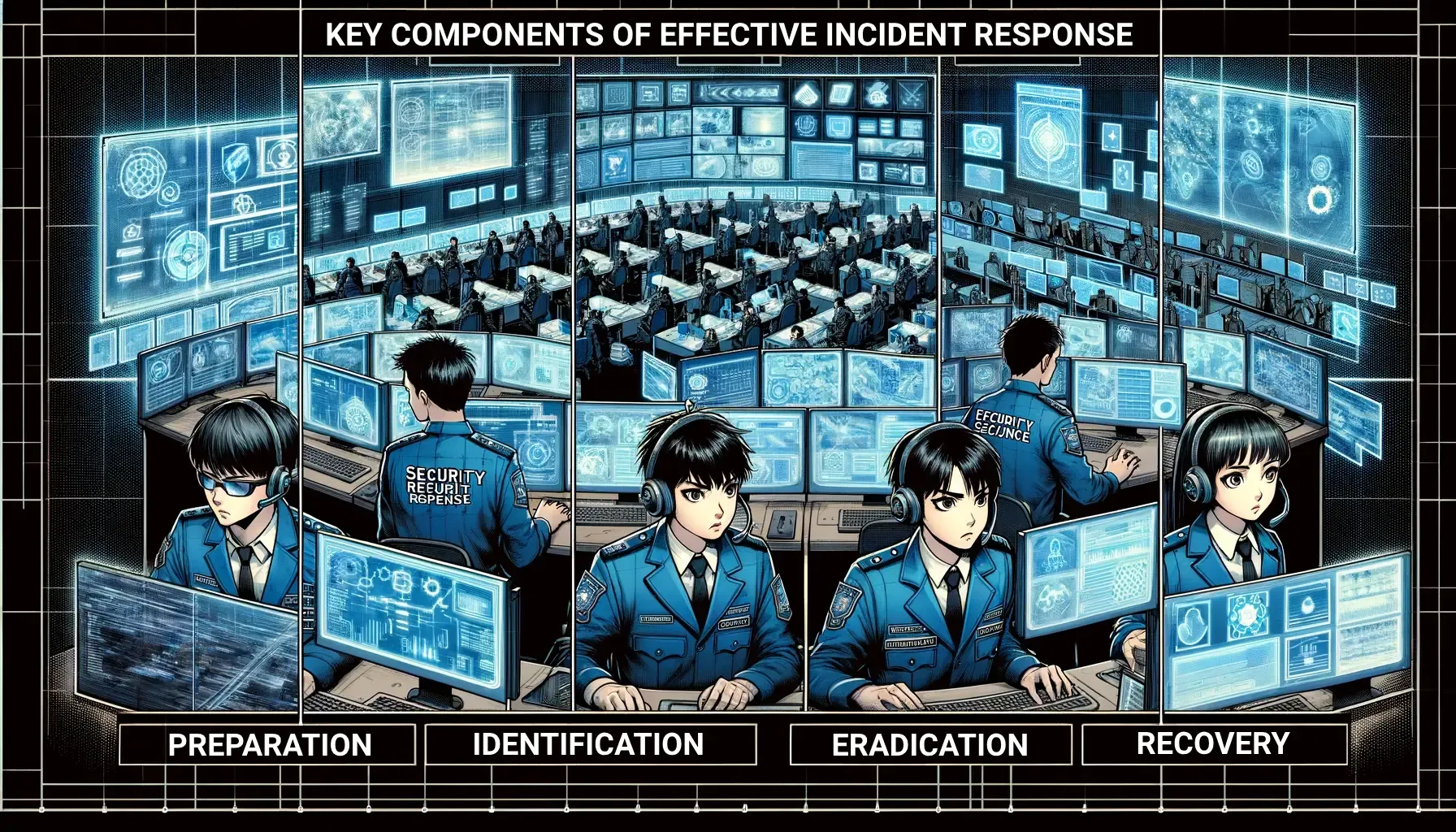
Key Components of an Effective Incident Response Plan
An effective IRP typically contains several key components:
- Preparation: Regular training and drills for response teams.
- Detection and Analysis: Monitoring systems for potential incidents.
- Containment: Steps to limit the spread of the incident.
- Eradication: Removing the cause of the breach.
- Recovery: Restoring systems to normal operations.
- Post-Incident Review: Analyzing the response for lessons learned.
Conclusion
In conclusion, incident response plans play a pivotal role in safeguarding organizations from cyber threats. As attacks become more sophisticated, the importance of having a comprehensive IRP only grows. Businesses must prioritize developing and continually updating their incident response strategies to protect their data assets and maintain trust with stakeholders. The future of cybersecurity depends significantly on how effectively we can respond to incidents as they arise.