
Importance of School Delayed Openings
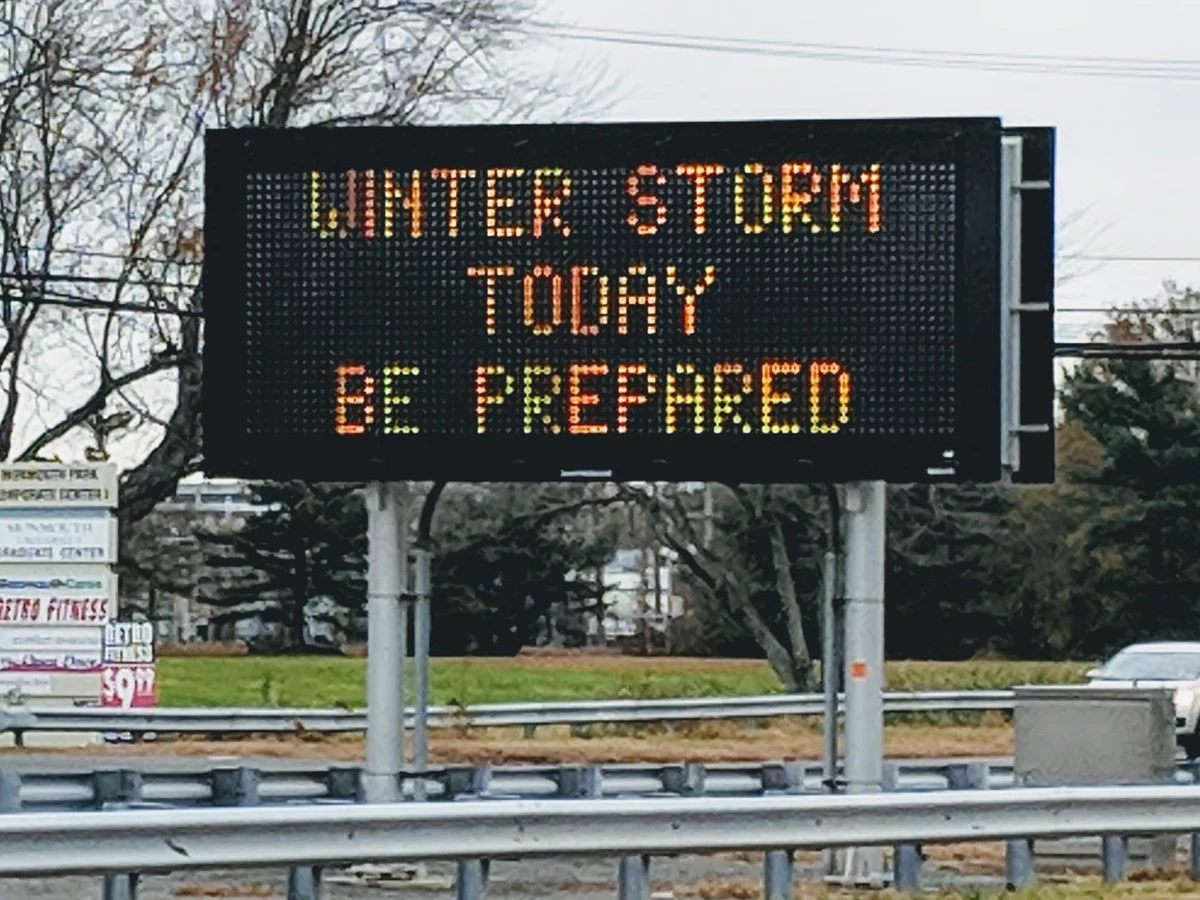
As winter approaches in New Jersey, the phenomenon of school delayed openings becomes increasingly relevant for students, parents, and school authorities. Delayed openings are instituted primarily due to adverse weather conditions, such as snowstorms or icy roads, which can pose safety risks for transportation and commuting. These delays not only affect the schedule of school activities but also significantly impact parents’ daily routines and work commitments.
Recent Events on NJ School Delayed Openings
This past week, several New Jersey school districts, including those in Bergen and Morris counties, announced delayed openings due to a forecast of snow and freezing temperatures. The National Weather Service reported accumulations of snow ranging from one to three inches in some areas, prompting the districts to take precautionary measures to ensure student safety.
Local school officials cited that the decision for delayed openings typically follows thorough discussions with transportation departments and meteorologists. For instance, the Parsippany-Troy Hills School District declared a two-hour delay for its schools, allowing time for road crews to clear snow and for temperatures to rise slightly for safe travel.
Impact on Students and Families
The impact of these delays stretches beyond just the school day. Many parents scramble to adjust their schedules, with some opting for alternative childcare arrangements or requesting time off work. During a recent delayed opening, feedback on social media highlighted a mix of concern for safety and the inconvenience of sudden changes to daily plans. The New Jersey Education Association emphasizes the need for clear communication from schools about delays, advising parents to stay updated through school websites and local news outlets.
Conclusion and Looking Ahead
As winter weather patterns become more unpredictable, New Jersey schools must weigh the need for educational continuity against the necessity of student safety. It’s essential for families to remain informed about potential delays and to have contingency plans in place. Educational officials advise maintaining an open line of communication, so parents and students understand the reasoning behind these decisions.
Looking ahead, the Town Hall meetings scheduled for next month are expected to address not only school safety during winter conditions but also the planning needed to handle delayed openings better in future seasons. With the ongoing discussions around school safety, it’s imperative for community members to engage with these conversations for the well-being of families and students alike.