
Introduction
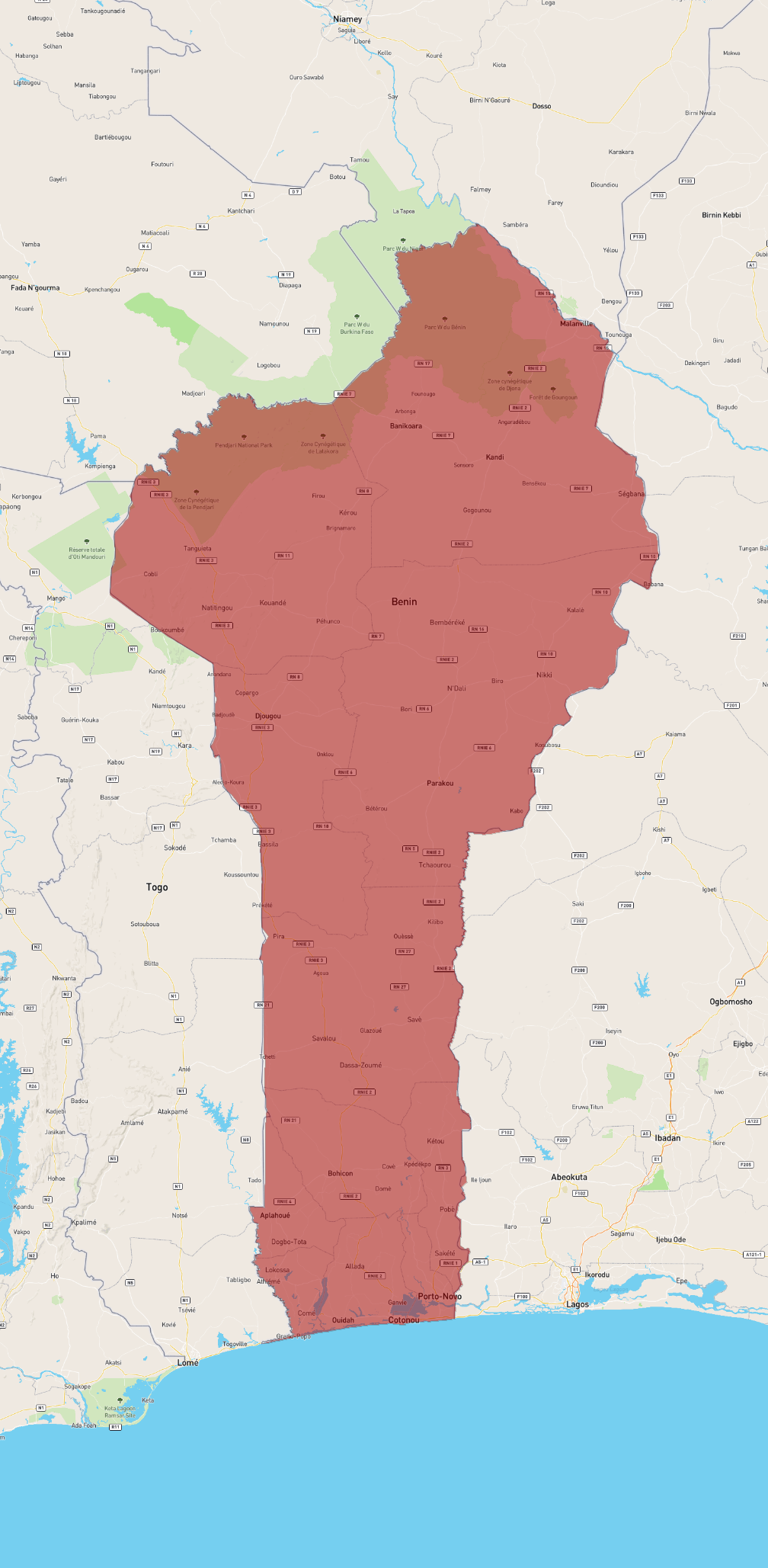
Benin, a small West African nation, has been capturing the attention of travelers and investors alike, thanks to its rich cultural heritage and budding economy. With a diverse history and a strategic location on the coast of the Atlantic Ocean, Benin possesses significant potential for tourism and economic development. Understanding what makes Benin unique is essential as the world increasingly looks towards Africa for fresh opportunities.
Cultural Heritage
Benin is renowned for its vibrant culture, which is deeply rooted in traditions from the ancient Kingdom of Dahomey. The country is home to numerous ethnic groups, each contributing to a colorful tapestry of languages, music, dance, and art. The annual Voodoo Festival, celebrated every January 10th, attracts countless visitors eager to experience the spiritual practices that trace their origins back to the Fon people. Additionally, historical sites such as the Royal Palaces of Abomey, a UNESCO World Heritage site, highlight the architectural splendor and rich history of the kingdom.
Economic Development
In recent years, Benin has made notable strides in its economic landscape, showcasing a remarkable growth trajectory. The country’s GDP growth rate was approximately 7% in 2021, driven largely by the agricultural sector, which employs around 60% of the population. The government continues to push for reforms aimed at improving business environments and attracting foreign investment. Key sectors such as cotton production, tourism, and technology are emerging as crucial contributors to economic development and job creation.
Challenges Ahead
Despite progress, Benin faces several challenges that threaten its Development. Limited infrastructure, issues with governance, and political instability can hinder investment initiatives. Additionally, climate change poses risks to agriculture, an essential part of the economy. However, with the commitment of both governmental and non-governmental organizations towards sustainable development practices, Benin is positioning itself to overcome these challenges.
Conclusion
Benin stands at a crossroads of cultural richness and economic potential. As international interest in the nation grows, it is essential for stakeholders to work together to maximize the benefits of investment while preserving the unique cultural heritage that defines Benin. For travelers, entrepreneurs, and investors, the prospects in Benin are multifaceted, presenting an opportunity to engage with a nation on the rise. With continued international support and a focus on sustainable practices, Benin could emerge as a leading example of progress in West Africa in the coming years.