
Introduction
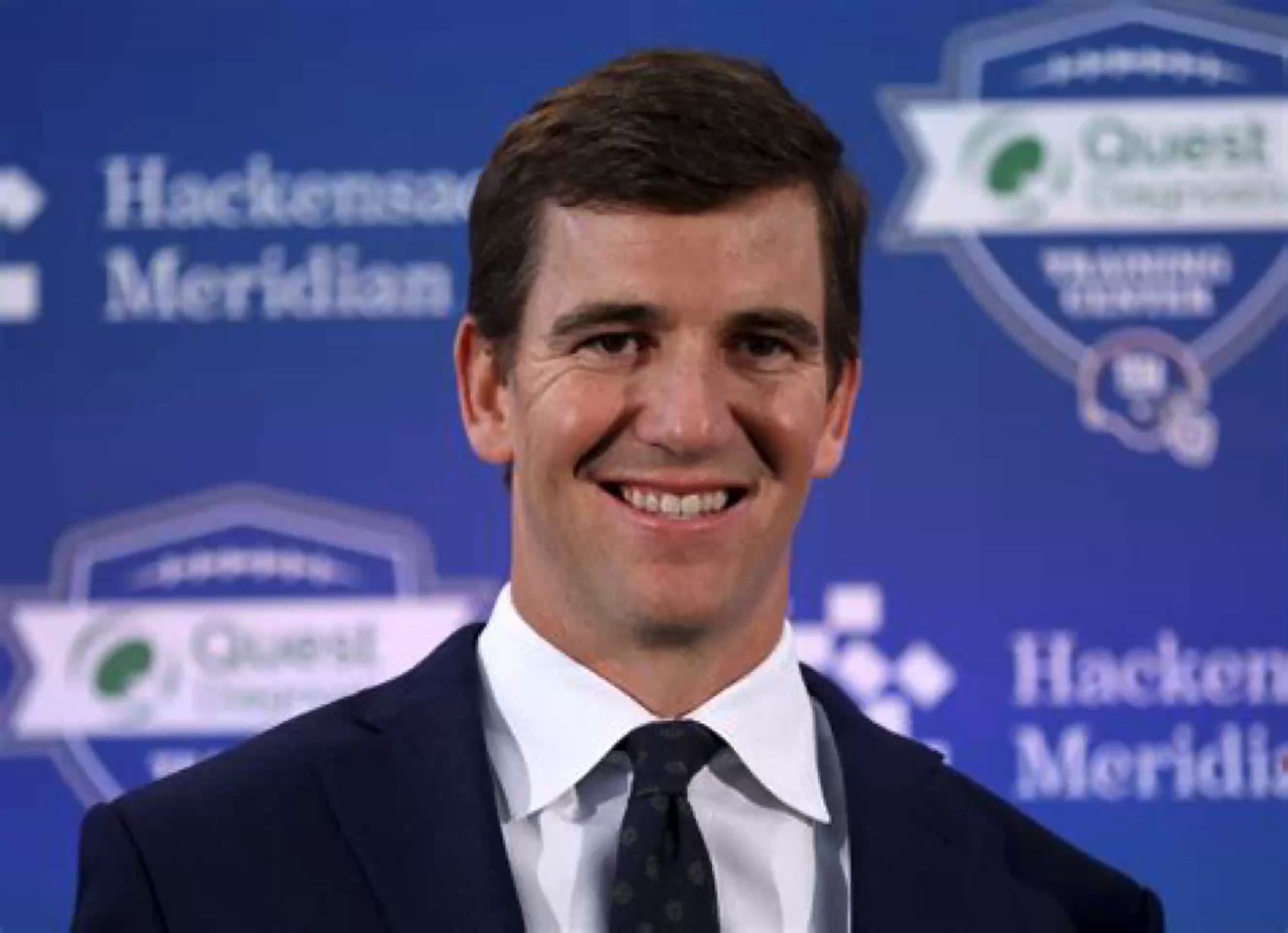
Eli Manning, the former New York Giants quarterback, is known as one of the iconic figures in the NFL. His impressive career showcased not only his talent as a player but also his leadership qualities on and off the field. As Manning steps back from the limelight of professional football, his impact remains highly relevant, especially as younger generations look up to him as a model of sportsmanship and dedication.
Football Career Highlights
Eli Manning was drafted as the first overall pick in the 2004 NFL Draft by the San Diego Chargers but was subsequently traded to the New York Giants. During his tenure with the Giants from 2004 to 2017, he led the team to two Super Bowl victories (XLII and XLVI), both times against the New England Patriots, cementing his legacy as a clutch performer in high-stakes situations. Manning was named Super Bowl MVP in both of those games and set numerous franchise records, including most career passing yards and touchdown passes.
Post-Retirement Activities
Since retiring from football, Manning has remained active in the community, engaging in various philanthropic efforts through the Eli and Abby Manning Foundation. This organization focuses on supporting youth development and education initiatives, reflecting Manning’s commitment to giving back. His philanthropic work has garnered significant attention, as he continues to inspire young athletes and underprivileged communities. Additionally, Manning has involved himself in sports commentary, providing insights as a co-host on ESPN’s ‘Monday Night Football.’
Conclusion
Eli Manning’s legacy goes beyond his records and accolades in the NFL. His contributions to the community and engagement in youth sports present a model for how retired athletes can continue to impact society positively. As he transitions into post-football life, fans and observers will be watching closely to see how he shapes his new role. With his strong background in athletics and philanthropy, Manning’s future endeavors are likely to further enhance his status as a celebrated figure in American sports culture.