
Introduction
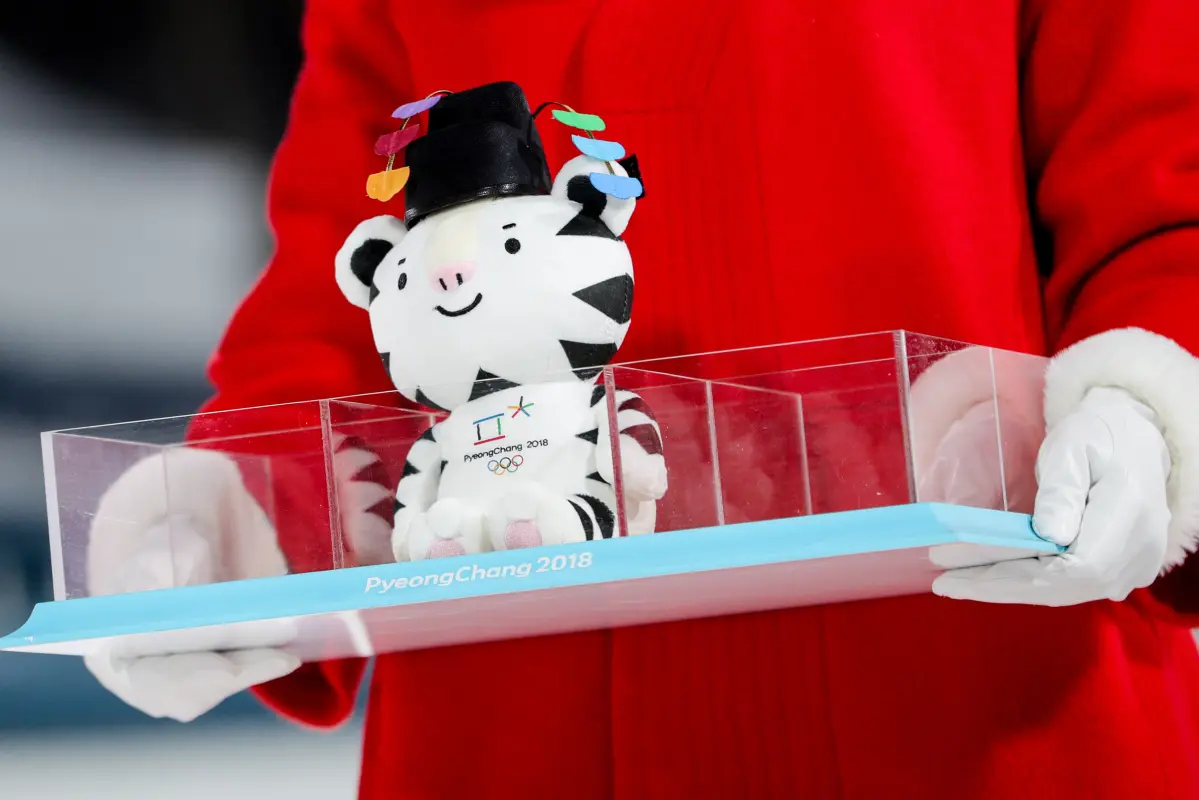
The Olympic Games are not only a showcase of world-class athleticism but also a platform for creativity and culture, exemplified by the beloved tradition of stuffed animals. These mascots serve as symbols of the host nation and bring additional joy to the grand event, making them significant in promoting camaraderie and international understanding among diverse nations.
History of Olympic Mascots
The tradition of Olympic mascots began in the 1968 Winter Olympics in Grenoble, France, with the introduction of a charming snowman named Schuss. Since then, the practice has evolved, with each host city showcasing a unique stuffed animal that reflects their culture and values. The mascots have varied in design and meaning, often representing local wildlife, historical figures, or popular mythological characters.
Current Examples
At the recently concluded Tokyo 2020 Summer Olympics, the mascots were two characters: Miraitowa and Someity. Miraitowa, the blue character, symbolizes the future and hopes for a peaceful world, while Someity, the pink mascot, draws inspiration from cherry blossoms and represents strength in adversity.
This year’s Winter Olympics, set to be held in Beijing in 2022, have already revealed their mascot, Bing Dwen Dwen, a panda dressed in a high-tech suit. The panda, as China’s national animal, signifies friendship, peace, and good fortune, reinforcing the values of the Olympic spirit.
Significance of Stuffed Animals
Stuffed animal mascots play vital roles during the Olympic Games, acting as ambassadors that can connect people of all ages and backgrounds. They often become collectibles, with enthusiasts eagerly purchasing plush versions to commemorate the games. They also help in the promotion of various events, draw attention to the host city’s culture, and create lasting memories for visitors.
Conclusion
In conclusion, the stuffed animals at the Olympics represent more than mere toys; they embody the spirit of unity, peace, and celebration. As future Olympics approach, fans can look forward to seeing how each host city will continue this endearing tradition that not only captivates hearts but also engages people worldwide in the Olympic movement. The upcoming events will likely see even more innovative and culturally-rich mascots, enriching the experiences of athletes and spectators alike.