
Importance of the Bottled Water Microplastic Study
The proliferation of bottled water consumption has brought attention to health concerns related to microplastics. Recent studies, including the one conducted by the Global Institute for Water Quality, have revealed alarming levels of microplastic contamination in bottled water brands worldwide. Understanding the impact of these findings is crucial for consumers, regulators, and the environment.
Study Highlights
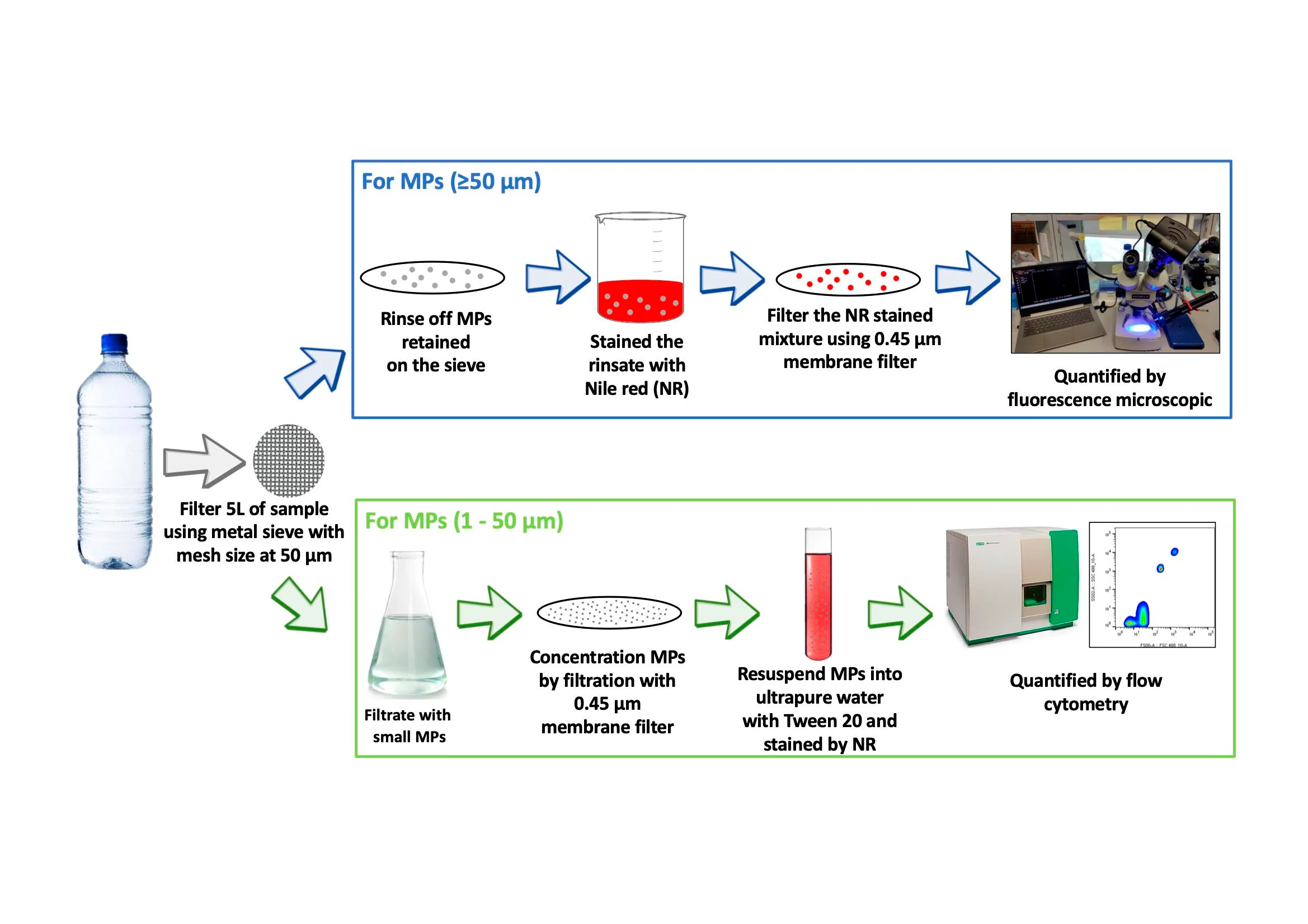
The study analyzed over 250 bottled water samples from various brands across the globe. Results showed that approximately 93% of the tested bottles contained microplastics, with an average of 325 particles per liter. The most commonly found microplastic types included polypropylene and polyethylene terephthalate (PET), which are prevalent in the manufacturing of plastic bottles.
Health Implications
Microplastics pose potential health risks, but the extent of these risks is still under investigation. Some studies suggest that microplastics can leach chemicals that disrupt hormone function and could lead to various health issues. The World Health Organization (WHO) is currently evaluating evidence on the health effects of microplastics found in drinking water, including bottled water, to provide guidelines for safe consumption.
Regulatory Response
In light of these findings, the issue has prompted health officials and environmental organizations to call for stricter regulations on bottled water quality. Several countries are considering measures to better monitor microplastic levels in bottled water, enhancing label transparency, and promoting alternative packaging methods such as glass or biodegradable options.
Conclusion and Future Outlook
The bottled water microplastic study underscores the urgent need for awareness and action surrounding plastic pollution. As consumers become more informed, there may be a shift in purchasing habits towards eco-friendly alternatives. Furthermore, continued research is needed to understand the long-term implications of microplastics in bottled water on human health and to implement effective solutions. The findings serve as a reminder of our responsibility to mitigate plastic pollution and protect public health.