
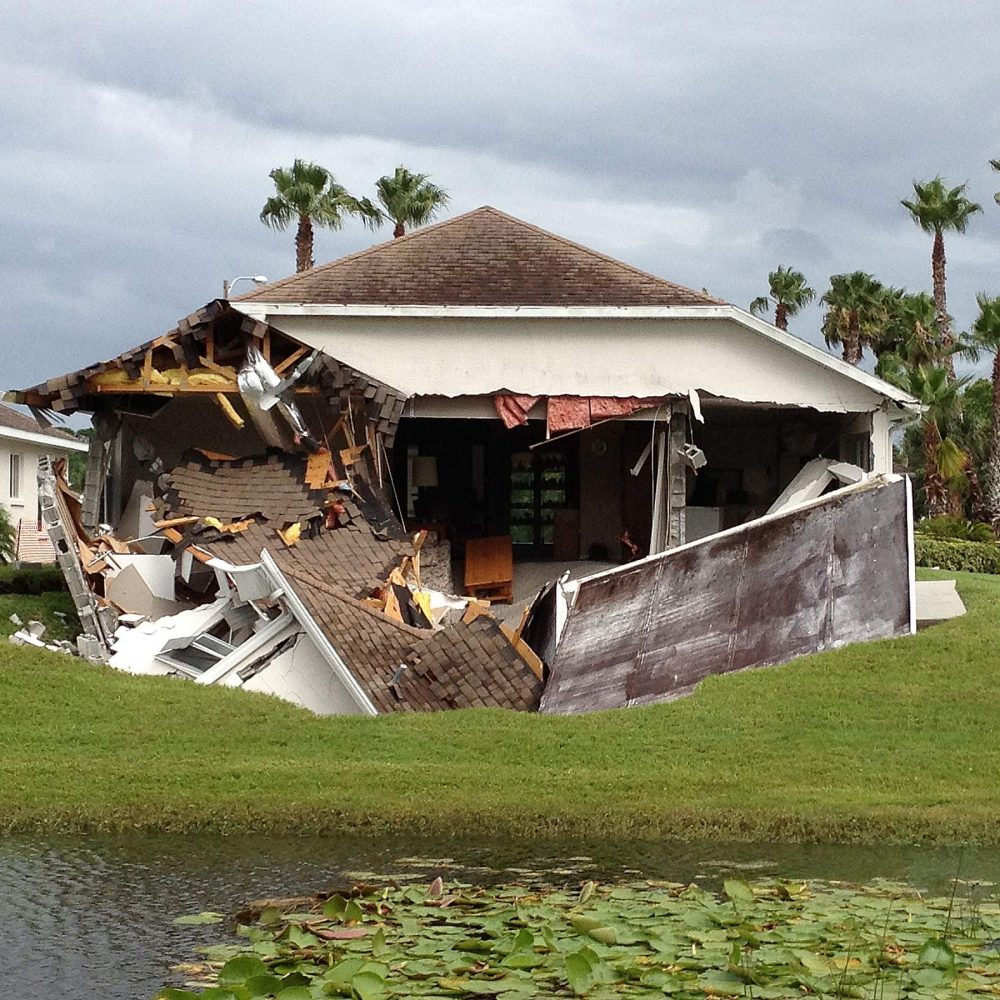
Introduction: The Significance of Sinkholes
Sinkholes, which occur when the ground suddenly collapses, can pose serious threats to both people and infrastructure. In recent years, their frequency and severity have garnered increased attention, especially as urban areas expand into regions prone to such geological events. With larger populations living in close proximity to potential sinkhole hotspots, understanding their causes, impacts, and how to mitigate risks has become more critical than ever.
Recent Events: Notable Sinkhole Incidents
In October 2023, a significant sinkhole opened in downtown San Antonio, Texas, leading to the evacuation of multiple businesses and disrupting traffic for weeks. Spanning over 20 feet in diameter, this sinkhole exposed aged sewer lines and raised alarms about the city’s aging infrastructure. Additionally, another notable incident occurred in Florida, where a sinkhole measuring 50 feet wide swallowed part of a residential property near Orlando, leading to the evacuation of several families. Fortunately, no injuries were reported, but the financial impacts on homeowners are expected to be substantial.
Causes of Sinkholes
Sinkholes are often caused by natural processes, including the dissolution of limestone by acidic groundwater, but human activities can exacerbate these phenomena. Heavy rainfall, construction activities, drilling, and even leaking sewer systems can accelerate the formation of sinkholes. Regions with a high concentration of limestone, like Florida and Texas, tend to be more susceptible to these formations.
Impacts on Communities and Infrastructure
The consequences of sinkholes can be significant, leading to property damage, injury, and even loss of life. Furthermore, the economic implications can be profound, as cities may face costly repairs and infrastructure upgrades. After the San Antonio sinkhole incident, city officials announced a thorough assessment of the surrounding infrastructure, prioritizing repair works to prevent future occurrences. Local businesses that suffered from the evacuation are also seeking assistance to recover from the financial losses incurred during the disruption.
Conclusion: Preparing for the Future
As urban development continues, the potential risk of sinkholes remains a pertinent issue for many communities. City planners, engineers, and environmental experts are increasingly focusing on more sustainable practices, including better drainage systems and monitoring geological conditions to mitigate the risks. Residents living in vulnerable areas are encouraged to stay informed and consider preventative measures, such as regular inspections of their properties. With ongoing public awareness and technological advancements in monitoring, the hope is to reduce the impact and frequency of sinkhole incidents.