
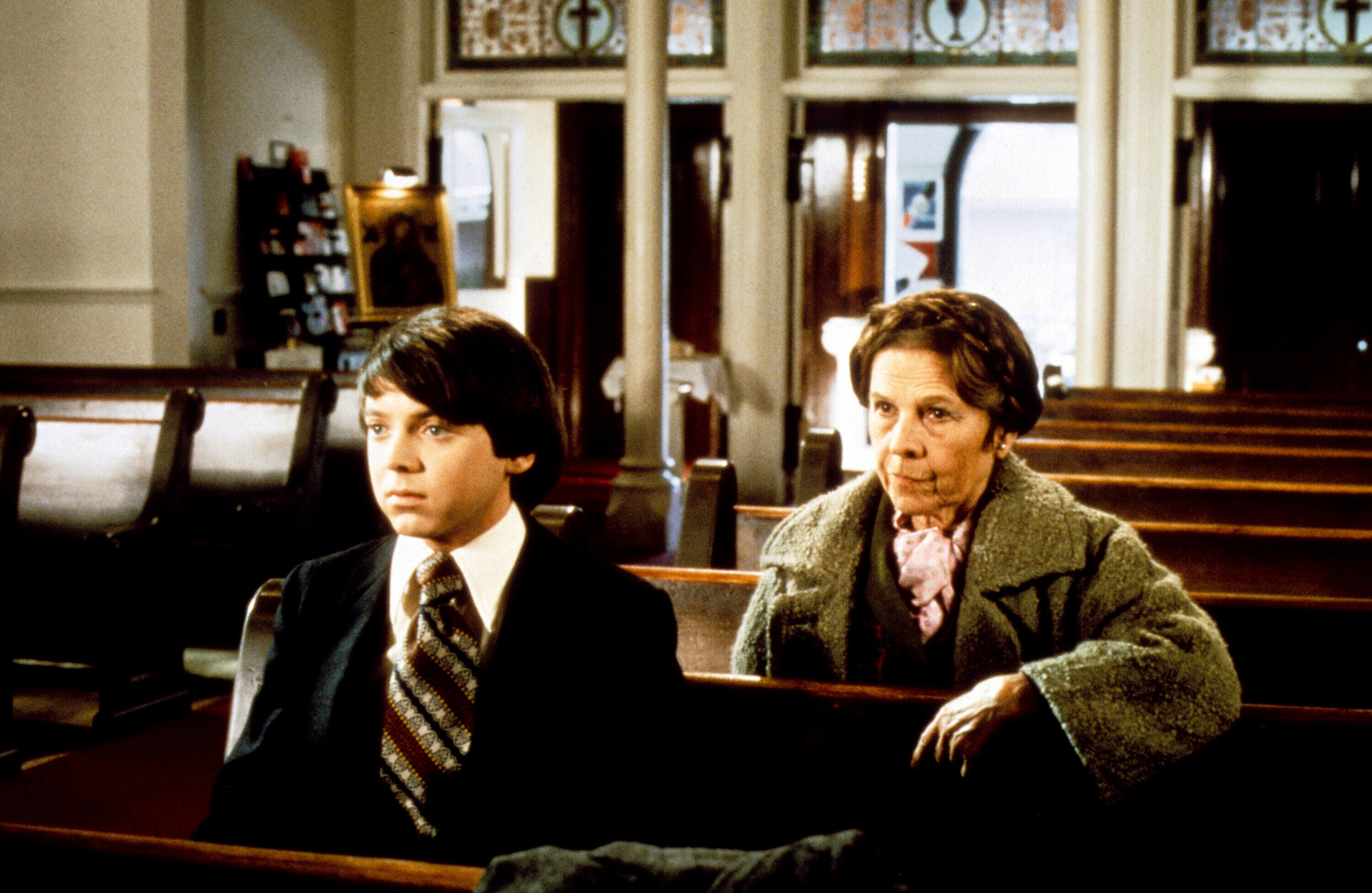
Introduction to Harold and Maude
Released in 1971, ‘Harold and Maude’ is a cult classic film directed by Hal Ashby. The film has garnered a significant following over the decades due to its unconventional approach to love and life. The premise centers around a young man named Harold, who is obsessed with death, and an eccentric older woman named Maude, who celebrates life. This unique dynamic captures themes of mortality, love, and the search for authenticity, making it highly relevant in today’s cultural discourse.
The Impact and Reception of the Film
Upon its release, ‘Harold and Maude’ received mixed reviews, with some critics failing to appreciate its dark humor and unconventional narrative. However, as time passed, the film grew stunningly in popularity, particularly within counterculture movements during the 1970s. Today, it is celebrated for its profound message that highlights the contrast between the absurdities of life and the inevitability of death.
Cultural Relevance and Themes
The themes presented in ‘Harold and Maude’ resonate strongly in contemporary society, where discussions around mental health, societal norms, and the pursuit of happiness have gained prominence. The film challenges traditional relationships and societal expectations, encouraging viewers to reevaluate their perspectives on life choices and relationships. The mantra of embracing life, regardless of its challenges, remains vital to many audiences.
Conclusion: A Lasting Legacy
Decades after its initial release, ‘Harold and Maude’ retains a powerful legacy and is often referenced in various forms of media, including music and literature. Its unique perspective encourages a conversation about life and death that is more relevant than ever in a world facing unprecedented challenges. As we reflect on the film’s themes, it reminds us to embrace the joys of living and love unconditionally, challenging us to find beauty even in the darkest moments.