
Introduction
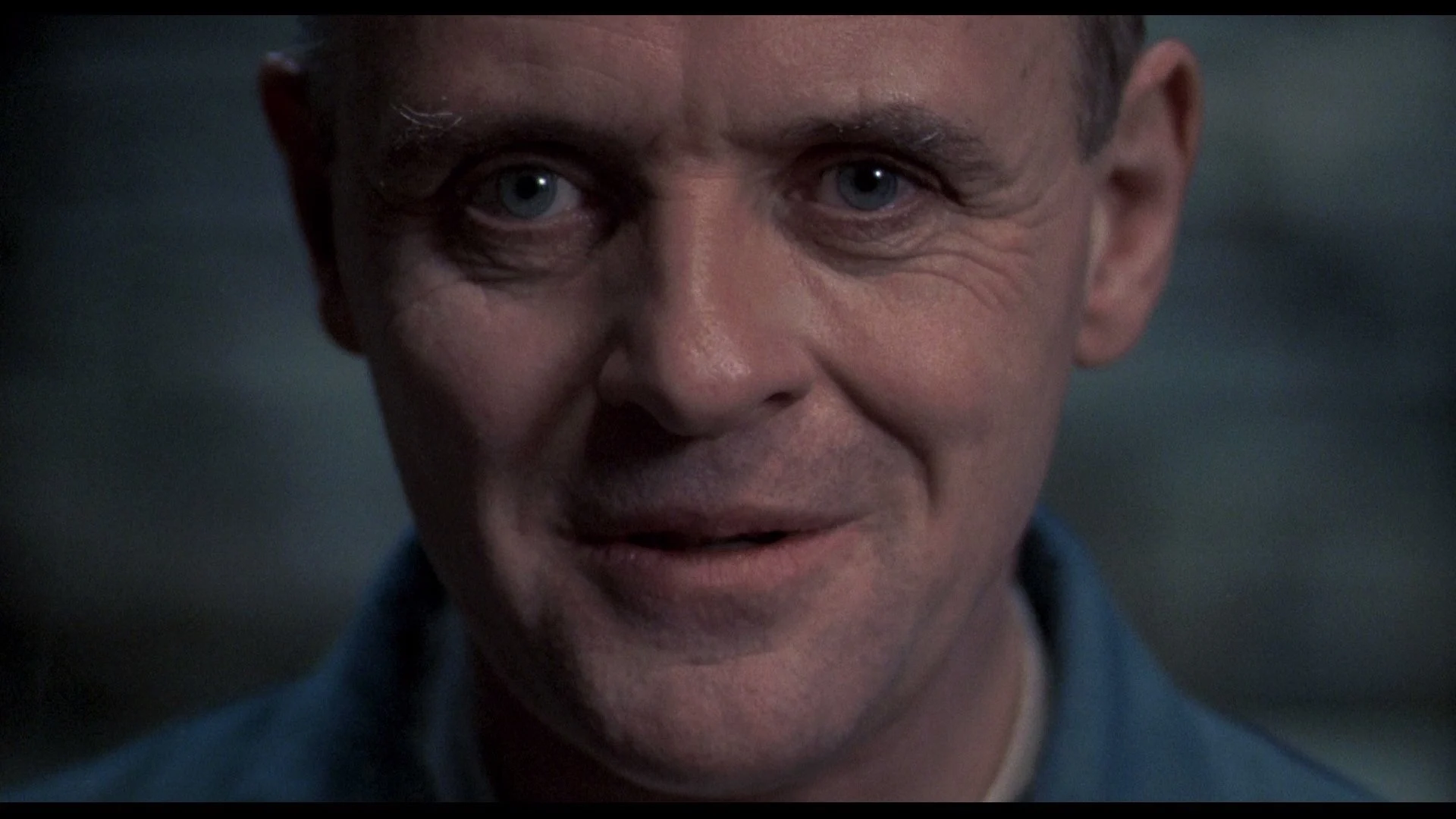
Hannibal Lecter remains one of the most infamous fictional characters in modern literature and film, captivating audiences with his complex personality and unsettling presence. Since his first appearance in Thomas Harris’s 1988 novel ‘The Silence of the Lambs,’ Lecter has become a symbol of the sophisticated killer, representing both horror and intelligence. His character raises important questions about morality, sanity, and the nature of evil, making him a relevant figure in contemporary discussions about crime and psychology.
The Evolution of Hannibal Lecter
Lecter first emerged in Harris’s novels, primarily as a brilliant psychiatrist turned cannibalistic serial killer. His infamous line, “I ate his liver with some fava beans and a nice Chianti,” contributed significantly to his notoriety. Anthony Hopkins famously portrayed Lecter in the Oscar-winning film adaptation of ‘The Silence of the Lambs’ (1991). This portrayal solidified Lecter as an archetype of horror, blending charm, intelligence, and menace. The character’s chilling charisma has since led to numerous adaptations, including the television series ‘Hannibal,’ which further explores his psychological complexity.
Current Representation
The cultural impact of Hannibal Lecter continues to flourish today. The ‘Hannibal’ television series, which aired from 2013 to 2015, received critical acclaim for its artistic storytelling and elaborate character development, delving deeper into Lecter’s psyche and his relationship with FBI agent Will Graham. The older cinematic depictions have resurged in popularity, especially with the advent of streaming services, indicating an enduring fascination with Lecter.
Significance and Today’s Discussions
As we continue to grapple with issues surrounding mental illness and crime, Hannibal Lecter serves as a complex case study. His character encourages audiences to ponder the thin line between genius and madness, inviting discussions on criminal psychology, morality, and ethics. In recent times, there have been analyses connecting Lecter’s behavior to real-world serial killers, igniting debates about how society perceives and reacts to such figures.
Conclusion
The legacy of Hannibal Lecter is far-reaching, transcending literature and film to influence discussions about crime, morality, and the human psyche. As new adaptations and portrayals emerge, the conversation surrounding this iconic character is likely to evolve, revealing deeper insights into the complexities of evil. Lecter will continue to haunt our cultural consciousness, exemplifying how fiction can reflect and amplify our greatest fears and fascinations.