
Introduction
The recent measles outbreak in Wake County, North Carolina, has raised significant concerns among public health officials and the community. With measles being a highly contagious viral disease, the resurgence of cases highlights the importance of vaccination and public awareness. As of mid-October 2023, health authorities have reported multiple confirmed cases, prompting urgent responses from local health departments.
Details of the Outbreak
According to the Wake County Health Department, there have been at least 20 confirmed cases of measles since the outbreak began last month. Most affected individuals were unvaccinated children, and some cases involved adults who had not received the recommended MMR (measles, mumps, and rubella) vaccine. Health officials are currently conducting contact tracing and have urged residents to check their vaccination status, particularly for those who attended local schools or public events from August through early October.
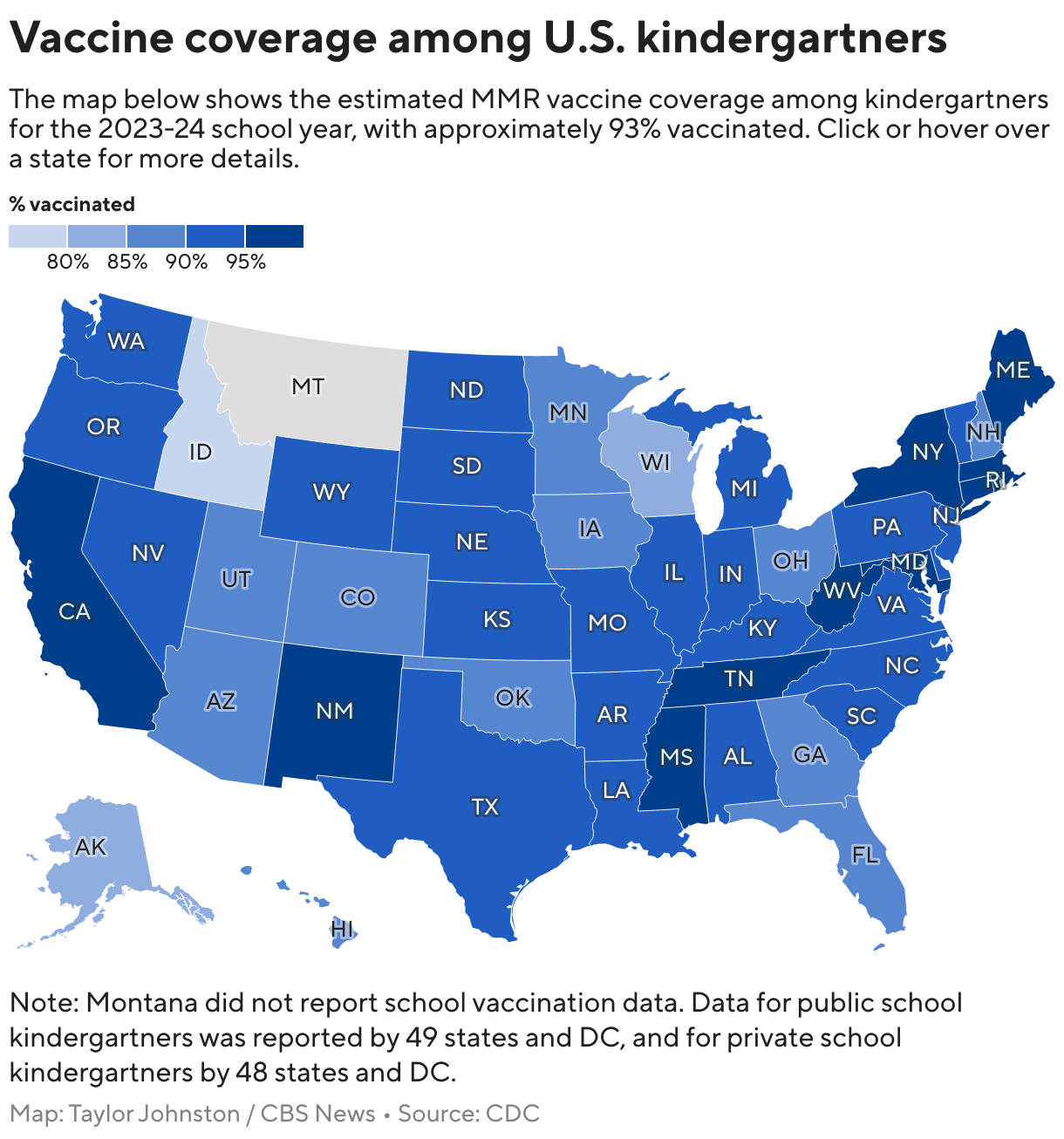
The outbreak’s origins are still under investigation, but health experts point to a growing trend of vaccine hesitancy as a contributing factor. In recent years, CDC data has shown declining MMR vaccination rates across North Carolina, with some communities reporting rates below the herd immunity threshold of 95% necessary to prevent outbreaks.
Public Health Response
In response to the outbreak, health officials have launched a comprehensive campaign to educate the public about the importance of vaccination. Free MMR vaccinations are being offered at various community health centers, and the health department is hosting informational sessions to dispel myths about vaccines. Furthermore, the Wake County school district is coordinating with health officials to address any potential exposure among students and staff.
Conclusion
The Wake County measles outbreak serves as a stark reminder of the importance of vaccinations in protecting public health. Health officials recommend that all individuals, especially those in contact with children, ensure their vaccinations are up to date. As the situation develops, local health authorities continue to monitor the outbreak closely and are committed to preventing further spread. Educating the community and promoting vaccinations are critical in overcoming this public health challenge and avoiding future outbreaks.