
Introduction
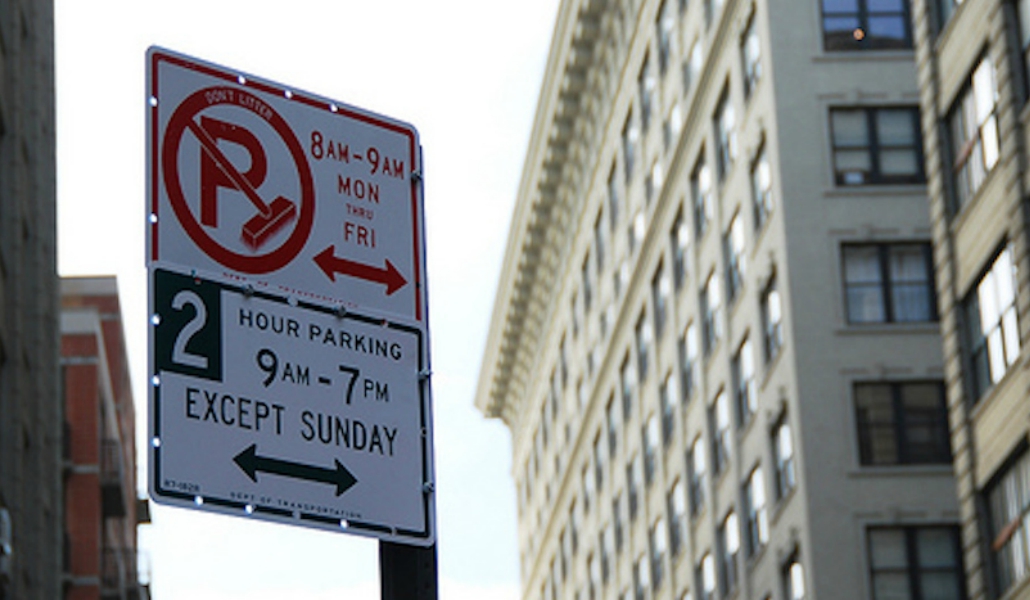
Alternate side parking regulations are a significant aspect of urban life in New York City, aimed at ensuring street cleanliness and efficient snow removal. Each year, approximately 800,000 parking tickets are issued for violations related to these rules, affecting countless drivers. As NYC strives to balance parking availability with cleanliness, understanding these regulations is crucial for both residents and visitors.
What is Alternate Side Parking?
Alternate side parking refers to the practice where drivers must move their vehicles to one side of the street on specified days and times for street cleaning. These regulations are enforced primarily to facilitate sanitation practices, including sweeping debris, leaves, and snow removal. While specific times and guidelines may differ by neighborhood, generally, signs are posted to inform drivers.
Current Regulations and Updates
As of October 2023, the New York City Department of Transportation (DOT) has maintained a consistent schedule for alternate side parking despite previous disruptions caused by the COVID-19 pandemic. Currently, parking regulations are reinstated, with sweeping typically occurring once a week in designated residential areas. Exceptions apply for federal holidays where alternate side parking rules are suspended.
Additionally, NYC has introduced a mobile app to help drivers stay informed of alternate side parking schedules, enabling easier tracking of cleaning times and violation avoidance. This move aligns with the city’s effort to leverage technology for better urban management.
Challenges and Community Reactions
While the program aims to maintain clean streets, community feedback reveals mixed sentiments. Many residents appreciate the cleanliness but express frustration over the frequency of ticketing, especially for those who may not be familiar with the regulations or who have difficulty locating alternates in tightly-packed neighborhoods. Advocacy groups are calling for better public awareness campaigns regarding parking signs and schedules.
Conclusion
In conclusion, alternate side parking regulations in NYC remain a critical component of the city’s infrastructure and public cleanliness efforts. As the city continues to adapt, both technology and community engagement are essential to improving the experience for drivers. Moving forward, consistent communication and education about these rules will help prevent frustration and enhance urban living for New Yorkers. Whether you live in the city or are visiting, being aware of these regulations can save time and avoid unnecessary fines.