
Introduction
Shanghai, the most populous city in China, has become a key player on the global stage, influencing culture, economy, and urban development. With a population exceeding 24 million, this bustling metropolis serves as a financial hub and a melting pot of innovation and tradition. Understanding Shanghai’s evolution is crucial for grasping the broader trends in urbanization and economic development.
Economic Significance
As China’s largest city, Shanghai is not only a financial powerhouse but also a major global trade center. The Shanghai Stock Exchange, the world’s fourth-largest, is a testament to its financial clout. In 2022, Shanghai’s GDP reached approximately $632 billion, showcasing its rapid economic recovery from the pandemic. The city’s strategic location along the Yangtze River Delta facilitates trade, making it a vital point for international shipping and logistics.
Urban Development and Innovation
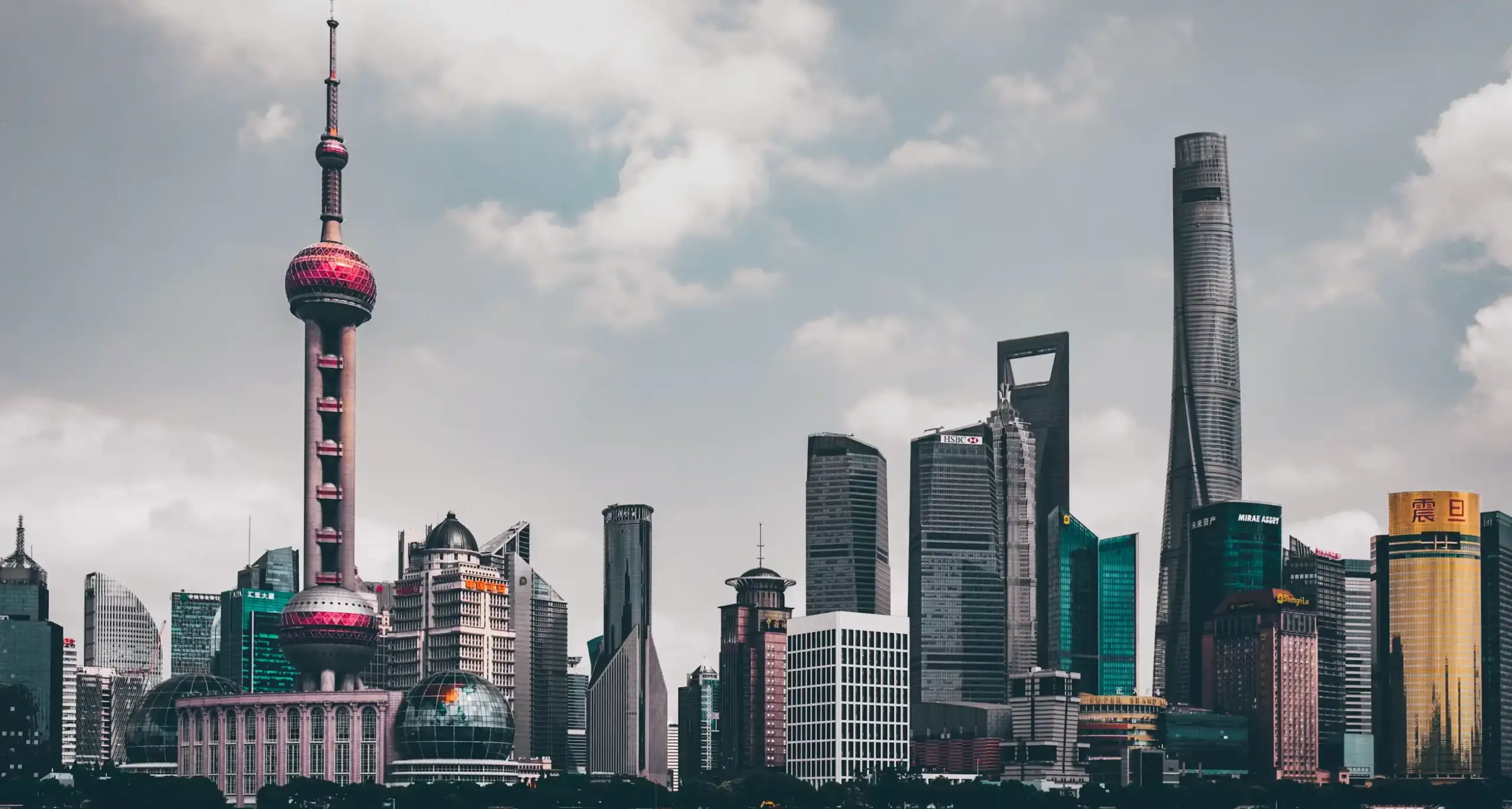
Shanghai is emblematic of modern urban design, with its skyline dominated by architectural wonders such as the Oriental Pearl Tower and the Shanghai Tower. Recent urban initiatives include smart city technologies, integrating digital solutions to improve public services, traffic management, and environmental sustainability. For instance, the city plans to implement a comprehensive smart traffic system by 2025, aiming to reduce congestion and enhance public transportation efficiency.
Culture and Lifestyle
Shanghai is a vibrant cultural hub, blending historic traditions with contemporary life. Renowned districts like The Bund and Pudong showcase the city’s rich heritage alongside its modern persona. The annual Shanghai International Film Festival and the Shanghai Art Fair highlight the city’s role in the global cultural scene. Moreover, Shanghai is known for its culinary diversity, offering a fusion of traditional Shanghainese cuisine and international flavors.
Challenges Ahead
Despite its advancements, Shanghai faces challenges such as pollution, housing affordability, and social inequality. The local government has initiated various programs to tackle these issues, including sustainable development projects and investments in public housing. However, balancing rapid growth with quality of life for residents remains a critical challenge for city planners.
Conclusion
In summary, Shanghai stands as a testament to the dynamism of urban life and economic development. As it continues to evolve, the city not only shapes the paths of its inhabitants but also influences global trends in finance, culture, and sustainability. The future of Shanghai will undoubtedly be closely watched as it navigates the complexities of modernization while retaining its unique identity.