
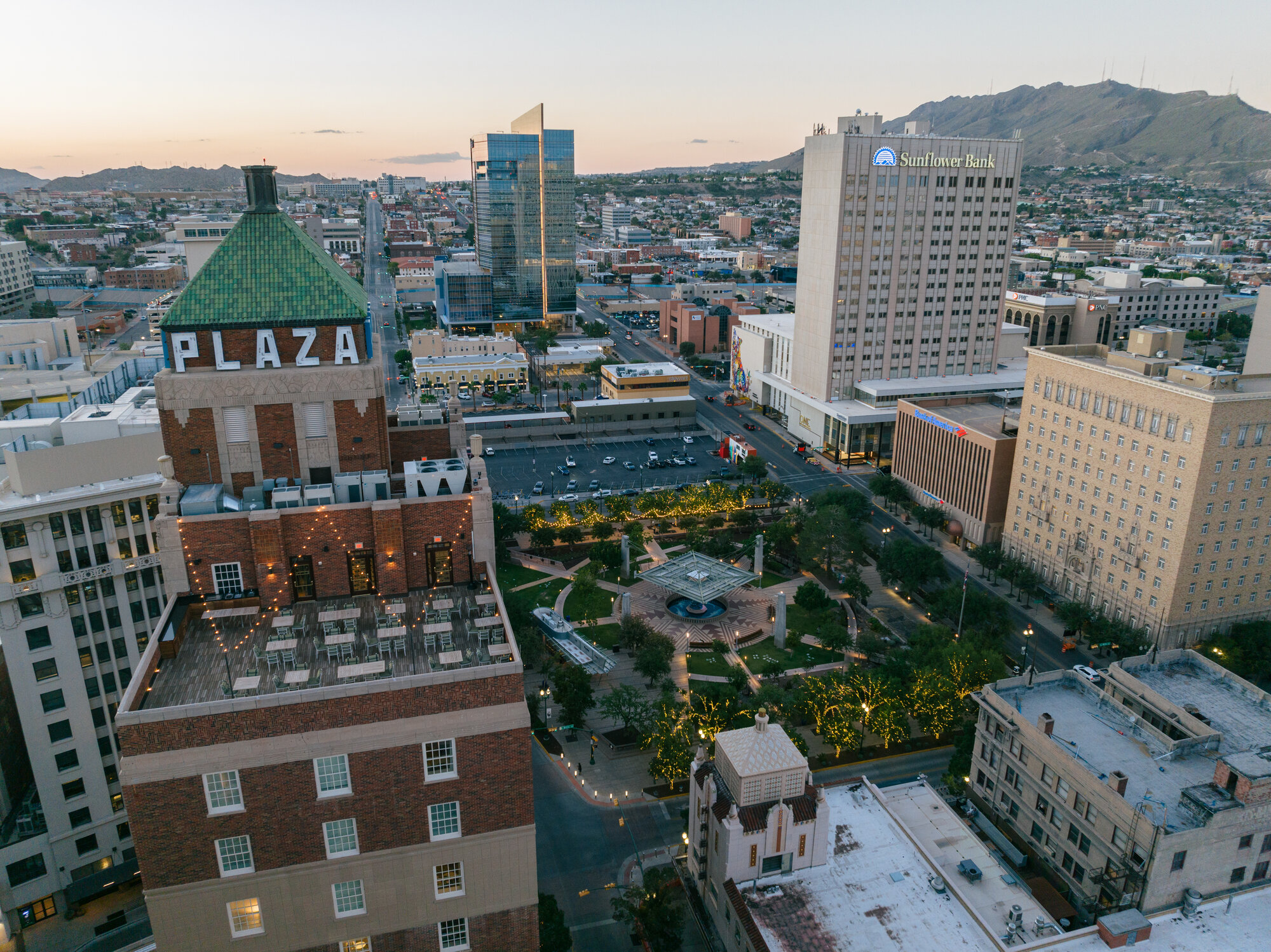
Introduction to El Paso
El Paso, Texas, located on the U.S.-Mexico border, is a vibrant city marked by its unique cultural blend and historical significance. With a population of over 680,000 residents, it serves as a crucial logistical hub and cultural epicenter, representing a fusion of American and Mexican influences. Understanding El Paso’s significance not only highlights its role in regional economics but also its evolving cultural landscape.
Geographical and Demographic Overview
El Paso is situated in the far western region of Texas, directly across the border from Juárez, Mexico. This geographical positioning has shaped the city into one of the largest international bridges, facilitating commerce and cultural exchange. The city demographics are predominantly Hispanic, contributing to its rich cultural heritage. According to the U.S. Census Bureau, El Paso’s Hispanic community makes up approximately 82% of the population, fostering a vibrant environment of traditions, festivals, and culinary delights.
Economic Importance and Growth
The economic landscape of El Paso is diverse, strengthened by industries such as manufacturing, trade, and services. Notably, the Maquila industry in Juárez has a significant impact on El Paso’s economy, with many businesses relying on cross-border production methods. Recently, the city has seen growth in the technology sector and healthcare, with initiatives aimed at attracting new investments. The ongoing development of the El Paso International Airport and the expansion of the Borderplex Alliance reflect regional ambitions to enhance economic opportunities.
Cultural Highlights and Attractions
El Paso is home to numerous cultural landmarks and events that showcase its rich history. The El Paso Museum of Art and the historical Mission Trail, which features several 18th-century missions, attract visitors year-round. Furthermore, events like the El Paso Las Cruces Food Show and the annual Sun City Music Festival emphasize the city’s appreciation for culinary and artistic expression. Additionally, the city’s proximity to natural wonders such as the Franklin Mountains State Park enriches the outdoor lifestyle of its residents.
Conclusion: A City with a Bright Future
El Paso stands as a testament to the resilience and adaptability of a city shaped by various cultural forces and economic challenges. As it continues to evolve, the potential for growth remains robust. Efforts towards urban development, investment in technology, and celebration of its rich heritage suggest a promising future. For residents and visitors alike, El Paso offers a unique blend of tradition, hospitality, and opportunity, making it a worthy destination and a compelling narrative of American identity.