
Introduction
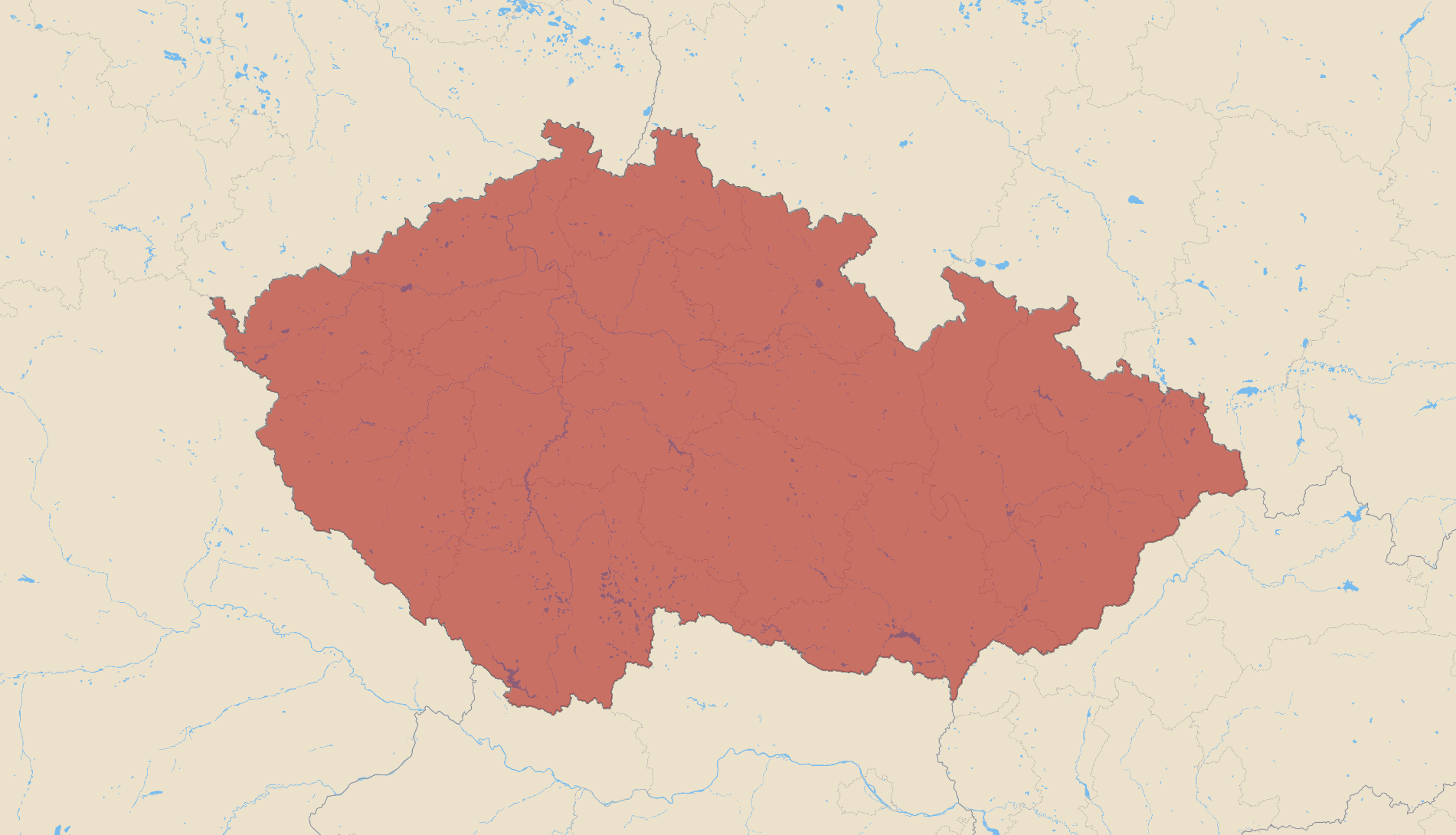
The Czech Republic, located in the heart of Central Europe, has gained recognition for its rich history, stunning architecture, and vibrant culture. As a member of the European Union since 2004, it stands as a significant player in the region, attracting tourists and scholars alike with its unique offerings and historical relevance. Understanding the Czech Republic’s heritage, economy, and current events is essential for anyone interested in European political and cultural dynamics.
Historical Background
The Czech Republic’s history dates back to the establishment of the Great Moravian Empire in the 9th century. It emerged as a kingdom in the 10th century and continued to flourish throughout the Middle Ages. The country has seen substantial turbulence through the centuries, including periods under Austro-Hungarian rule, followed by independence in 1918. The 20th century brought further transformation with the division of Czechoslovakia in 1993, leading to the formation of the modern Czech Republic.
Current Events and Culture
As of 2023, the Czech Republic is notable for its proactive role in European affairs, particularly concerning energy security and environmental issues. Recently, the country has been central to discussions on transitioning away from fossil fuels, focusing on renewable energy sources. Culturally, the Czech Republic boasts a rich tradition in literature, music, and arts, with famous figures such as Franz Kafka and Antonín Dvořák hailing from this region.
The capital city, Prague, known for its medieval architecture and historical landmarks such as Prague Castle and Charles Bridge, continues to be a focal point for tourism, drawing millions of visitors every year. Recent data from the Czech Statistical Office indicated a 15% increase in tourism between 2022 and 2023, highlighting the city’s resilience in the post-pandemic travel recovery.
Conclusion
In conclusion, the Czech Republic remains a cornerstone of Central European culture and politics. Its historical depth, combined with its modern advancements, positions it uniquely on the European stage. For readers, understanding the developments in the Czech Republic sheds light on the larger narrative of Europe’s current political and cultural landscape, forecasting continued growth and significance in the years to come. As the country strives for innovation while preserving its rich heritage, the world will be watching its next moves closely.