
Introduction
Flu season is upon us, making awareness of flu symptoms crucial for public health. Influenza is not just a common cold; it can lead to serious complications, especially in vulnerable populations such as the elderly, children, and those with pre-existing health conditions. Recognizing the symptoms early can aid in prompt medical care and prevent further spread of the virus.
Main Body
Common Symptoms of Influenza
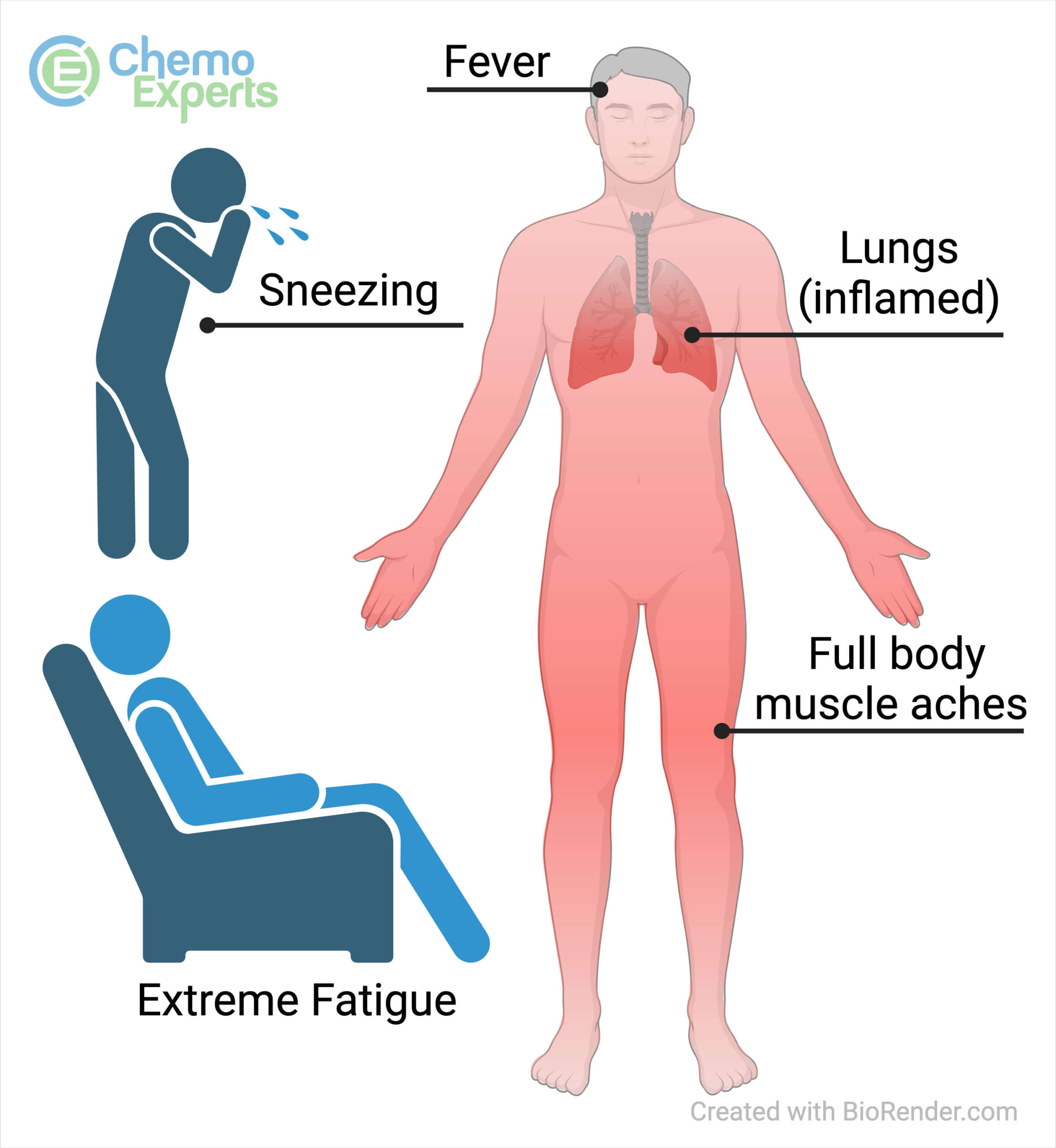
The flu typically presents with a sudden onset of symptoms. Common signs include:
- High fever (above 100°F)
- Chills and sweats
- Cough
- Sore throat
- Runny or stuffy nose
- Muscle or body aches
- Fatigue
- Headaches
- Gastrointestinal symptoms (in some cases)
It’s important to note that not everyone with the flu will experience all these symptoms. Some might only have a cough and body aches, while others may have a more severe experience with high fevers and extreme fatigue.
Comparing Flu and COVID-19 Symptoms
Many people are still confused about the differences between flu and COVID-19 symptoms. While both illnesses can share similar symptoms like cough, fever, and fatigue, COVID-19 may also present with loss of taste or smell, which is not typical of the flu. The presence of gastrointestinal symptoms appears to be more common with COVID-19 as well. Testing is vital for accurate diagnosis.
When to Seek Medical Attention
If you experience flu symptoms, it’s essential to monitor your condition closely. Seek medical attention if you face difficulties breathing, chest pain, severe dizziness, confusion, or persistent vomiting. Children exhibiting severe symptoms (e.g., high fever, dehydration) should also be taken to a healthcare provider immediately.
Preventative Measures
The best defense against the flu is vaccination, which is recommended annually. Other preventative measures include practicing good hygiene, such as frequent handwashing, avoiding close contact with sick individuals, and covering your mouth when sneezing or coughing.
Conclusion
Understanding flu symptoms is essential for everyone, as early recognition can lead to better health outcomes and reduce the risk of spreading the flu to others. With the ongoing challenges of respiratory viruses in recent years, staying informed and taking preventative measures will be critical. Flu season highlights the importance of public health practices that can safeguard high-risk populations and enhance overall community wellness.