
Introduction
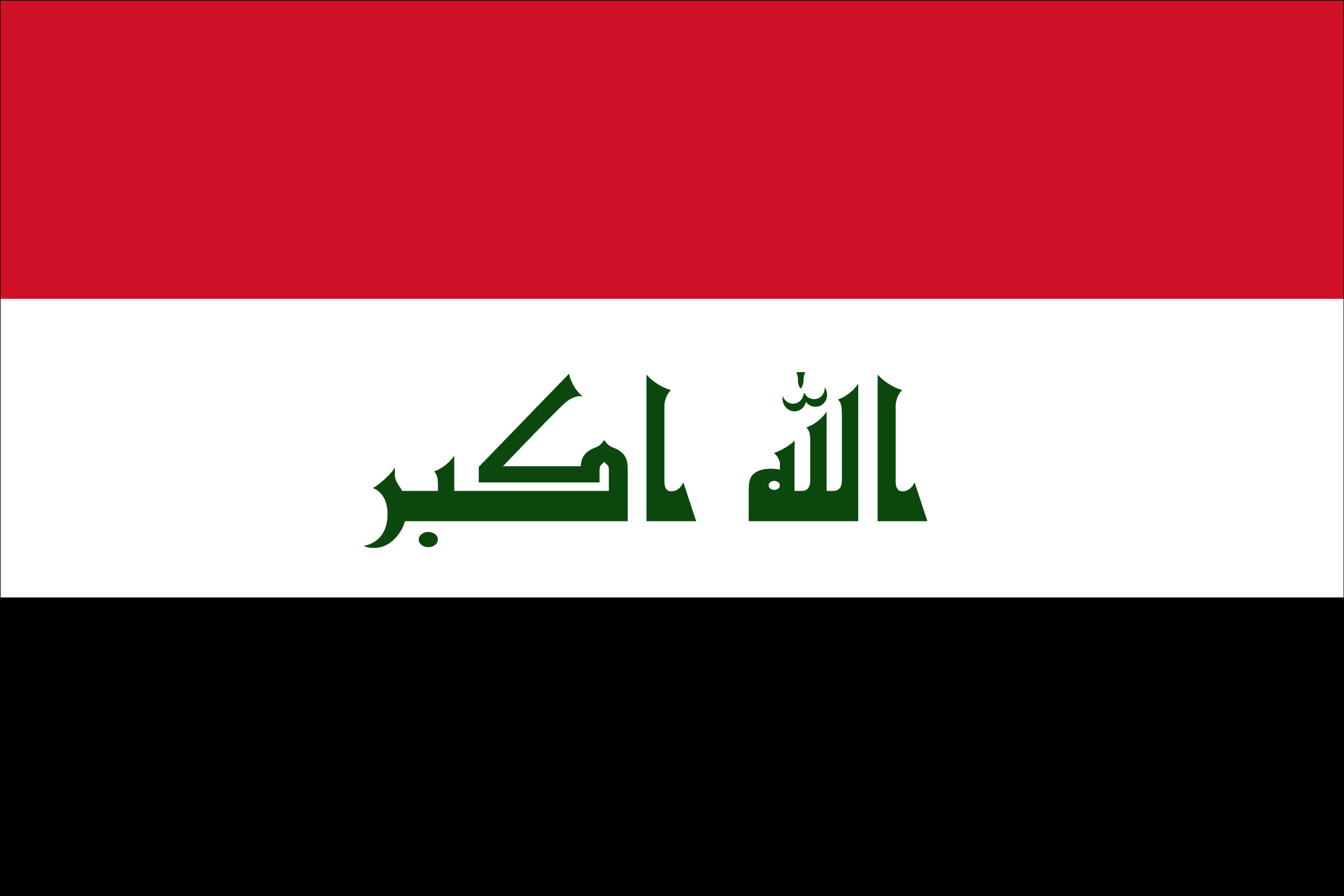
The nation of Iraq, a country rich in history and cultural heritage, is currently navigating complex political landscapes and societal challenges. The importance of understanding Iraq’s current events lies in its geopolitical significance in the Middle East, resource management, and international relations. As Iraq continues to recover from years of conflict, the stability and progression of this nation directly impact regional dynamics and global economic interests.
Political Landscape
As of October 2023, Iraq’s political environment remains turbulent but progressive. The recent parliamentary elections held in July 2022 resulted in a coalition government led by Prime Minister Mohammed Shia’ Al-Sudani from the Coordination Framework. These elections were necessary for governmental stability, as they followed a period of protests and discontent against political corruption and ineffectiveness that erupted in late 2019.
Since assuming office, Al-Sudani has focused on reforming the public sector, improving infrastructure, and ensuring better health services. However, challenges remain as various political factions in the Iraqi parliament grapple for influence, often leading to deadlock on crucial issues like the national budget and security policies.
Security Issues
On the security front, Iraq continues to face threats from remnants of ISIS, despite territorial victories over the extremist group in previous years. Recent reports indicate a resurgence of violence, especially in northern and western regions, as ISIS operatives exploit gaps in security. The Iraqi government is keen on bolstering its security forces and cooperating with international allies, particularly the United States, to counter these threats effectively.
Social Changes and Human Rights
Societally, Iraq is experiencing gradual transformation, particularly in areas of human rights and societal freedoms. Women’s rights groups are gaining momentum, pushing for better legal protections and representation. Activists have highlighted the importance of providing young people with more opportunities to participate in governance and social spheres to prevent further disenchantment.
Conclusion
In conclusion, Iraq stands at a crossroads marked by its tumultuous past and hopes for the future. The current political shifts, ongoing security threats, and evolving societal dynamics suggest that while challenges abound, there is also room for progress and change. The next few years will be crucial in determining how Iraq navigates its internal affairs and external relations, shaping not only the nation’s future but potentially influencing the entire Middle Eastern landscape. For observers and stakeholders, staying informed about Iraq’s developments will be vital in understanding regional stability and growth.