
Introduction
Chinese New Year, also known as the Spring Festival, is one of the most significant celebrations in Chinese culture. It marks the beginning of the lunar new year and typically falls between January 21 and February 20, depending on the lunar calendar. This festival is vital not only for those in China but also for millions of Chinese communities worldwide, emphasizing themes of family reunions, cultural heritage, and renewal.
Traditions and Celebrations
As we approach Chinese New Year 2024, which will be celebrated on February 10, families are busy preparing for this important holiday. According to ancient traditions, various activities take place to usher in good fortune and happiness for the upcoming year. One of the most cherished practices is the reunion dinner on New Year’s Eve, where families come together to share a meal and celebrate.
Decorations play a crucial role during this festive period. Homes are often adorned with red lanterns, couplets, and paper cuttings, symbolizing luck and prosperity. The color red is predominant, as it is believed to ward off evil spirits and bring good luck. People also clean their homes before the celebrations to sweep away misfortune and make room for incoming luck.
Community Events
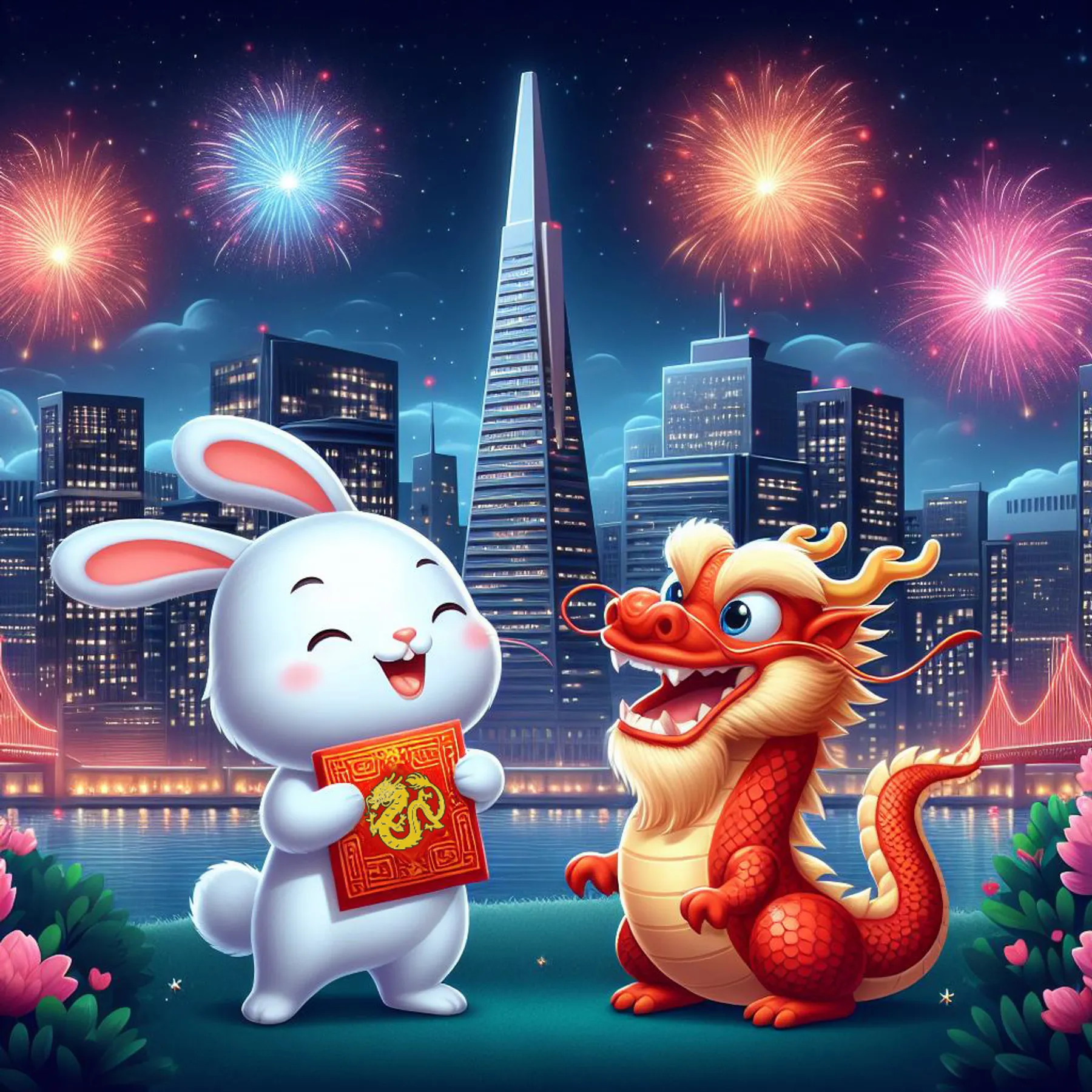
Public celebrations include parades showcasing dragon and lion dances, which signify strength and good luck. Fireworks and firecrackers are also a tradition, believed to scare away evil spirits and welcome the new year with joy. In major cities around the world, such as New York and San Francisco, Chinese New Year parades attract thousands of spectators each year, filling the streets with vibrant colors and festive music.
Conclusion
Chinese New Year is more than just a festive occasion; it represents a deep cultural significance that strengthens family bonds and preserves traditions. As 2024 approaches, communities will engage in these meaningful customs, reminding us of the importance of unity and hope for the future. With the continuing globalization of these celebrations, there is an increasing recognition of Chinese New Year as a time for cultural exchange and understanding, fostering goodwill among diverse populations. These practices will undoubtedly continue to evolve, enriching the traditions for future generations.