
Introduction
The God of War franchise has become one of the most recognized and beloved series in the gaming industry since its debut in 2005. Known for its captivating storytelling, stunning visuals, and intense combat mechanics, the series has redefined action-adventure gaming. As new titles are released, the relevance of God of War continues to resonate with both new gamers and long-time fans, making it a critical topic for gaming discussions.
The Evolution of God of War
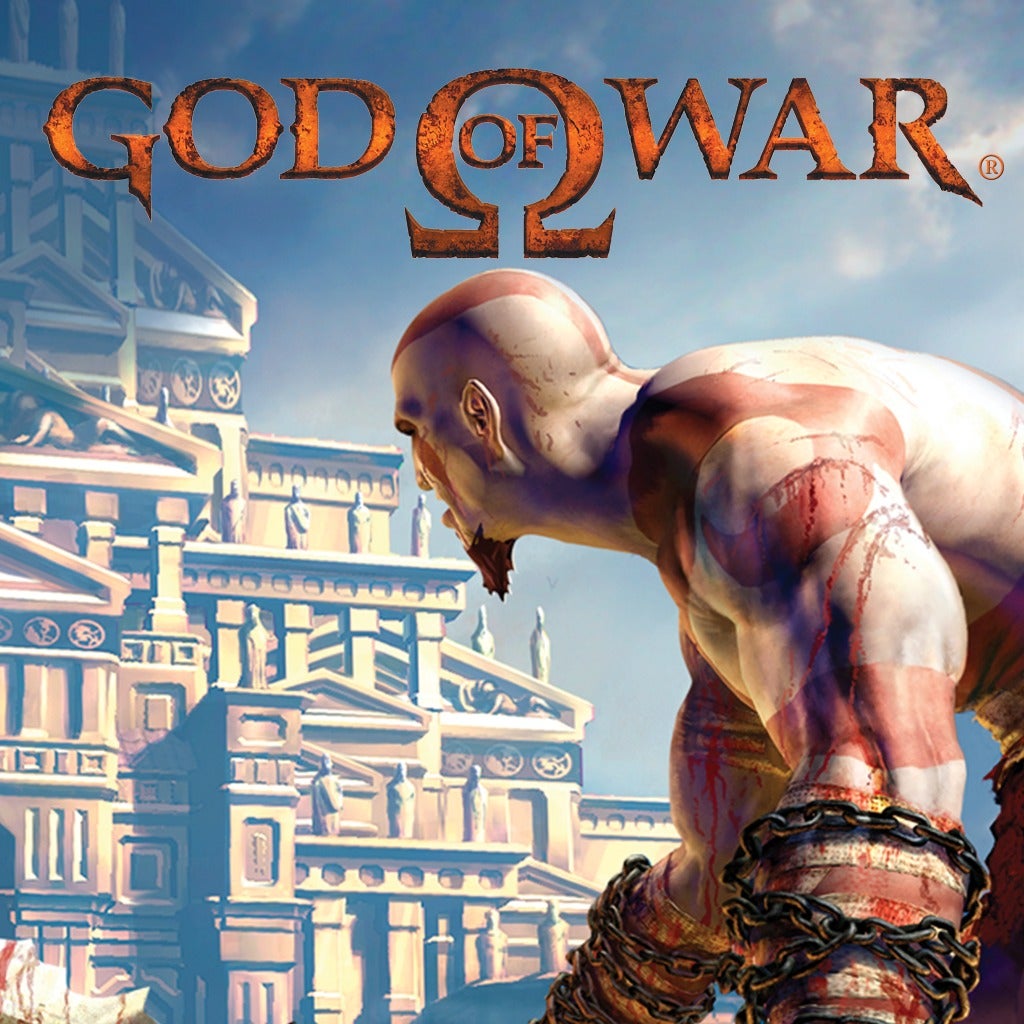
Initially launched for the PlayStation 2, the original God of War introduced players to the journey of Kratos, a Spartan warrior seeking vengeance against the gods of Olympus. Its unique blend of mythology and brutal gameplay captivated audiences, leading to multiple sequels, including God of War II, God of War III, and the PSP titles.
In 2018, the series underwent a significant transformation with the release of God of War (2018) for PlayStation 4. This installment shifted settings from Greek mythology to Norse mythology, introducing new characters like Atreus, Kratos’s son. The game was met with critical acclaim, praised for its emotional depth, complex characters, and refined combat mechanics. It even received Game of the Year honors from several awards organizations, solidifying its place in gaming history.
Recent Developments
The release of God of War Ragnarök in November 2022 further expanded on the series’ success. This sequel continued Kratos and Atreus’s journey, featuring enhanced graphics and gameplay mechanics, and received positive feedback from both critics and fans. The narrative’s exploration of fatherhood, loss, and mythological themes resonated deeply during a time when many players seek more profound connections in storytelling.
In addition to its gameplay, the franchise has spawned numerous merchandise, fan communities, and even discussions in academic circles about its narrative structure and character development. The impact of God of War extends beyond just gaming, influencing popular culture and how stories are told in interactive media.
Conclusion
As we look to the future, the significance of God of War is undeniable. With the potential for more sequels and spin-offs, the franchise is well-positioned to innovate and engage new players while maintaining its loyal fanbase. The evolution of God of War exemplifies how video games can be a powerful medium for storytelling, enhancing emotional engagement for players worldwide. For both fans and newcomers, God of War remains not just a game, but a legacy that continues to shape the landscape of interactive entertainment.