
Introduction
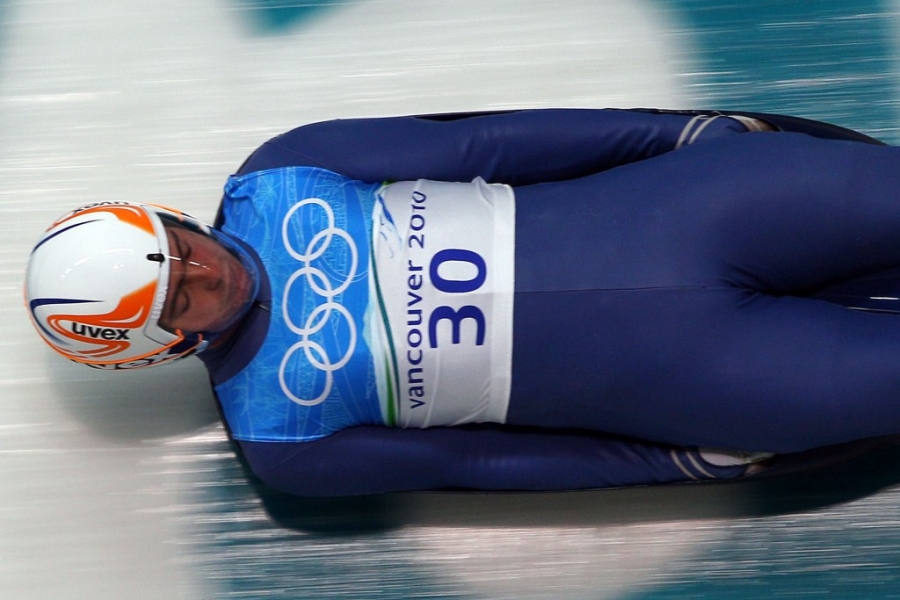
Nodar Kumaritashvili was a Georgian luger whose tragic death in 2010 cast a shadow over the Winter Olympics. Kumaritashvili’s story is not only one of talent and potential but also of the critical discussions surrounding athlete safety in extreme sports. His legacy continues to resonate within the sporting community and emphasizes the importance of rigorous safety measures in high-risk activities.
Events Leading to Tragedy
On February 12, 2010, during a training run for the Vancouver Winter Olympics, Kumaritashvili lost control of his sled at a high speed, tragically colliding with a steel pole. The incident raised immediate concerns over the safety protocols in place for Olympic athletes, particularly in sports like luge that are characterized by their high velocities and inherent risks. Following this heartbreaking event, the International Luge Federation (FIL) reacted by implementing several safety measures, including modifications to the Olympic luge track.
Impact on Sports Safety
Kumaritashvili’s death sparked widespread discussions about the need for increased safety standards in all Olympic sports, but particularly in those involving extreme speed or height. His family, along with other advocates, called for continuous evaluations of safety regulations to ensure that athletes can compete without unnecessary risks. As a direct response to this tragedy, changes at the subsequent Winter Olympics in Sochi in 2014 included improved track designs and more comprehensive safety measures for athletes, highlighting the importance of learning from past mistakes.
Legacy and Remembrance
In honor of Nodar Kumaritashvili, various memorials and tributes have been established, including the creation of a scholarship fund in his name that supports young athletes in Georgia. Numerous athletes and organizations have since committed to promoting safety in sports, further ensuring that Kumaritashvili’s legacy continues to inspire future generations. Every year, the luge community commemorates his spirit, reminding everyone of the vital balance between competition and athlete wellbeing.
Conclusion
The impact of Nodar Kumaritashvili’s tragic accident resonates beyond the realm of the Winter Olympics. It has become a catalyst for ongoing discussions related to athlete safety, ensuring that future generations can compete in conditions that prioritize their wellbeing. As the sporting community continues to reflect on his legacy, it is imperative to remember that the pursuit of excellence should never come at the expense of human life.