
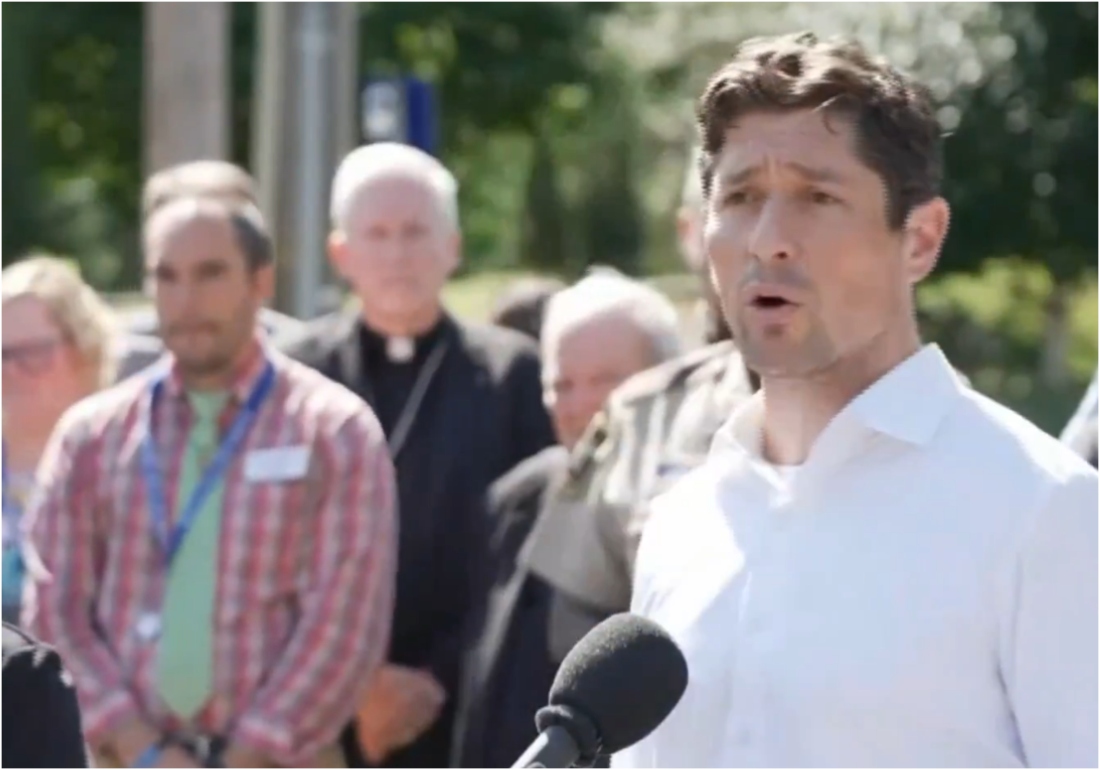
Introduction to Jacob Frey
Jacob Frey, the current mayor of Minneapolis, has made significant strides in shaping the city’s policies and responses to pressing issues. His leadership has been particularly relevant in the wake of both social justice movements and the challenges posed by the COVID-19 pandemic. Understanding Frey’s role and initiatives provides insight into the future trajectory of one of the largest cities in the United States.
Frey’s Early Career and Election
Before becoming mayor in January 2018, Jacob Frey was a city council member, elected in 2013. His career has been marked by a commitment to progressive values, focusing on issues such as affordable housing, police reform, and environmental sustainability. Frey’s election as mayor positioned him as a prominent figure during a pivotal time, especially following the death of George Floyd in May 2020, which spurred worldwide movements for racial justice.
Key Policies and Initiatives
During his tenure, Frey has advocated for various policies aimed at improving public safety and community health. In response to the social unrest and calls for police reform post-Floyd’s death, he proposed a charter amendment to dismantle the Minneapolis Police Department, which ultimately did not pass in the last election. However, Frey continues to support reforms aimed at increasing accountability and improving community relations.
Additionally, Frey has focused on the economic recovery of Minneapolis amid the ongoing ramifications of the pandemic. His initiatives include workforce development programs and support for local businesses, particularly those that were disproportionately affected by the unrest in 2020.
Community Engagement and Public Reception
Frey’s leadership style emphasizes community engagement, often holding town halls and public forums to incorporate citizen voices into city decisions. However, he has faced criticism from both activists who feel he has not gone far enough in implementing change, and from those who express concerns about public safety in the city.
Conclusion and Future Outlook
As Jacob Frey enters the next phase of his mayoral term, the significance of his leadership is underscored by his ability to navigate complex social and economic landscapes. The evolving discussions around public safety, police reform, and economic recovery highlight the challenges ahead as he seeks to balance various community needs. Frey’s approach and policy implementations may serve as a model for other cities grappling with similar issues, making his leadership a case study in urban governance as we move forward.