
Introduction
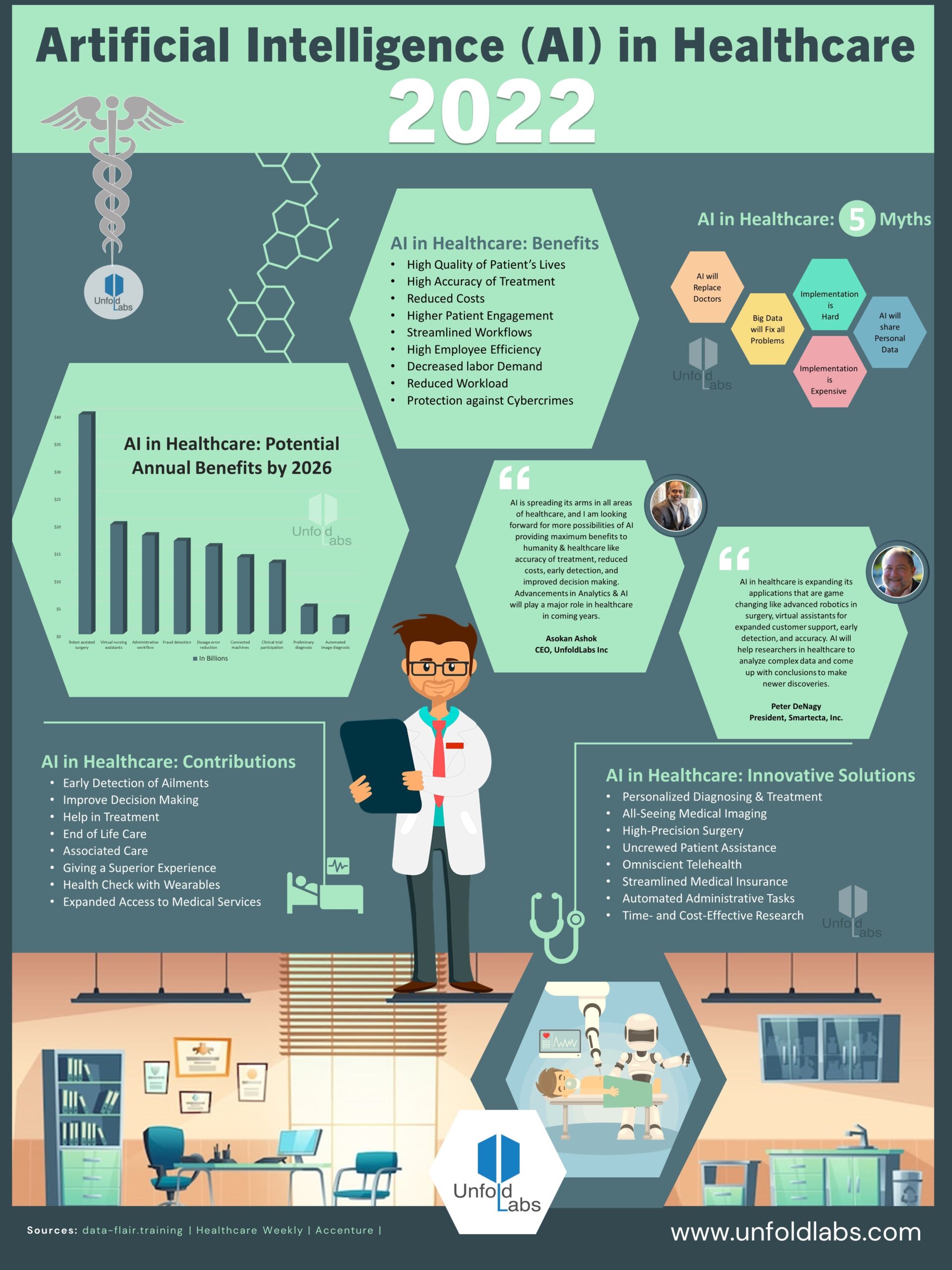
The integration of artificial intelligence (AI) in healthcare is reshaping the landscape of patient care, diagnostics, and treatment protocols. As technology continues to advance, healthcare facilities are increasingly utilizing AI tools to enhance efficiency, reduce costs, and improve patient outcomes. This article explores the latest developments in AI applications, their significance, and their implications for the healthcare industry.
Current AI Applications in Healthcare
AI technologies are being deployed across various domains within healthcare. One of the most prominent applications is in medical imaging. AI algorithms can analyze radiology images, such as X-rays and MRIs, with precision that rivals human radiologists. For instance, a recent study published in the journal ‘Nature’ highlighted how an AI tool developed by Google Health achieved a diagnostic performance that surpassed human experts in detecting breast cancer in mammograms.
Another significant use of AI is in predictive analytics, where machine learning models analyze patient data to forecast potential health risks. Hospitals are employing AI systems to predict patient readmission rates, allowing for proactive interventions that improve patient management and reduce healthcare costs. Additionally, AI-driven chatbots are increasingly being used for patient triage, answering questions, and providing responses in real time, thereby enhancing patient engagement and efficiency in healthcare services.
Challenges and Ethical Considerations
While the benefits of AI in healthcare are promising, the technology is not without its challenges. Concerns regarding data privacy and security remain paramount, as healthcare organizations must handle sensitive patient information. Moreover, the reliance on AI raises ethical questions about accountability in clinical decision-making. For example, if an AI system makes an inaccurate diagnosis, determining liability becomes complex.
Furthermore, there is a pressing need for transparency. Patients and healthcare professionals must trust the technology being utilized, which underscores the importance of clear communication regarding how AI systems operate and the data they use.
Conclusion and Future Outlook
The future of AI in healthcare looks bright, with continued advancements expected to enhance patient care. As the technology matures, its integration into telemedicine, personalized treatment plans based on genetic information, and operational efficiencies in healthcare administration will likely become more prevalent.
As we move towards a more data-driven approach to healthcare, stakeholders must address ethical considerations and ensure that AI technologies support, rather than replace, human expertise in clinical settings. The partnership between AI technologies and healthcare professionals presents opportunities to deliver better healthcare experiences and outcomes for patients across the globe.