
Introduction
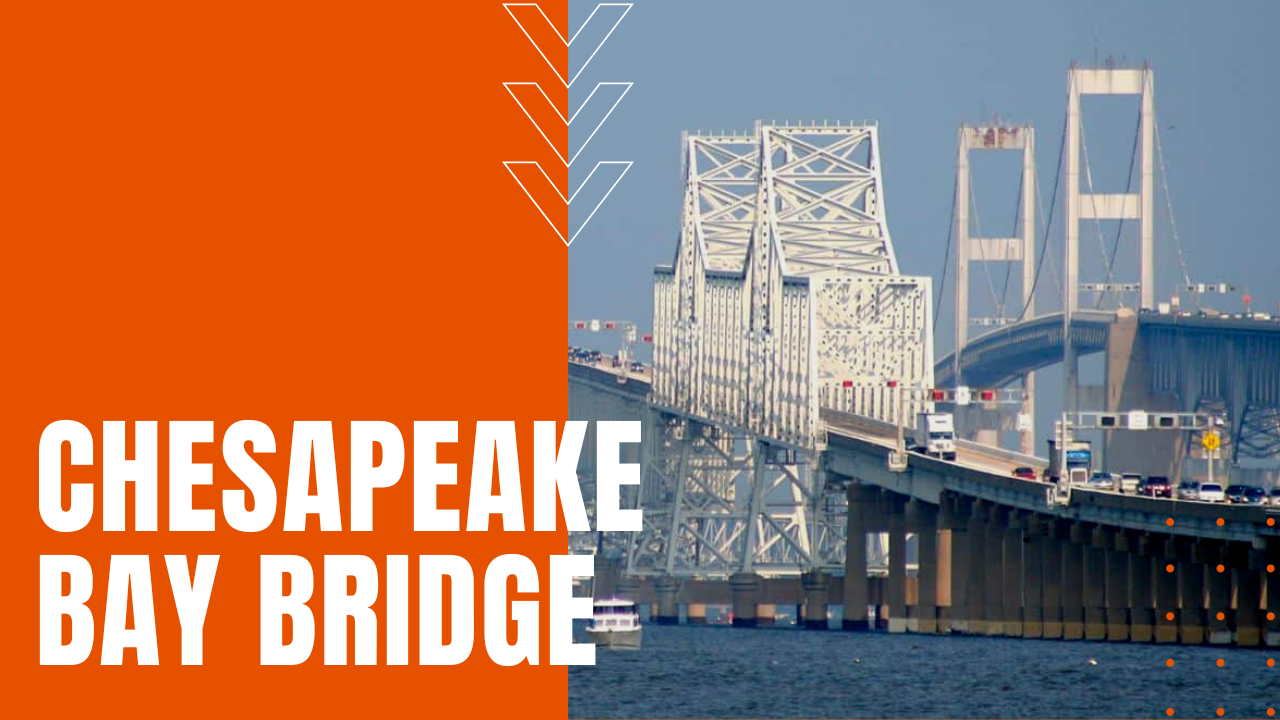
The Chesapeake Bay Bridge is an iconic structure that not only serves as a critical transportation link but also stands as a symbol of Maryland’s rich history and natural beauty. Spanning nearly 4.3 miles across the Chesapeake Bay, it connects the Eastern and Western Shores of Maryland, significantly impacting local economies and tourism.
History and Construction
Opened in 1952, the Chesapeake Bay Bridge was a groundbreaking engineering achievement of its time, created to ease congestion on ferries that previously connected the two shores. The project took over three years to complete, involving nearly 2,000 workers. Its architect, designer, and engineers were praised for overcoming various challenges, including adverse weather conditions and deep waters.
Current Events and Maintenance
Recently, in September 2023, the Maryland Transportation Authority announced new maintenance efforts aimed at ensuring the longevity of the bridge, which sees an average of 26 million vehicles annually. These efforts include regular inspections, repairs to the bridge deck, and upgrades to safety systems. Such initiatives are essential, given the bridge’s age and heavy use. In addition, there have been discussions around toll adjustments to fund these maintenance projects, sparking conversations in the local community.
Economic Impact
The Chesapeake Bay Bridge plays a crucial role in the economy of the region. It facilitates the movement of goods and services, supports local tourism by providing access to popular destinations such as Ocean City and the Eastern Shore, and connects communities. Local businesses, especially those in the hospitality and retail sectors, benefit greatly from the bridge’s traffic, making it a lifeline for many.
Conclusion
The Chesapeake Bay Bridge is more than just a structure; it is essential to the infrastructure, economy, and culture of Maryland. As maintenance efforts continue and the bridge adapts to the demands of modern transportation, it remains a vital link that ensures the connection of communities across the bay. Future developments and discussions about tolls will shape its role in local and regional economics, making it a significant area of interest for both residents and visitors.