
Introduction
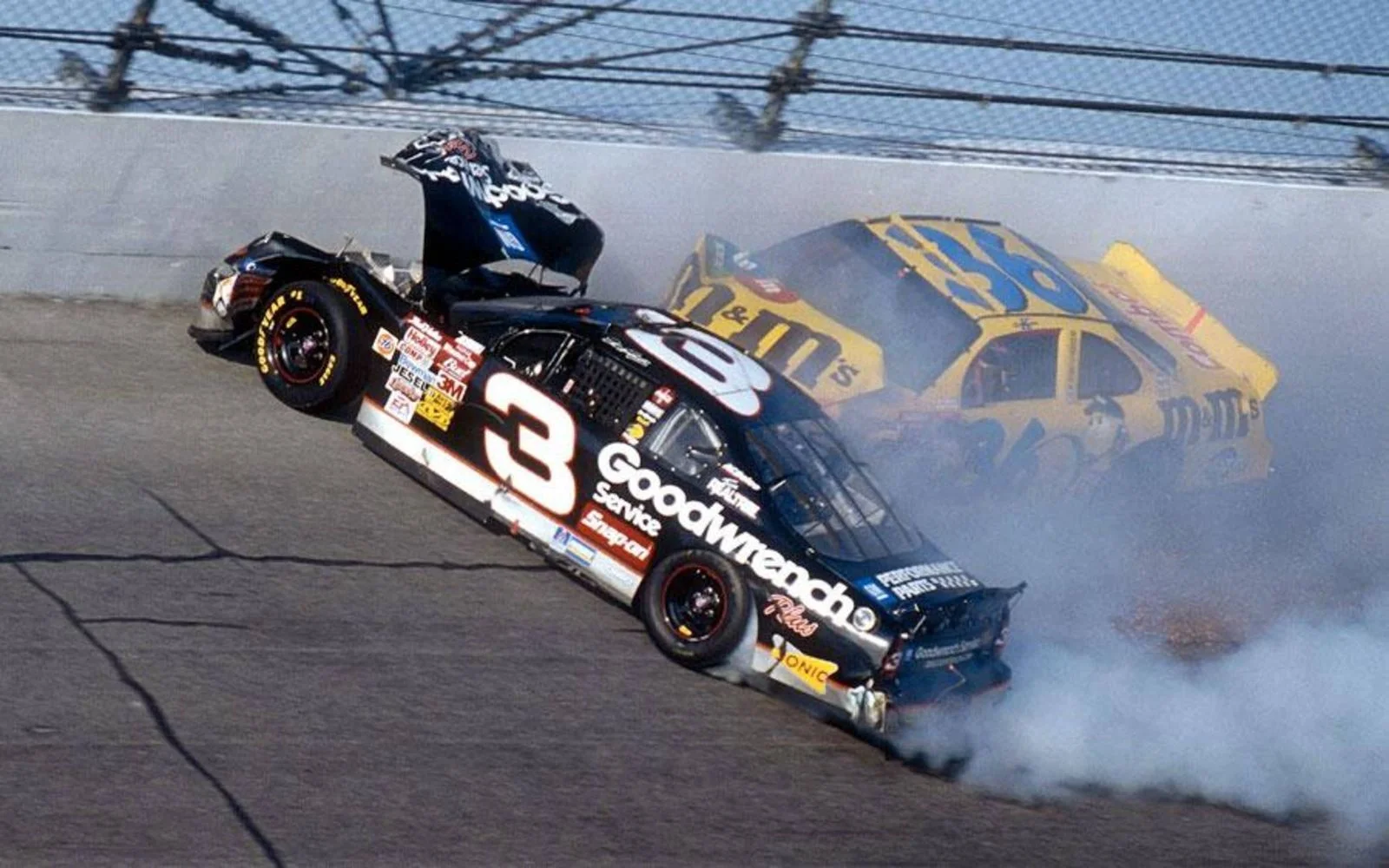
The crash that claimed the life of NASCAR legend Dale Earnhardt on February 18, 2001, during the final lap of the Daytona 500 remains one of the most significant and tragic events in motorsports. This accident not only affected fans and the racing community but also brought critical attention to safety measures within the sport. Understanding the events of that day and its aftermath is crucial for appreciating the evolution of NASCAR safety protocols.
The Incident
On that fateful day, Dale Earnhardt was leading the race when his car collided with the wall following a last-lap crash involving two other cars. The impact was severe, with Earnhardt’s Chevrolet sustaining substantial damage. He suffered a fatal head injury due to a basilar skull fracture—an injury that could have been mitigated with better safety standards in place at the time.
The aftermath of the crash prompted an immediate review and response from NASCAR officials. Key figures in the organization recognized that the safety equipment used by drivers needed significant upgrades. In the months following Earnhardt’s death, NASCAR introduced measures such as better seat belts, improved helmets, and the use of the HANS (Head and Neck Support) device, which is now standard equipment for all drivers.
Impact on NASCAR
The Earnhardt crash had a ripple effect throughout the entire motorsport industry, as it highlighted the risks involved in racing at high speeds. Following the incident, NASCAR made changes to its guidelines for racing vehicles, tracks, and driver conducts. The introduction of safer barriers known as SAFER barriers (Steel And Foam Energy Reduction) became critical in reducing the impact of collisions. Additionally, the implementation of more rigorous safety inspections and medical protocols for drivers opened the door to a new era of driver protection.
Conclusion
The Dale Earnhardt crash is a somber reminder of the inherent dangers of auto racing; however, it ultimately led to profound changes in regulations that have drastically improved driver safety since. By addressing the vulnerabilities exposed on that day, NASCAR has become a safer sport for drivers and fans alike. The legacy of Dale Earnhardt lives on, not only in the memories of his incredible talent and achievements but also in the ongoing commitment to safety in racing.