
Introduction to the Chinese Zodiac
The Chinese Zodiac, also known as Shengxiao, is an ancient astrological system that plays a vital role in Chinese culture and traditions. Comprising a 12-year cycle, each year is represented by an animal, which is believed to influence the personality and fortune of individuals born within that year. This cyclical understanding not only affects personal characteristics but also guides decision-making, relationships, and auspicious dates for significant life events.
The Twelve Animals of the Chinese Zodiac
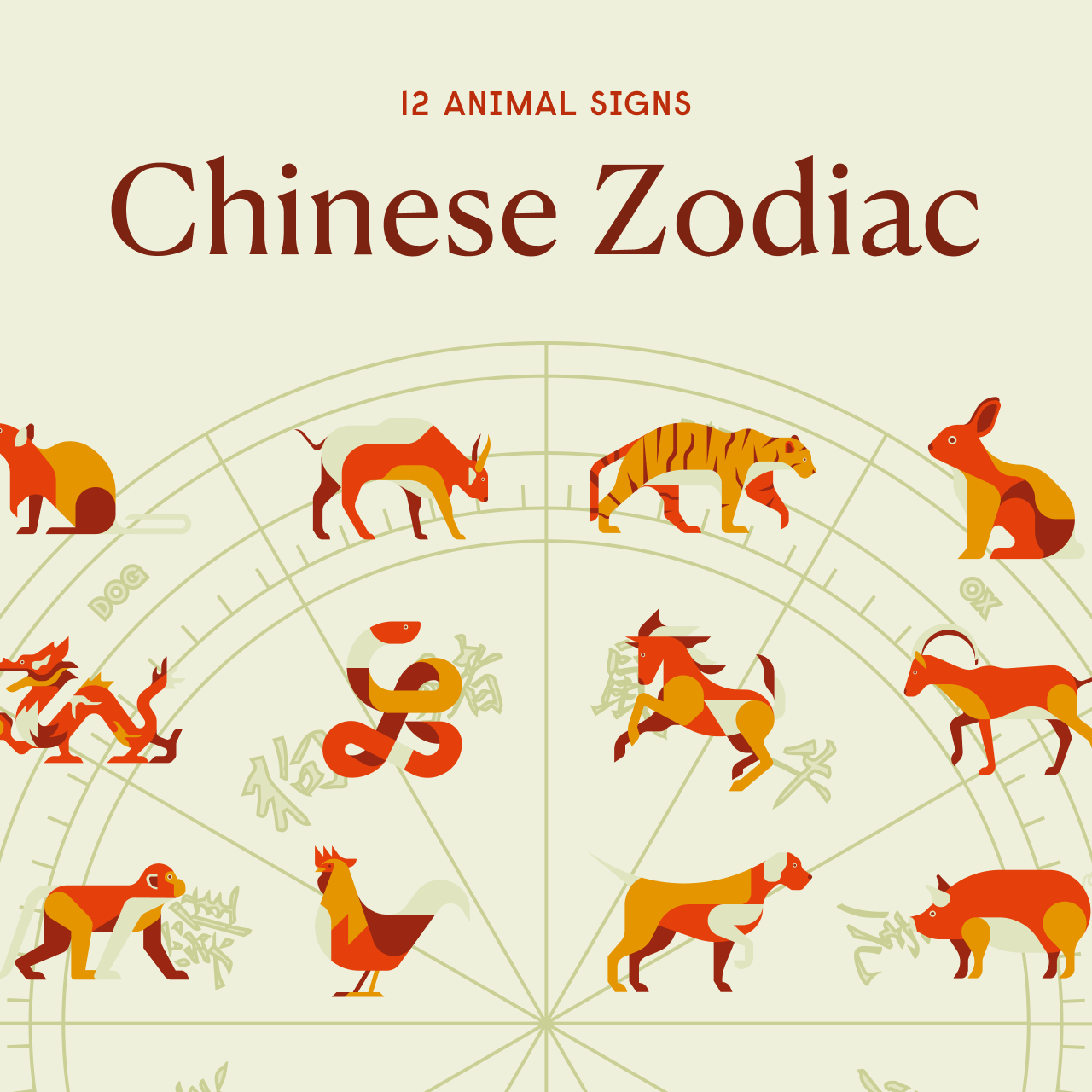
The Chinese Zodiac consists of twelve animals: Rat, Ox, Tiger, Rabbit, Dragon, Snake, Horse, Goat, Monkey, Rooster, Dog, and Pig. Each animal symbolizes various traits and characteristics. For example, those born in the Year of the Rat are often seen as intelligent and resourceful, whereas those born in the Year of the Tiger are thought to be brave and competitive. This belief system extends beyond individual personalities; it also influences various aspects of life including marriage compatibility, career choices, and even business decisions.
Recent Events Related to the Chinese Zodiac
The most recent turn of the Zodiac occurred on February 1, 2022, marking the beginning of the Year of the Tiger. China and many other countries with Chinese communities celebrate the Lunar New Year with vibrant festivals filled with traditional foods, lion dances, and fireworks. The Year of the Tiger has been interpreted by some as a time of courage and assertiveness, a time for people to take bold steps in life. Various cultural events have been hosted globally to recognize the significance of this period in the Chinese calendar.
Future Implications of the Chinese Zodiac
Looking ahead to January 22, 2023, when the Year of the Rabbit commences, cultural analysts suggest that this might usher in an era marked by peace, prosperity, and stability. Just as each Zodiac sign has its own lifestyle traits, the transition from Tiger to Rabbit may encourage a shift in societal focus toward diplomacy and caution rather than aggression. Individuals may find themselves reflecting on their goals and personal aspirations as they adapt to the traits associated with the upcoming year.
Conclusion
The Chinese Zodiac remains a powerful cultural and astrological tool that continues to shape personal identities and communal traditions. Its relevance spans generations, influencing various aspects of modern life while serving as a symbol of cultural heritage. As the new year approaches, individuals interested in astrology may benefit from embracing the lessons and attributes associated with their Zodiac animals, fostering a greater understanding of themselves and their interactions in the world around them.