
Introduction
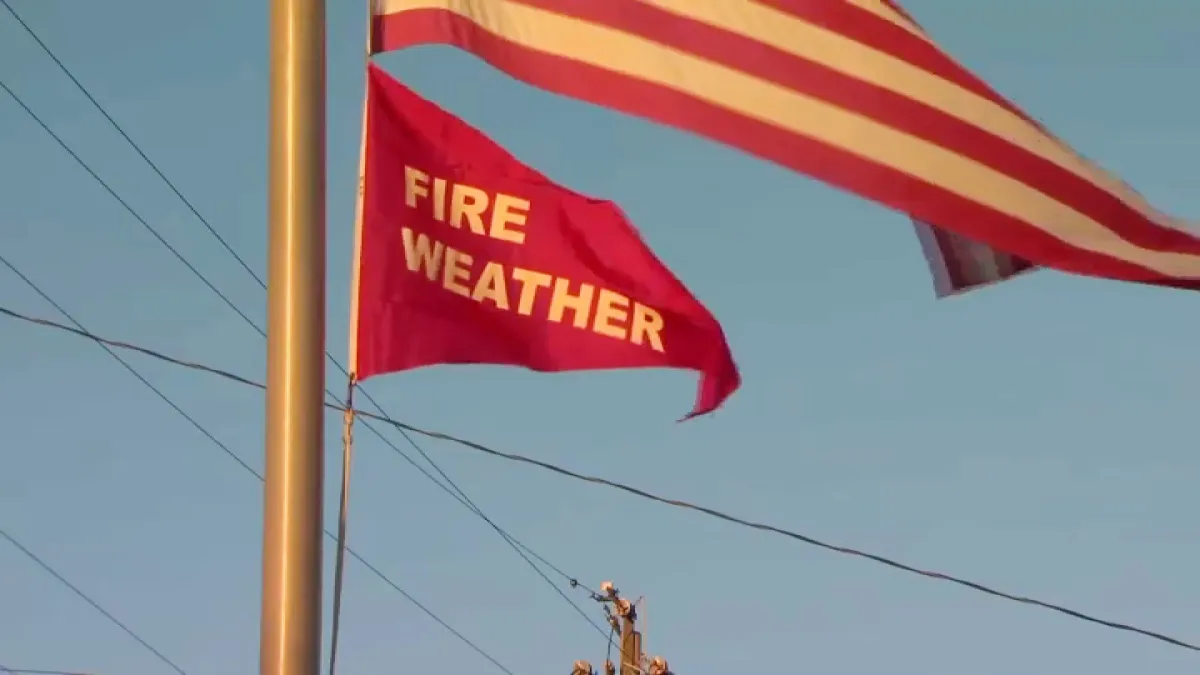
As wildfires become an increasingly prominent threat, understanding fire weather watches is crucial for public safety. A fire weather watch is issued by meteorological agencies when conditions are ripe for the rapid spread of wildfires. This includes factors like high temperatures, low humidity, and strong winds. With the ongoing effects of climate change and recent catastrophic fire seasons across the United States, knowing what a fire weather watch entails can help individuals and communities prepare and respond appropriately.
What Triggers a Fire Weather Watch?
Fire weather watches are typically issued when there is a forecast of weather conditions that could lead to the ignition and rapid spread of fires. The National Weather Service (NWS) outlines specific criteria for these watches, which may include:
- Relative humidity levels below 25%
- Wind speeds exceeding 15 mph
- Temperature highs, often exceeding 85°F (29°C)
- Dry lightning storms
These conditions can exacerbate dry conditions and make it easier for fires to ignite and spread uncontrollably. For example, extreme weather events that have occurred in the past few years have demonstrated how quickly a small fire can escalate into a large-scale disaster.
Recent Developments
This fall, several regions across the western United States, particularly California and Oregon, have been under fire weather watches as extreme heat waves continue to affect humidity levels and wind patterns. The National Interagency Fire Center reported that, so far in 2023, over 6 million acres have been scorched by wildfires nationwide, which is substantially higher than the same time last year.
The Department of Agriculture has taken proactive measures, allocating additional funding towards state and local firefighting efforts, emphasizing prevention and management strategies. Resources such as firebreaks and controlled burns are critical for reducing fire risks during periods of heightened weather warnings.
Conclusion
For residents living in fire-prone areas, remaining vigilant during fire weather watches is essential. Community members are encouraged to create emergency plans, maintain defensible space around their homes, and stay informed about local conditions. With the growing frequency of fire weather watches along with their implications for public safety, understanding and preparing for these critical alerts are vital to mitigating risk. Drawing lessons from recent wildfire seasons demonstrates that preparedness and awareness can save lives and property.