
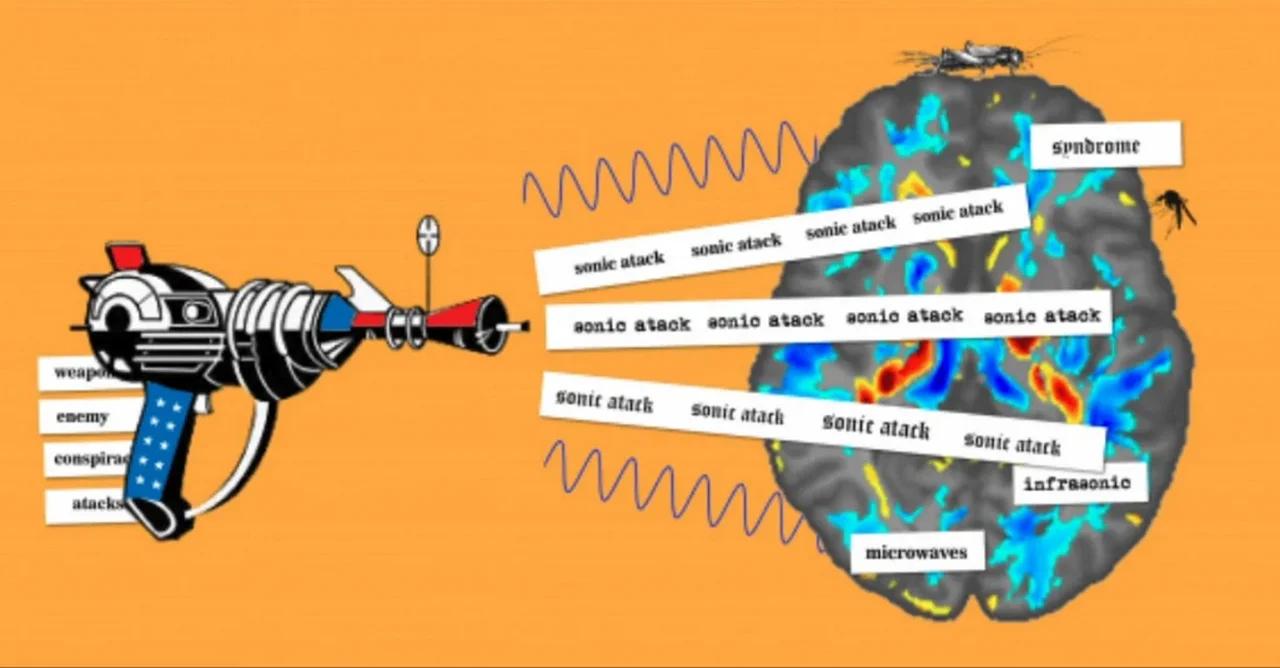
Introduction: The Significance of Havana Syndrome
Havana Syndrome refers to a series of unexplained health incidents that began in late 2016, primarily affecting U.S. diplomats and intelligence officers in Cuba. These incidents have prompted significant concern and investigations from the U.S. government and medical experts. The implications of these events extend beyond just the health of those affected, raising questions about foreign adversarial actions and public health policies.
What is Havana Syndrome?
In 2016, U.S. diplomats in Havana reported hearing strange noises followed by sudden headaches, dizziness, and cognitive difficulties. Over the years, reports have emerged from various countries, with symptoms mimicking traumatic brain injuries. The term ‘Havana Syndrome’ was coined after these initial reports, leading to a wave of inquiries into the potential causes, which range from sonic attacks to exposure to pesticides.
Recent Developments
A recent government report from 2023 indicated that additional cases of Havana Syndrome have been identified among personnel in different locations, including Russia and China. This suggests a potential pattern, with investigators exploring avenues such as directed microwave energy or even chemical agents as possible explanations. The U.S. has reportedly intensified its investigations, while also treating the symptoms of those affected through special medical programs.
Responses from Experts
Medical experts remain divided on the cause of Havana Syndrome. Some suggest that the unique combination of symptoms reflects a new kind of health crisis possibly linked to advanced technologies, whereas others argue that psychological factors could play a significant role. A thorough and extensive understanding remains elusive, which is troubling for those both affected and involved in protective duties.
Conclusion: Implications for the Future
The ongoing investigation into Havana Syndrome underscores the importance of safeguarding the health and security of U.S. personnel abroad. The potential for foreign adversaries employing covert technological methods poses a factual threat that the United States must address. Continued research and collaboration between government bodies and scientific communities are crucial to uncover the full ramifications of Havana Syndrome and to ensure the health and safety of diplomats and officials worldwide. Vigilance and a methodical approach may be key to understanding and mitigating this medical mystery.