
Introduction
Dennis Rodman, a name synonymous with basketball’s golden era and the eccentricities of celebrity culture, remains a significant figure in sports history. His unique style, both on and off the court, has not only made him an unforgettable athlete but also a polarizing figure in popular culture. As basketball fans and historians reflect on his legacy, understanding Rodman’s impact on the game and his unusual journey into the world of diplomacy and celebrity adds depth to his story.
A Basketball Career Like No Other
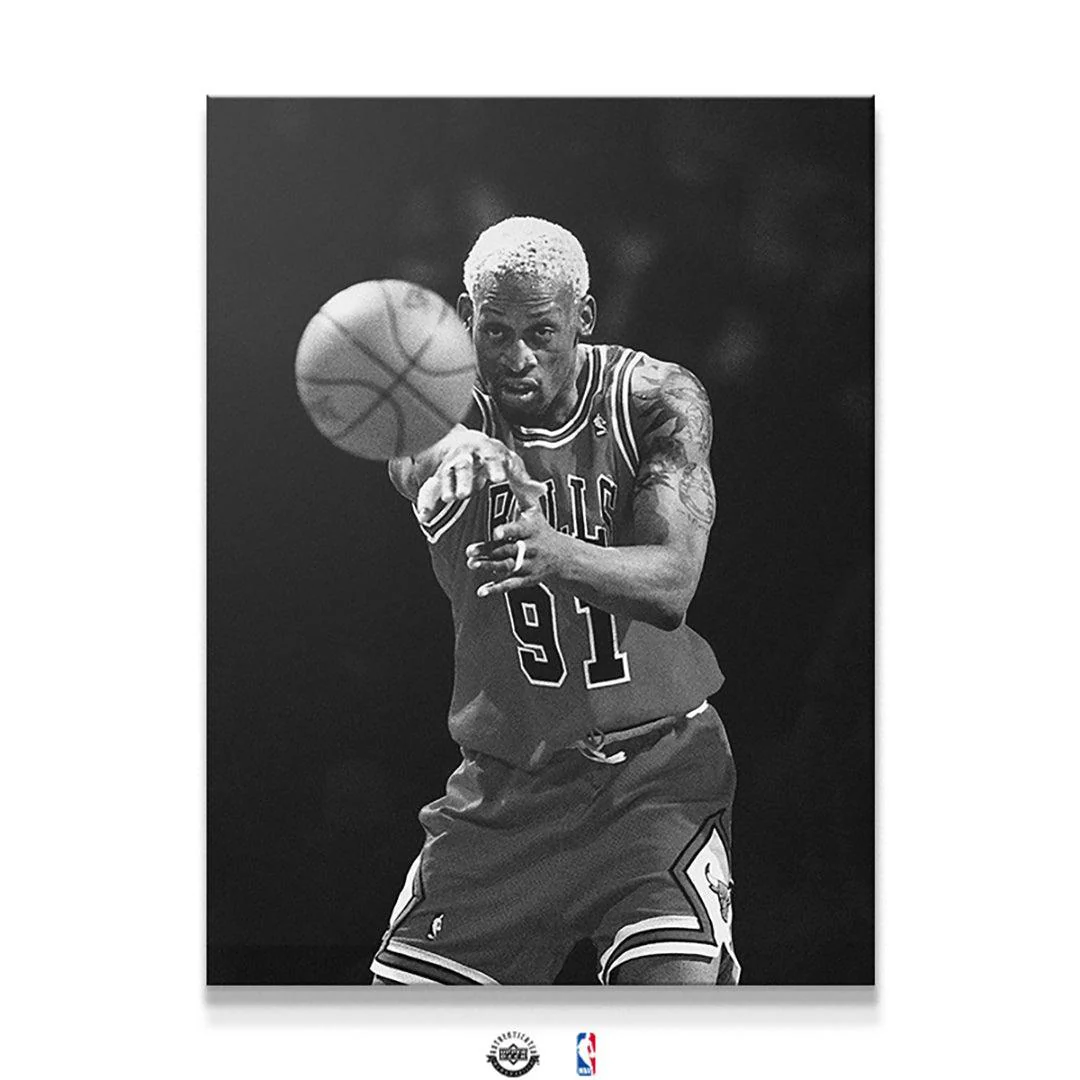
Born on May 13, 1961, in Trenton, New Jersey, Dennis Rodman rose to fame as a fierce rebounder and defensive specialist. After playing college basketball at Southeastern Oklahoma State University, he was drafted by the Detroit Pistons in 1986. Rodman’s tenacity on the court helped earn the Pistons two back-to-back NBA championships in 1989 and 1990. However, it was his time with the Chicago Bulls, alongside Michael Jordan and Scottie Pippen, that cemented his status as a legend. Winning three consecutive championships from 1996 to 1998, Rodman was renowned for his unmatched rebounding prowess and colorful personality.
The Eccentric Celebrity
Rodman’s off-court antics often garnered more media attention than his athletic achievements. Known for his striking tattoos, piercings, and ever-changing hair colors, he became a symbol of the 90s pop culture phenomenon. His friendship with North Korean leader Kim Jong-un has drawn both intrigue and criticism, leading to several trips to North Korea that merged sports diplomacy with international politics. As a result, Rodman has often been described as a bridge between cultures, albeit a controversial one.
Controversies and Challenges
Despite his accomplishments, Rodman’s career was not without its challenges. He faced various personal issues, including mental health struggles and battles with addiction. His unpredictable behavior led to numerous suspensions from the NBA and strained relationships with teammates and coaches. Nonetheless, Rodman’s vulnerability and authenticity have resonated with many, encouraging open discussions about mental health in sports.
Conclusion
As fans and analysts alike reflect on Dennis Rodman’s legacy, it becomes clear that he is much more than just a basketball player; he is a cultural icon who embodies the complexities of fame and individuality. His life story intertwines themes of triumph and turmoil, captivating the hearts of many. Looking forward, Rodman’s influence on basketball and pop culture will continue to be felt, reminding us that the world of sports is not just about the game but also the stories and personalities that shape it.