
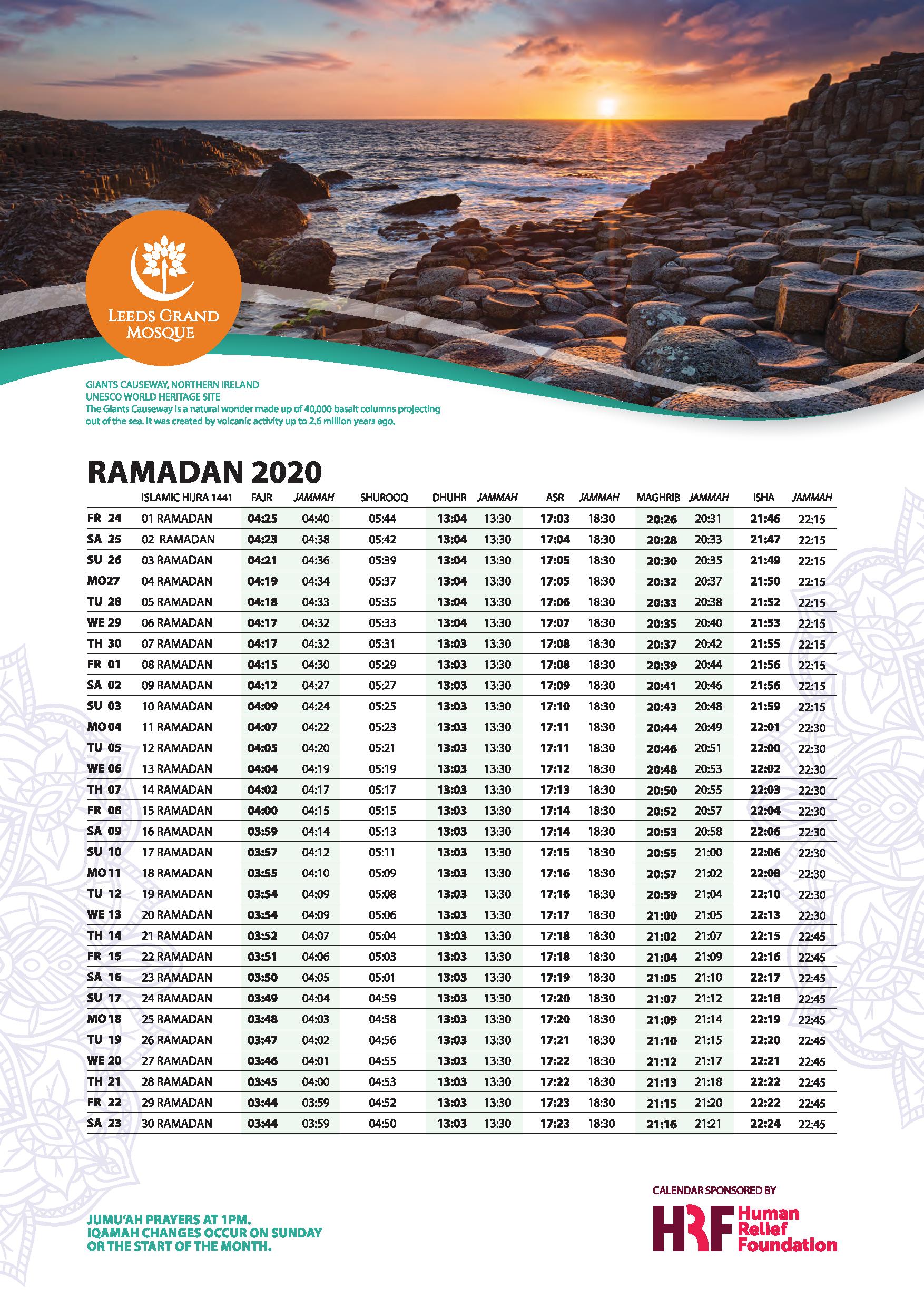
Introduction to Ramadan
Ramadan is the ninth month of the Islamic lunar calendar, observed by millions of Muslims around the globe as a sacred time of fasting, prayer, reflection, and community. The month holds immense significance, marking a period of spiritual growth and devotion. As one of the Five Pillars of Islam, fasting during Ramadan serves to purify the soul, teach self-discipline, and remind practitioners of the needs of the less fortunate. With over a billion Muslims participating in the observance annually, understanding Ramadan is increasingly relevant in today’s multicultural society.
What Happens During Ramadan?
During Ramadan, Muslims fast from dawn until sunset, refraining from food, drink, smoking, and sinful behavior. The fast, known as ‘Sawm’, is broken each day with a meal called ‘Iftar’, typically starting with dates and water, often followed by a variety of dishes from different cultures. Each evening, families and communities come together to share their Iftar meals, reinforcing social bonds and a sense of belonging.
In addition to fasting, the month emphasizes increased prayer and Quran recitation. Many Muslims aim to complete the Quran at least once during Ramadan, engaging in nightly prayers known as ‘Taraweeh’. Community support and charity, called ‘Zakat’, are also prominent, as Muslims strive to give to those in need both during and after this month.
Current Observations and Impacts
This year, Ramadan began on March 23rd and is expected to conclude around April 21st, depending on lunar sightings. For many, it has been a particularly poignant time, as communities around the world navigate the increasing challenges of the post-pandemic environment. Despite physical restrictions in some areas, many have adapted by embracing virtual Iftar gatherings and online religious discussions to maintain their connections.
Conclusion: The Significance of Ramadan
As Ramadan progresses, non-Muslim communities are encouraged to engage and learn about this vital month. The values of self-restraint, transparency, gratitude, and giving are universal that resonate with individuals irrespective of their backgrounds. As we approach the end of Ramadan, the insights gained during this holy time can foster mutual respect and understanding in our diverse world.